Dáil committee hears 12 Irish people have had assisted deaths with Dignitas in 20 years
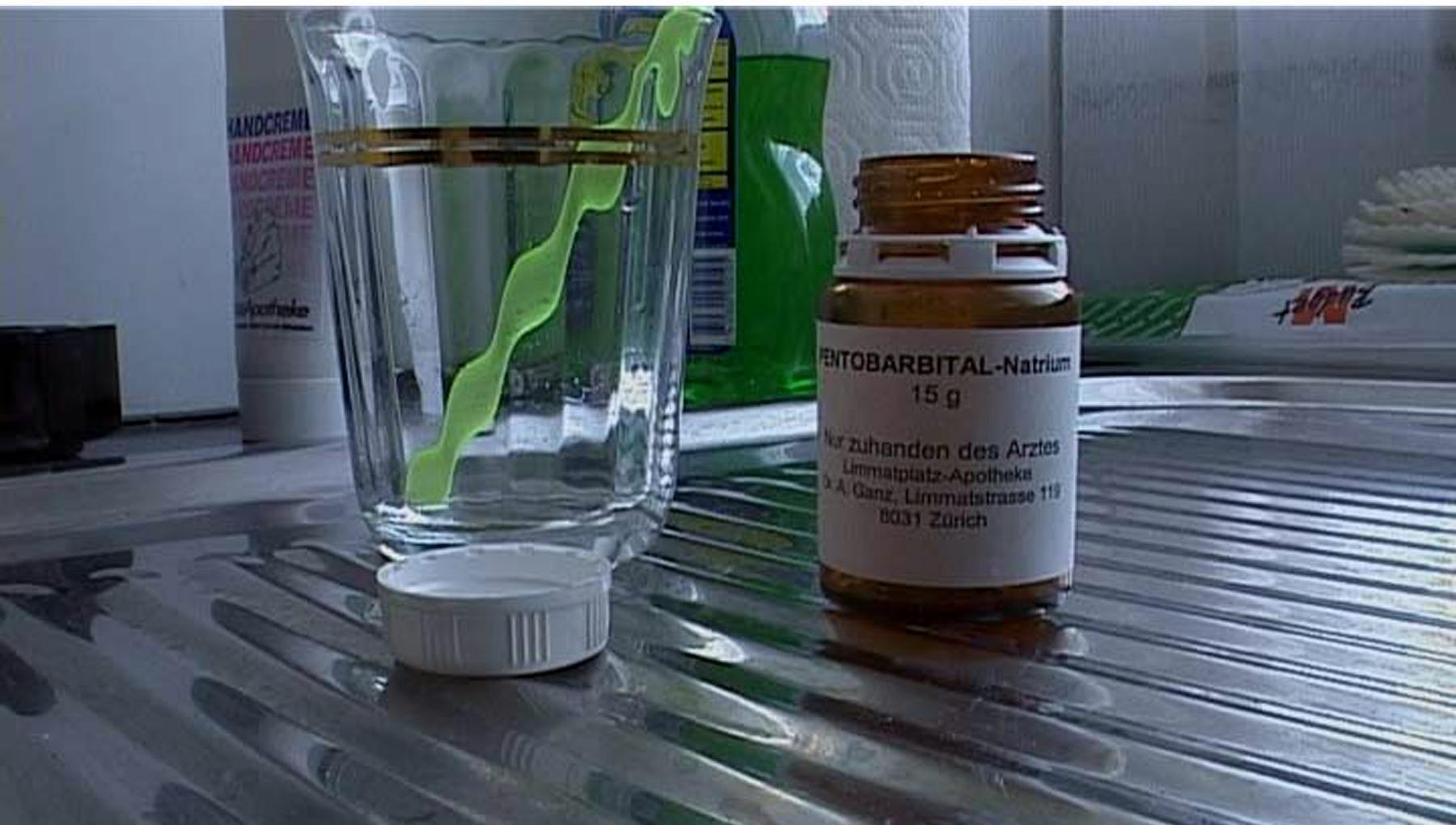
Almost 100 Irish people have become members of Dignitas which provides physician-supported accompanied suicide — almost double the rate it was two years ago. File picture
Twelve Irish people have travelled to Switzerland to die with Dignitas since 2003, a Dáil committee has been told.
And nearly 100 Irish people have become members of the Swiss non-profit group which provides physician-supported accompanied suicide — almost double the rate it was two years ago.
Silvan Luley, a lawyer and a board member of Dignitas, told the Oireachtas joint committee on assisted dying on Tuesday that in 2020, when 465 people died in Ireland by suicide, one Irish resident travelled to Dignitas to choose legal, professionally conducted physician-supported accompanied suicide, or voluntary assisted dying.
Assistance in suicide has been legal in Switzerland under certain circumstances since 1942.
Mr Luley said: “A first Irish person did so back in 2003. These realities are undesirable. They happen, shadowed by taboo, and fear of conflict with current Irish law. And with negative consequences for everyone touched, especially loved ones.
“This should be changed.
Mr Luley said 57 Irish people were signed-up members of Dignitas in 2020, but that number rose to 80 by the end of last year, and it is now close to 100 Irish members.
He described membership as a kind of insurance policy, and he said more Irish people want Ireland to follow the example of Switzerland and other countries which have legalised voluntary assisted dying.
“It’s not about making use of this option right away but having an emergency exit door which provides emotional relief and can prevent people from using rough violent DIY methods,” he said.
“They should have what everyone deserves: a legal way to exercise the human right of freedom of choice on all options of professional care to soothe suffering and end life, at their home as it has been confirmed by the European Court of Human Rights in 2011.”
However, Theo Boer, Professor of Healthcare Ethics at the Protestant Theological University in Groningen, the Netherlands, told the committee that the number of people availing of assisted dying in his country has quadrupled in the last 20 years and the numbers are accelerating, with 97 out of 100 assisted deaths in his country the consequence of euthanasia.
He was a member of a euthanasia review committee which examined 4,000 cases of assisted dying, either euthanasia or assisted suicide, on behalf of the Dutch Government between 2005 to 2014, and he said he has switched from being moderately supportive of the Dutch euthanasia law to being increasingly critical.
“First, after years of relative stability and increasing transparency in the early 2000s, the numbers are now rising significantly year after year," he said. “In some neighbourhoods assisted deaths account for 15% to 20% of all deaths.”
The national average is at 5.2% and in some predominantly rural areas the percentage is well under 2%, but he said the figures are rising here too.
He also said there has been an expansion of the pathologies, or the reasons, underlying a request to die — from patients who dread to spend their last days or weeks in pain and agony — the category of patients that once was the most important reason for assisted dying advocacy, to a shift to patients who fear years or decades of loneliness, alienation, and care dependency.
He also told the committee that governmental regulations are now in place to allow parents to request euthanasia for their children, aged 0 to 11.
He said:
"The legalisation of euthanasia has done much more than just providing some people the liberty to take a way out,” he said. “It turned the whole landscape of dying, including our view of illness, suffering, ageing, and care-dependence upside down.
“Ageing and dying increasingly become a life project, a task to be managed. In the slipstream of legal euthanasia, the percentage of people dying through terminal sedation has skyrocketed in past 20 years to 25% of all deaths last year — where most other developed countries would come no higher than 2%.”
The committee hearing is continuing.