Department of Social Protection spends €5.5m on interpretation costs in 19 months
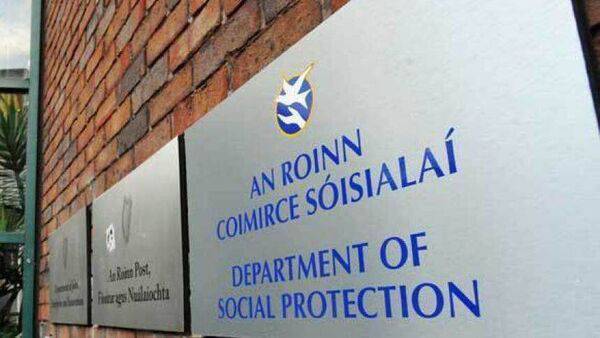
Guidelines for welfare staff said they should try to ensure they had a “quiet, private setting” and that notes of the conversation should be taken. File photo
The Department of Social Protection has run up a bill of more than €5.5m on interpretation costs in little over a year and a half.
Costs for 2022 were just over €3.2m but the final tab for this year looks likely to exceed that and was already €2.32m by the end of July.
The department said they had provided translation services in 38 different languages over the phone this year including Eastern Farsi, Urdu, and Mandarin Chinese. Services were also provided in languages from closer to home including through French, Spanish, German, as well as through Irish.
For 2023, the 10 most requested languages for phone discussions or video calls was topped by Ukrainian, reflecting the number of refugees forced to flee their homes following the invasion by Russia. Other languages in the 10 most requested were Romanian, Polish, Arabic, Lithuanian, and Russian.
For in-person meetings, interpretation was most likely to be provided in those same languages, with Ukrainian, Polish, and Romanian again making up the top three.
Guidelines for welfare staff said there were three main scenarios when the services of an interpreter should be considered.
These were where a person had basic English but said they would like a translator, where it was clear a person needed interpretation, or for people with a lower level of English and there was the possibility of confusion or misunderstanding.
It said telephone translation was generally available “on the spot” unless it involved an “unusual language”. For in-person meetings requiring an interpreter, staff were told that this would require arrangement of an appointment.
It said welfare officers should try to ensure they had a “quiet, private setting” and that notes of the conversation should be taken.
The guidelines said: “Look directly at the customer and speak directly to him or her and not the interpreter. Speak clearly and slowly, using simple clear sentences.” It also cautioned against the use of jargon or initials for payments like the SWA, or supplementary welfare allowance.
“To ensure that [the] customer understands the position and next steps in the process … it may be useful to ask [them] to summarise his or her understanding, in their own words, before ending the engagement,” said the guidelines.
A spokesman for the Department of Social Protection said translation and interpretation services played a key role in the provision of their services.
He said: “These services are provided free of charge to customers and are demand-led — customers can request them, and staff members can also request these services where they identify a need.”
The spokesman said services included Irish sign language, the availability of material for people with visual impairments, a translation service, as well as language interpretation whether in-person, by phone, or over web video.
CONNECT WITH US TODAY



Be the first to know the latest news and updates