First osprey chicks released into wild after over a century of extinction
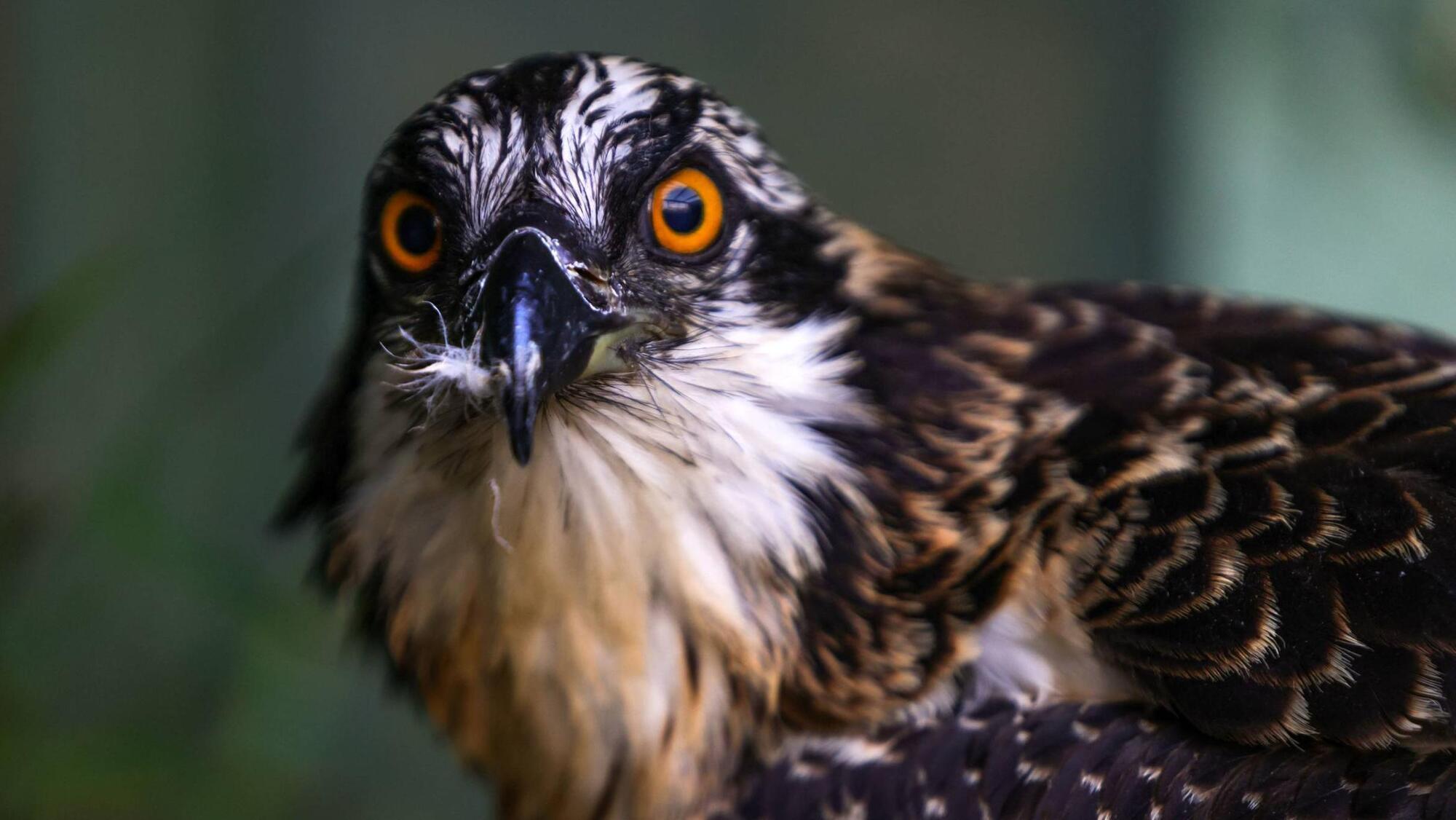
One of the first osprey chicks to be released into the wild by the National Parks and Wildlife Service at the weekend as part of its five-year reintroduction programme. Picture: Valerie O'Sullivan/NPWS
The first osprey chicks have been released into the wild after being extinct from the country for more than a century and a half.
It follows a momentous first sighting of naturally-established breeding ospreys discovered last week at a nesting site in the North.
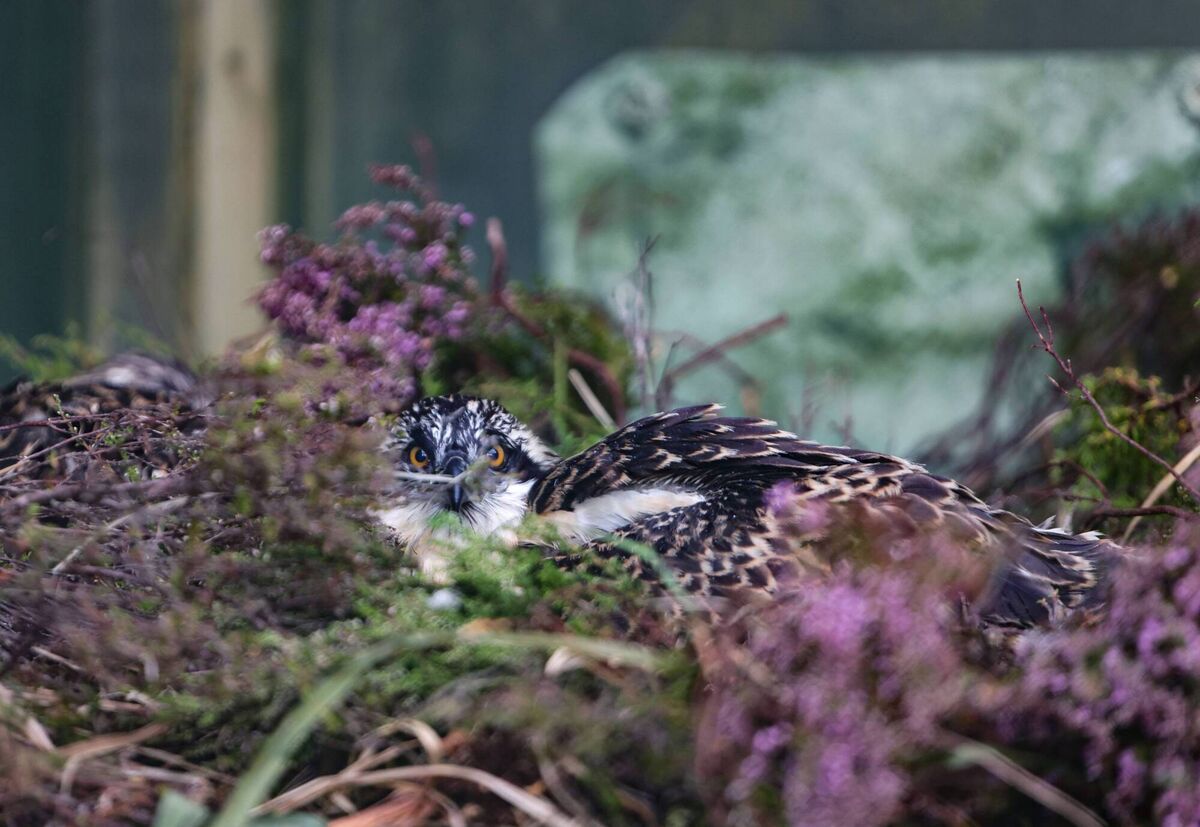
As part of a milestone programme aimed at reintroducing the birds of prey to Ireland, the first batch of osprey chicks were released through a new National Parks and Wildlife Service (NPWS) reintroduction programme.
Over the next five years, 50 chicks are to be brought in with the aim of establishing a population of the bird eventually breeding here so that it becomes a free-ranging population in the wild.
This milestone moment is particularly exciting given the news of a breeding pair in the North according to Minister of State for Heritage, Malcolm Noonan.
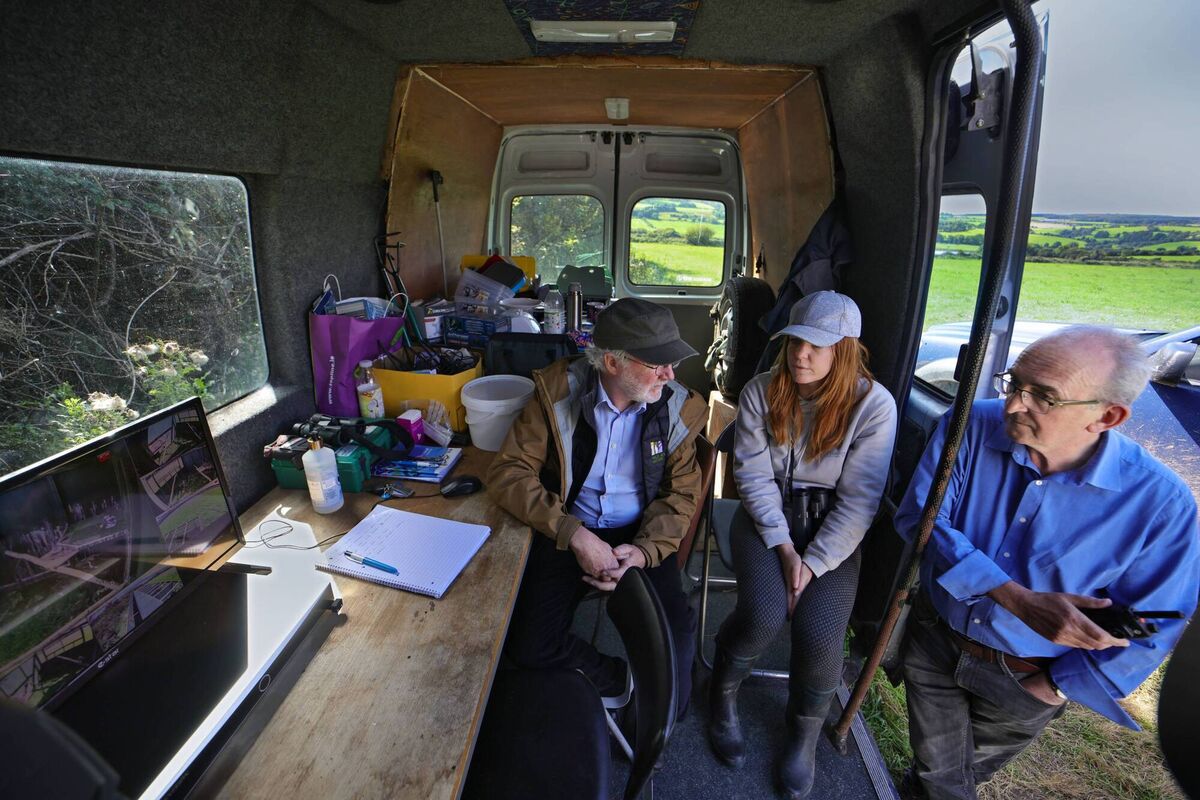
“It is a positive sign of the quality of the habitats on this island and gives us reason for great hope that these chicks will eventually breed here too and reminds us that biodiversity action can — and does — yield positive returns,” Mr Noonan added.
Ospreys are fish-eating birds of prey that need habitats close to rivers, lakes, or coastal areas which ensure a sufficient supply of fish. They are known to be monogamous and faithful to both their mate and their nest.
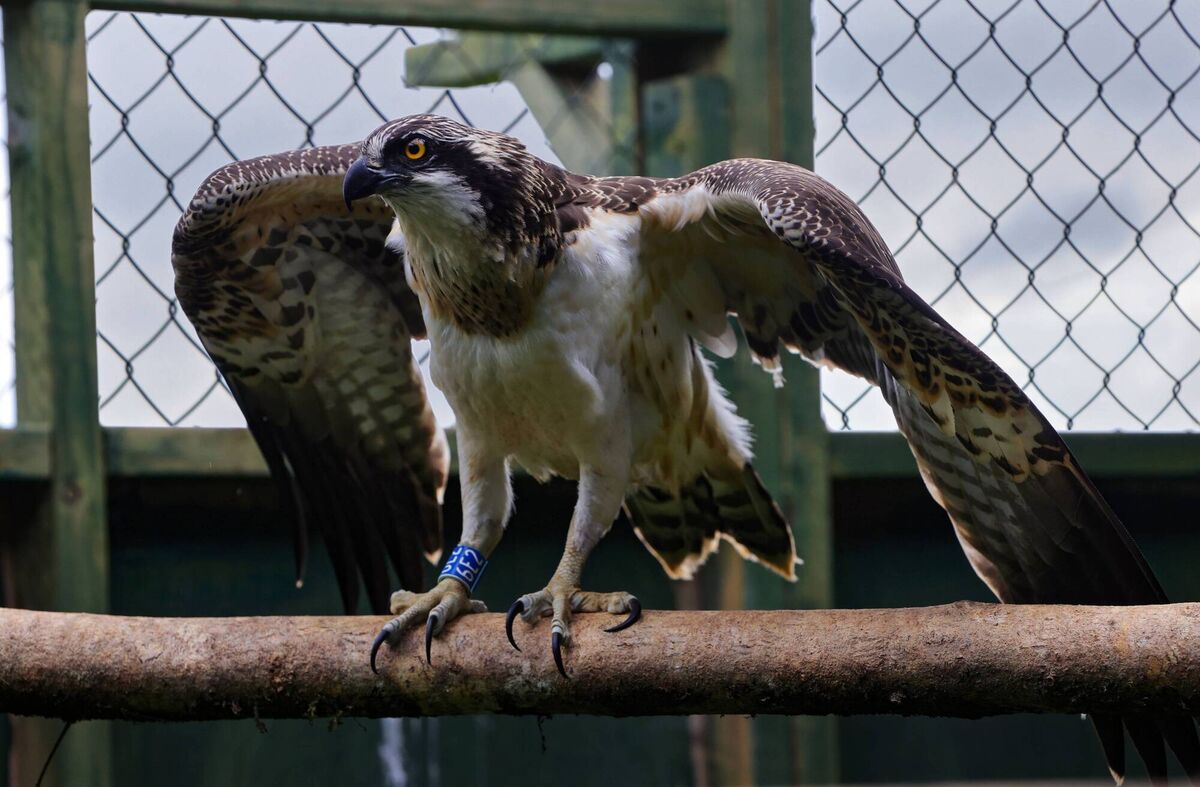
They are thought to have become extinct as breeding birds in Ireland more than 150 years ago but have continued to visit the island as part of their migratory pattern.
The NPWS has developed considerable knowledge over the last 16 years about the reintroduction of extinct species, including its white-tailed eagle programme. Through this programme, the NPWS has reintroduced 170 white-tailed eagles to Ireland, some of which are now fledging chicks.
Similar to the white-tailed eagle reintroduction programme, the osprey chicks are brought from Norway, and cared for at a secure location until they are ready to be released.
All of the chicks are satellite-tagged, so that NPWS staff can monitor their safety at this early stage, and their future migratory pattern.
Philip Buckley, who heads up the re-introduction programme, said it drew on the experience of countries that reintroduced the osprey. "Identifying a suitable habitat which the birds will return to each year is key, and I would like to thank the farming community in the south east for their engagement and co-operation.”
CONNECT WITH US TODAY



Be the first to know the latest news and updates