Southeast records biggest spike in house prices as pace of rise slows
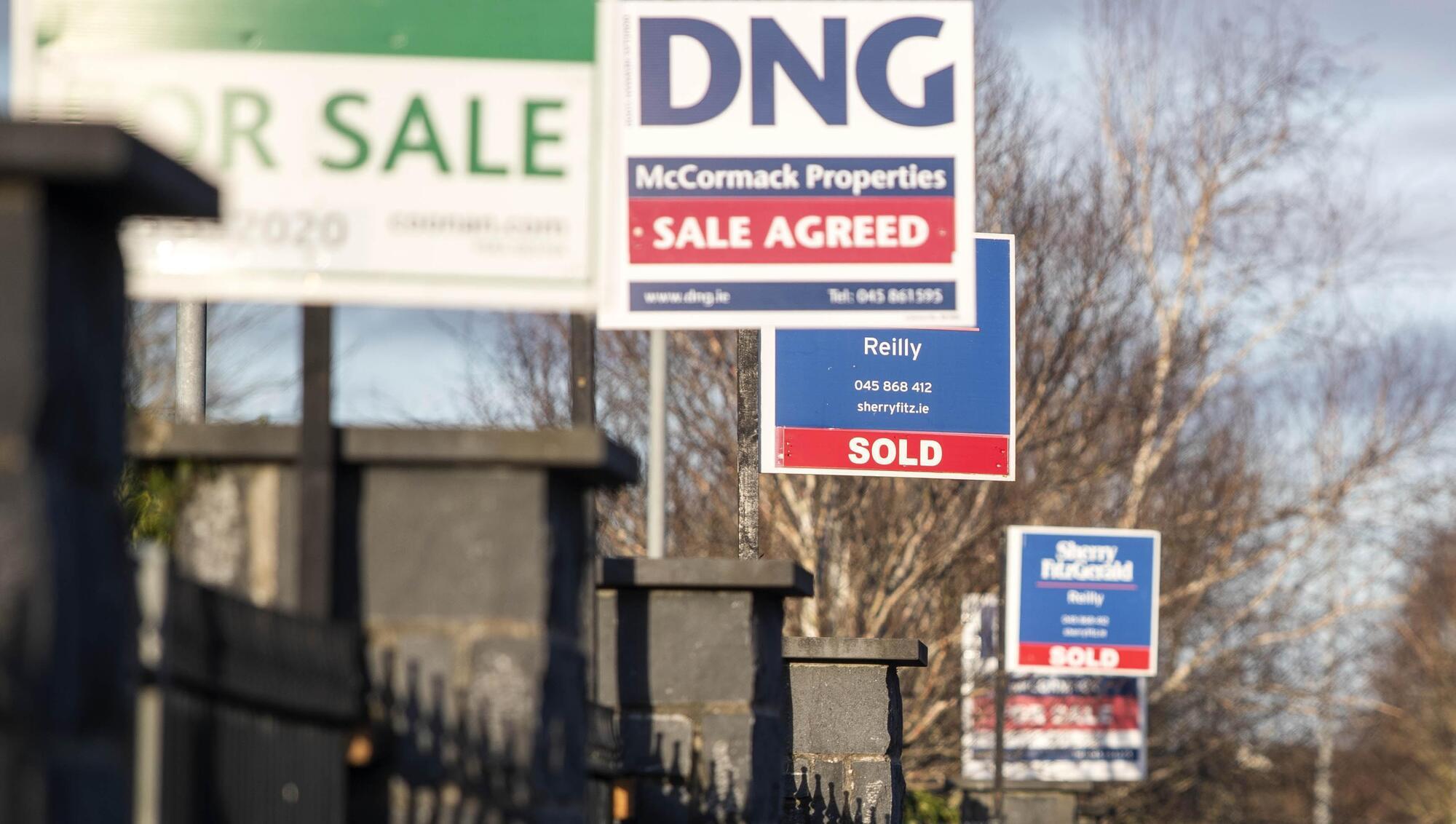
The Central Statistics Office national Residential Property Price Index (RPPI) rose by 2.2% in the 12 months to June 2023, with prices in Dublin decreasing by 0.9% but prices outside Dublin up by 4.5%. File picture: Colin Keegan, Collins Dublin
The Southeast had the biggest spike in house prices over the past year with a 5.5% rise, the latest data show, as overall prices throughout the country continued upwards, albeit at a slower pace.
The Central Statistics Office (CSO) national Residential Property Price Index (RPPI) rose by 2.2% in the 12 months to June 2023, with prices in Dublin decreasing by 0.9% but prices outside Dublin up by 4.5%.
The Residential Property Price Index (RPPI) measures the change in the average level of prices paid for residential properties sold in the country.
CSO statistician Viacheslav Voronovich said: “Residential property prices rose by 2.2% in the 12 months to June 2023, down from 2.6% in the year to May 2023. The region outside of Dublin that saw the largest rise in house prices was the Southeast (Carlow, Kilkenny, Waterford, Wexford) at 5.5%, while at the other end of the scale, the Border region (Cavan, Donegal, Leitrim, Monaghan, Sligo) saw a 3% rise."
In Cork, Kinsale continued to have the highest median price in the county at €410,000.
New homes in the second quarter of 2023 were 11% higher than the same period last year, compared to a 0.6% increase in existing homes. Some 4,025 house sales were registered with Revenue in June at a cost of around €1.5bn, decreasing 1.7% on the same month a year earlier.
The most expensive Eircode area over the 12 months to June 2023 was Blackrock in Dublin with a median price of €735,000, while Ballyhaunis in Mayo had the least expensive price of €127,500, Mr Voronovich said. The median is the middle figure in a row of numbers sorted from top to bottom, as opposed to the average.
The national index is now 2.1% above its highest level at the peak of the property boom in April 2007 and have increased by 127.5% from their lowest in early 2013.
The national Residential Property Price Index increased by 2.2% in the 12 months to June 2023https://t.co/RnxcZvfKvV#CSOIreland #Ireland #Housing #NewDwellings #PropertyPrices #HousePrices #IrishBusiness #BusinessStatistics #BusinessNews pic.twitter.com/OKaGNZwQ9I
— Central Statistics Office Ireland (@CSOIreland) August 16, 2023
Director of auctioneering and estate agent firm Auctioneera, Helen O'Keeffe, said it is an ongoing trend in the last number of months to see the growth of property prices stabilise.
"Several factors are at play at the moment in property. For example in 2022, many borrowers were getting interest rates of 2%. Now, the minimum is 3.5%. This significantly reduces the buying power of the average couple and unfortunately, we have no insight as to when that will change — what a difference a year makes.
"In terms of housing supply, there is still a shortage across the country — as of June 1, housing supply was at 13,000, still well below the 2019 average of 24,200. It is likely that this continued reduction in the rate of growth as shown in the CSO index up to June highlights that we’ve reached the upper limits of the market and there is no upside from here.
"For buyers, that might be good news, but those heightened mortgage rates are an issue. For sellers, it might be further incentive to put their properties on the market sooner rather than later."
Managing director of Lotus Investment Group, Ian Lawlor, said all the indications are that house prices will remain resilient.
"While we are experiencing a period of price stabilisation in the housing markets, we are still seeing average prices across the country continue to tick up. This is in spite of significant increases in mortgage rates over the course of the last year.
"As a lender to developers, we underwrite new loans assuming no further price growth — but we do not envisage a weakening of house prices. This view is informed by the velocity of sales across all new housing schemes we are currently funding, which demonstrates continuing strong demand, particularly for housing schemes that qualify for the government’s assistance measures such as the Shared Equity and Help to Buy schemes in the Dublin and Greater Dublin Area.
"Nationally we went from building almost 90,000 housing units a year to less than 30,000 annually, with an annual requirement of between 35,000 to 45,000. There are massive issues, from the availability of construction skills and labour to material cost inflation and the added stresses put on the housing market with the arrival of thousands of Ukrainians displaced by the war."

CONNECT WITH US TODAY



Be the first to know the latest news and updates