New exhibition charts role of women in Irish medicine
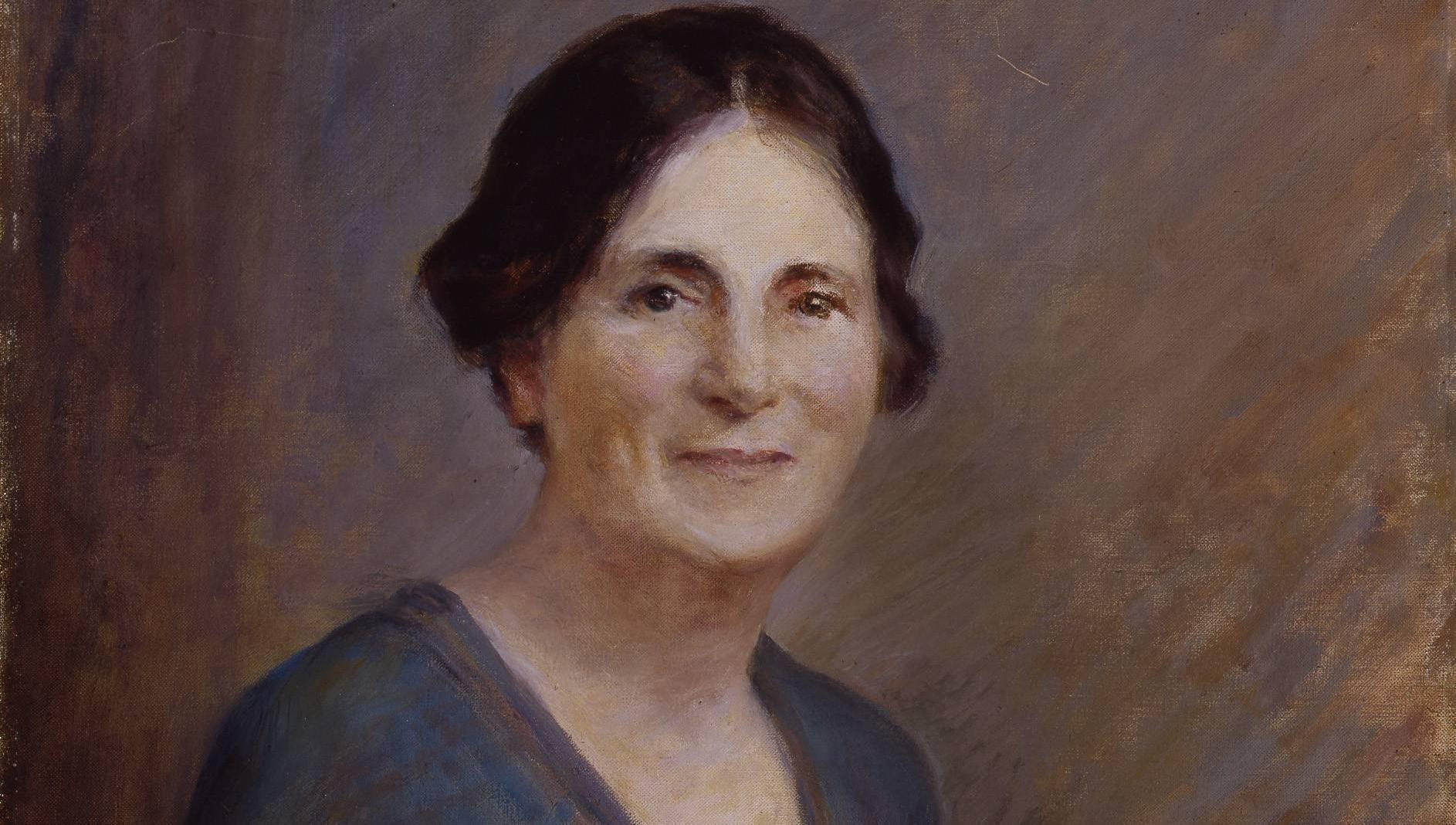
Dr Kathleen Lynn. Picture: Royal College Physicians Ireland
The chief medical officer for the Irish Citizen Army during the 1916 Rising Dr Kathleen Lynn features in an exhibition celebrating the role of women in Irish medicine for National Heritage Week.
The exhibition is on display at the country’s only accredited medical museum in the Royal College of Physicians Ireland in Dublin and is open until Friday.
Dr Lynn, from Mayo, supported workers during the 1913 Lockout. In the run-up to the 1916 Rising, she taught first aid to members of the Irish Citizen’s Army and Cumann na mBan.
She was stationed in City Hall during the fighting, and later having been imprisoned by British forces, kept a diary which RCPI also hosts.
“Very heavy firing all night, we thought place would come down any minute,” she noted on April 27, 1916.
She went on to be elected as a Sinn Féin TD and co-founded St Ultan’s Hospital for Infants in Dublin.
The exhibition ‘Changing Perceptions: Women of Art and Medicine at RCPI’ also includes a portrait of Professor Mary Horgan, the first female president of the college, which was founded in 1654.
Prof Horgan is an infectious diseases consultant at Cork University Hospital and former dean of the University College Cork medical school.
The Kerry woman was also chair of the Rapid Testing Expert Advisory Group, assessing the use of antigen tests during the pandemic.
HPV vaccine campaigner Laura Brennan also features. Ms Brennan, from Co Clare, died aged 26 in 2019 from cervical cancer.
This type of cancer is the most common one caused by HPV, and she campaigned tirelessly to increase vaccine uptakes.
Urging young women to get vaccinated, she said in one promotional video: “I am the reality of an unvaccinated girl.”
Harriet Wheelock, keeper of collections and curator of this exhibition, said most of the college’s portraits have been of men.
“This exhibition is an important correction and demonstrates the changing role of women in our history and in the sphere of medicine and artistic practice,” she said.
“What is so valuable about our collection is the story each piece tells. Our 19th-century medical illustrations, for example, document diseases and conditions reflective of era, class and gender.
"In many cases, the sketch of the patient is the only record of that person’s life.”
Information on this free exhibition and all events can be found here.
CONNECT WITH US TODAY



Be the first to know the latest news and updates