Autistic teachers 'masking' who they are throughout their career
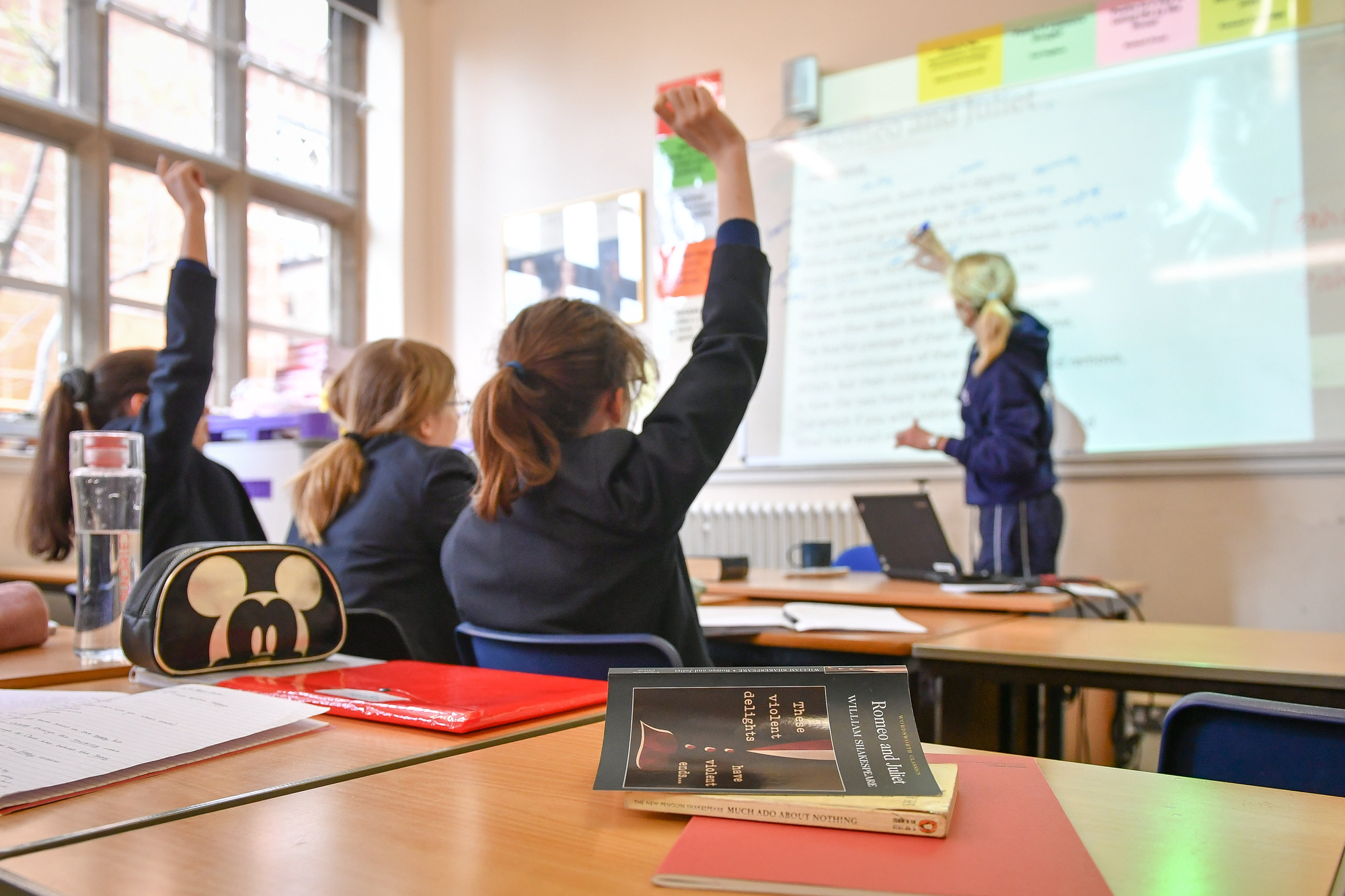
One teacher told the study they had always felt they would only be accepted as a teacher as 'some squished version' of themselves.
Autistic teachers working in Irish education have chosen not to disclose their autism to colleagues and felt compelled to "mask" who they are throughout their career, the first study of its kind highlights.
The finding is included in a new study from Dublin City University (DCU) by Claire O’Neill, an autistic teacher-researcher, who designed and conducted interviews with a number of autistic teachers here.
Teachers who took part in the study reported "masking" who they are to those around them while in school, an approach that cost them personally.
"Masking" refers to autistic people hiding or concealing traits typically associated with autism to fit in better with social norms and their neurotypical peers.
It has been linked to detrimental effects on the wellbeing and mental health of autistic individuals.
One teacher told the study they had always felt they would only be accepted as a teacher as “some squished version” of themselves.
“That’s holding me in, holding in my stims, that’s holding in my boredom at chit-chatting. That’s holding in my desire to talk about my subject, that’s holding in my desire to interrupt another teacher and say we said we do that, can we do it now. All those things can be really difficult, so I am a version of myself in a school.”
Another teacher told the study: “It never felt right and I was always conscious of the fact that this is put on. It’s like shattering afterwards and you replay stuff you said, and you feel like a fool and it’s torture.”
Autistic teachers are a hugely under-researched group in Ireland, with no previous research exploring their experience, according to the study.
While the conducted interviews revealed relationships with colleagues were often more nuanced and challenging for autistic teachers, their different way of thinking was found to be key to how they worked, seeing their own ability to deeply focus on their interests or tasks as a strength of their teaching.
They also reported being able to develop deep and strong relationships with their pupils, something they felt was a particular strength.
Lead researcher Claire O'Neill said the study was important as it shared the experiences of a minority community within the teaching profession.
"The findings also suggest that knowledge and attitudes of non-autistic professionals working within the system have an impact on autistic teachers' sense of belonging and confidence in being their authentic selves in their roles.”
The study recommends there is a need to increase whole-school knowledge of autism and to encourage neurodivergent-friendly environments, as the findings suggest increased awareness is needed across the Irish education system. This includes initial teacher education, professional development, and support services.
- 'I Saw Things through a Different Lens... : An Interpretative Phenomenological Study of the Experiences of Autistic Teachers in the Irish Education System’ is the first study of its kind in the area published by the School of Inclusive and Special Education at DCU
CONNECT WITH US TODAY



Be the first to know the latest news and updates