Increase paid domestic abuse leave from 5 to 10 days, say campaigners
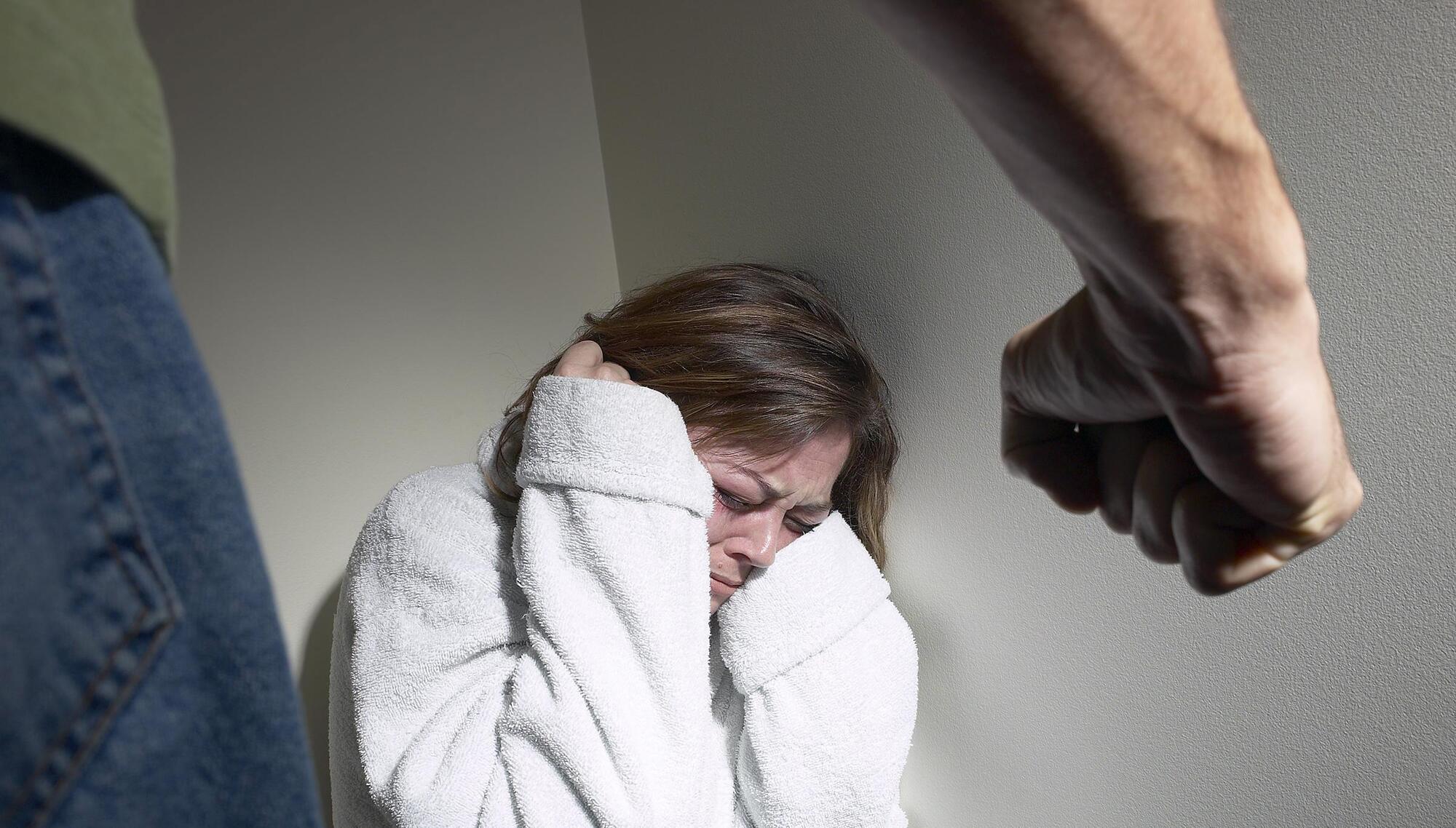
Paid domestic abuse leave will be formally introduced this autumn when regulations and guidance being developed by Women’s Aid will be published.
New paid leave for people suffering domestic violence has been broadly welcomed by survivors but calls have been made to increase the promised five days of paid leave to 10 days.
Ireland will be one of the first countries in Europe to introduce paid domestic abuse leave, which will be formally introduced this autumn, when regulations and guidance being developed by Women’s Aid will be published.
The Government announced this week that victims will be given five days on full pay through the scheme and they will not have to show any evidence of abuse.
Mary McDermot, CEO of Safe Ireland, welcomed the change but said that 10 days of leave would be a “more realistic” timeframe to allow people in traumatised situations to get appropriate support.
“We welcome the fact that it’s a full-pay rate, which not only is of practical help but recognises how changes in finances could alert a perpetrator.
“It’s a welcome protocol to be put in place because it moves the understanding of domestic violence from a highly privatised, individualised understanding of the nature of domestic violence to the reality — which is a large-scale social problem."
The new form of leave was introduced through the Work Life Balance Act, which was passed earlier this year.
Employees will have to disclose the type of leave they are taking to their employer, but do not have to provide any evidence of abuse.
An employee can contact the Workplace Relations Commission if the employer does not permit the leave.
Ruth Lehane of Yana domestic violence centre in North Cork said that dealing with domestic abuse is time consuming for victims.
It often requires multiple court dates, time meeting support services, looking for alternative accommodation, trying to keep any children in the home safe.
“When you’re fearful for your safety you need as much time as possible. You need your workforce behind you and your community behind you.
“We’ve always struggled with women applying for time off for court appearances — that can be applying for safety orders or protection orders. It can also be around things like access.
“I do welcome this and think it will make a huge difference to women."
Susan McCruddon, a survivor of domestic abuse, welcomed the news but said that much more needs to be done.
She was trapped in a “house of horrors” for years where she was allegedly both physically and emotionally abused by a man who would threaten to kill her and her family if she left.
She was not allowed to work and had no financial autonomy so this leave would not have helped her or others like her, she said.
Mary-Louise Lynch is the founder of SiSi, a collective of women survivors of intimate abuse. She said that the new leave was "a wonderful statement culturally, that we’re working on it, that domestic abuse is a significant issue".
“It’s a public health issue," she said.
“If you need time off, the situation has usually escalated — you've suffered serious violence or it is a time when they’ve decided to move out or seek a barring order and get the perpetrator to move out. It is a very difficult time."
"And for coercive control, a person's self-esteem is floored. And having to fill in forms, justify it, get a letter from a doctor to explain it. They’re hurdles. So it is brilliant that the woman does not need to explain. That there is trust there is hugely significant.
"I think this is a very good start for women in crisis situation but there will be a lot of people watching from the side, saying 'what about me?'
"This is symbolic that we have domestic violence leave and it shows how far ahead we are. But there is a lot more to do."

CONNECT WITH US TODAY



Be the first to know the latest news and updates