'Children are being fired across the foster care system'
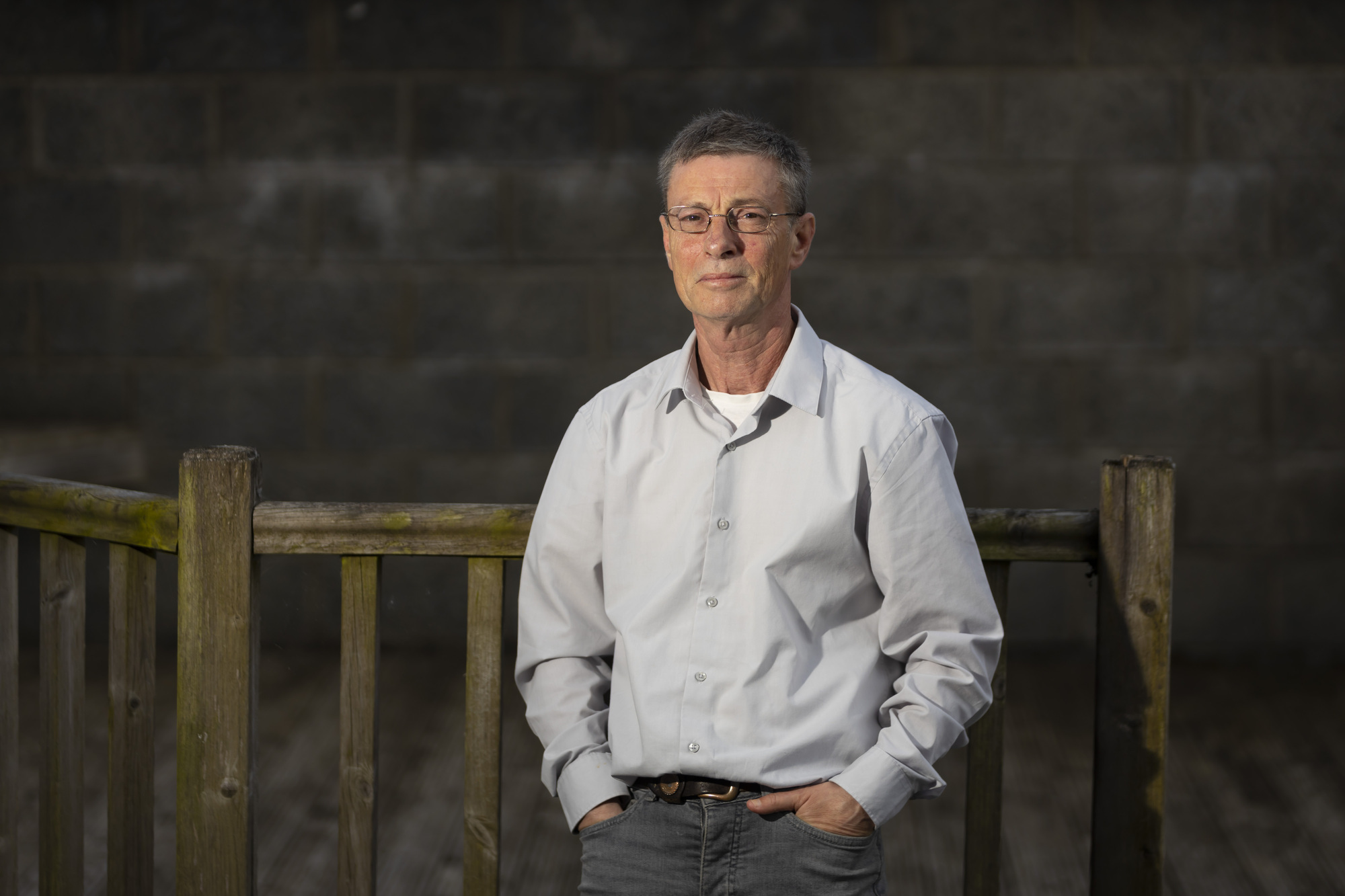
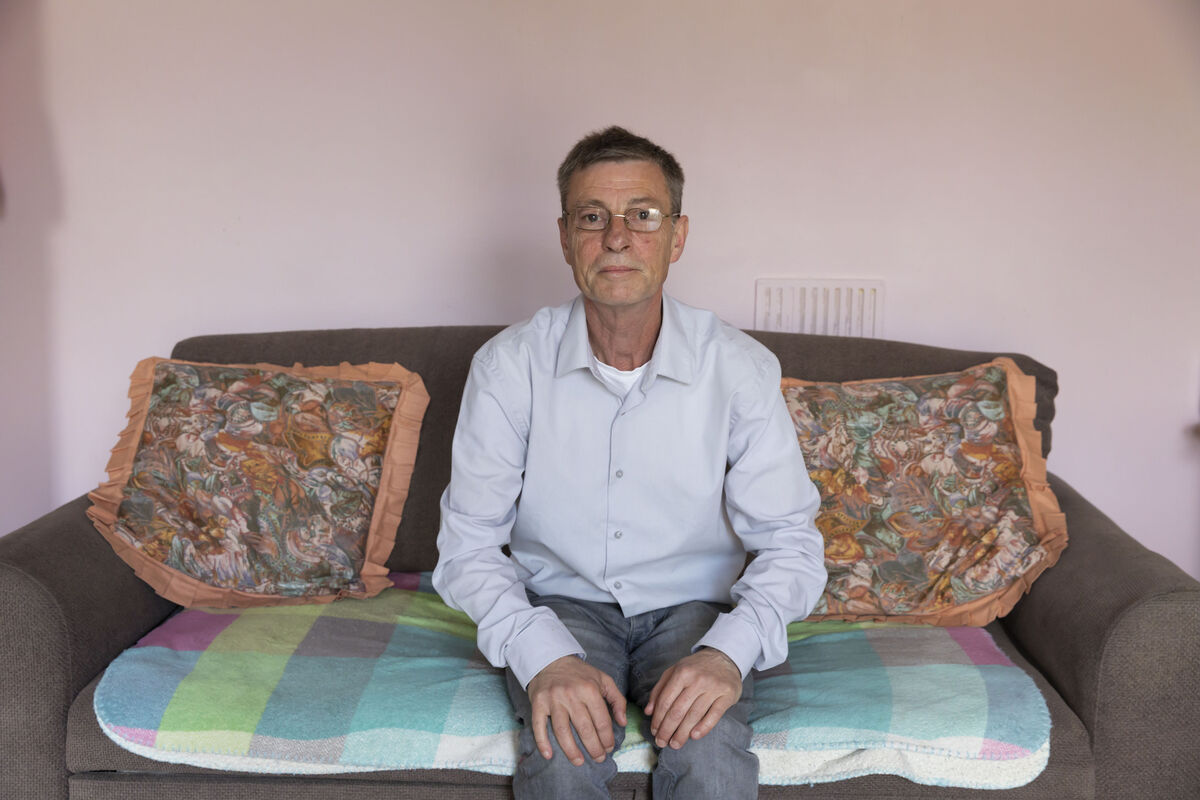
Ray Noctor is the first person to take on the state in relation to child sexual abuse in industrial schools. Picture: Patrick Browne
The first man to sue the State after he was sexually abused in an industrial school has said recent reports from the foster care system and the structure of the latest redress scheme show “the Irish government didn’t care about children then — and it doesn’t care now”.
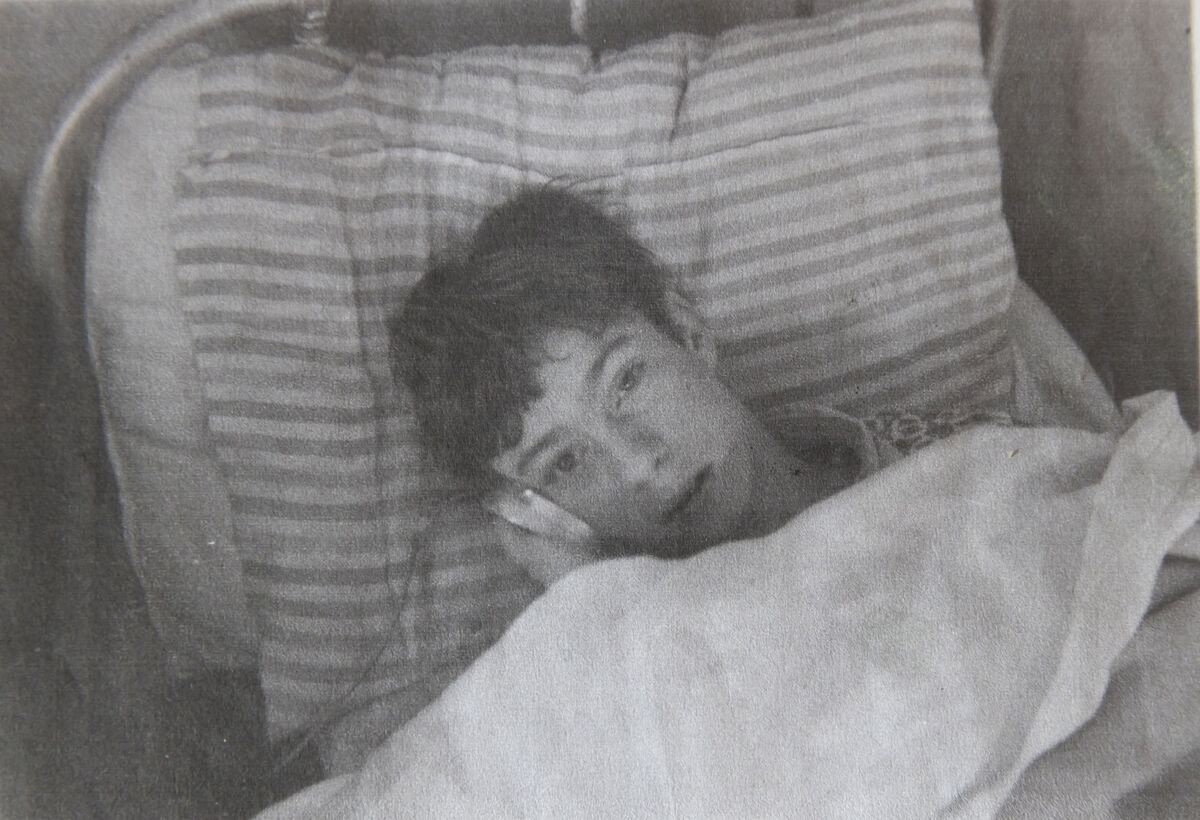
Ray Noctor, 64, from Co. Carlow, was put into St Joseph’s Industrial School in Co. Kilkenny when he was eight years old, shortly after his mother Kathleen died from pneumonia and bronchitis.
His first four years in the system were “relatively quiet”, however, at 12 he was moved to a separate part of the school for children going into their teens.
There, he suffered horrific abuse at the hands of care worker David Murray, who raped and beat him regularly.
By the time he was 16, he was being subjected to bestiality.
In 1997, David Murray was convicted and jailed for 10 years for child sexual abuse. He has since been released.
At the time of Murray's sentencing at Dublin Circuit Criminal Court, Judge Joseph Mathews said: "Never in the history of child care in this State has one child-care worker caused so much damage."
In 2005, Mr Noctor sued the Minister for Education, St. Joseph’s Industrial School in Co. Kilkenny, the Minister for Health, and the Southeastern Health Board for the abuse he had suffered in the 1960s.
He was awarded €370,000 in damages and costs at the High Court, for gross indecency and assault.
Mr Noctor spoke to the in the wake of last month's signing into law of the Redress Scheme for mother and baby home survivors.
The €850 million package will provide compensation for some of the survivors of the institutions but has been criticised for ignoring those who were in foster care, as well as children who spent less than six months in the system.
Mr Noctor said he wanted to highlight how the government has “learned nothing” from his case, by "ignoring" thousands of survivors in the recent scheme.
At the time of his case, he chose to pursue the State in court rather than apply to the Redress Board, which then covered industrial school survivors.
“I wanted the state to be held accountable. I had a good legal team, Malcolmson Law in Dublin, who supported me.
“What galls me to this day is the fact that the State tried to deny my claims back in 2005. They were going to defend themselves, knowing what they knew, they had seen all the papers and my statement about what David Murray had done; it didn’t seem to matter to them. But I brought it forward, and I won."
“When you look at the Redress Board then and the recent scheme now, nothing has changed, the State is still defending itself. It is nothing short of a kangaroo court.
“They needn’t bother saying they are all for survivors. Despite all that children went through in this country; they took land from the nuns for the new children’s hospital. I don’t care if it was free or not, or whatever deal was made, that’s not the issue, it’s the fact they took it.
“They always sided with the religious orders. I didn’t go through the Redress Board; I went to court. But I did go with others to support them, the majority of those survivors were not allowed to give their statements.
“In that scheme, there was a gagging clause and not one member of the government stood up and said this is wrong.
“They are all clearly well aware of it. Micheál Martin was the Minister for Education when I was in court. I opened this can of worms by taking them on and all they did was try to defend themselves.
“They did admit liability in the end, but they had no choice.”
Former Taoiseach Bertie Ahern gave a state apology on 10 May 1999 for those held in religious-run institutions, the Redress Board was launched, and it cost the State around €1.5 billion. But Mr Noctor believes it means “nothing”.
“The apology was hollow,” he said “I wanted nothing to do with it. But when you look at it, the state is still failing children today in all areas.
“Look at the foster system today, Sinéad O’Connor tried to highlight that after her son died in care."
“We have children in poverty today and that’s not right.”
During his landmark case in 2005, Mr Noctor gave evidence of the appalling abuse he suffered at the hands of Murray.
He was beaten, sometimes with a hurley and on other occasions with a brush or strap.
“I was put in there (St Josephs) by the ISPCC because my mother died. For the first few years, no one came near me, you’d get a few slaps but no sexual abuse. Then they moved boys my age into another area, maybe because we were coming into puberty.
“Murray started molesting me and it went on for four years.
“He broke my jaw with a hurl because I was late home from school, he would fill me with drink and I’d go into school drunk, or fall asleep, I was wetting myself and the teacher would send me home with a note saying I was disruptive.
“He would beat the daylights out of me when I’d get home. I was bruised all the time.
“When I attended the hospital for the broken jaw, he said I was fighting with the other boys.
“I never said anything because he would go to the hospital with me and stand there beside me.
“I know that some people believed me. Then other people reported it to the Department of Education.
“When the inspectors came, the school would get rid of me for the day. It was all covered up.”
David Murray left his job for a year, however, the school re-employed him.
“I had some peace for that time,” he said, “but when he came back, he was like a madman. He was worse than ever. He had this Alsatian dog, and he used the dog to abuse me.
“I don’t think he ever went that far with anyone else”.
Mr Noctor's abuser later got married, and he hoped the situation would ease then because his new wife worked at the school with him. Sadly, things remained the same.
“The government failed me and other survivors across the country; they knew what Murray had done to me,” he continued.
“They knew the extent of the damage and yet they fought me in the hope that I would lose. What would have happened if I lost that case?”
Having left the industrial school at 18, Mr Noctor got a job as a dry cleaner in Co. Kilkenny, and he was moved from place to place by social workers in a type of after-care system.
“That went on for around a year,” he said. “This is still happening today in the foster care system; they move them on instead of dealing with them in one place. The government hasn’t learned anything from my case because it is still happening to this day.
“Families are being split up and children are being fired across the foster care system and it’s not good enough, I have no faith in the system or in this government, and the people of Ireland should open their eyes. Do we really want to trust this government who are out of touch?
"Children in poverty, children in care... there are no rigorous independent assessments despite what we are being told and we need to change.”
Eventually, Mr Noctor joined the navy in Cobh Co. Cork, however, he suffered from alcoholism for 30 years and was dishonourably discharged because of his addiction.
He has been sober for 10 years and is currently putting together a book about his life story, which he hopes to publish next year.
A spokesperson for the Department of Education said it “is very conscious of the enormous trauma which has been endured by all survivors of abuse. However, the department cannot comment on individual cases”.
The contacted the Department of Children, Justice, and Health as well as the Child and Family Agency.
Read More


CONNECT WITH US TODAY



Be the first to know the latest news and updates