Baby organs could not be sent abroad without consent under new law
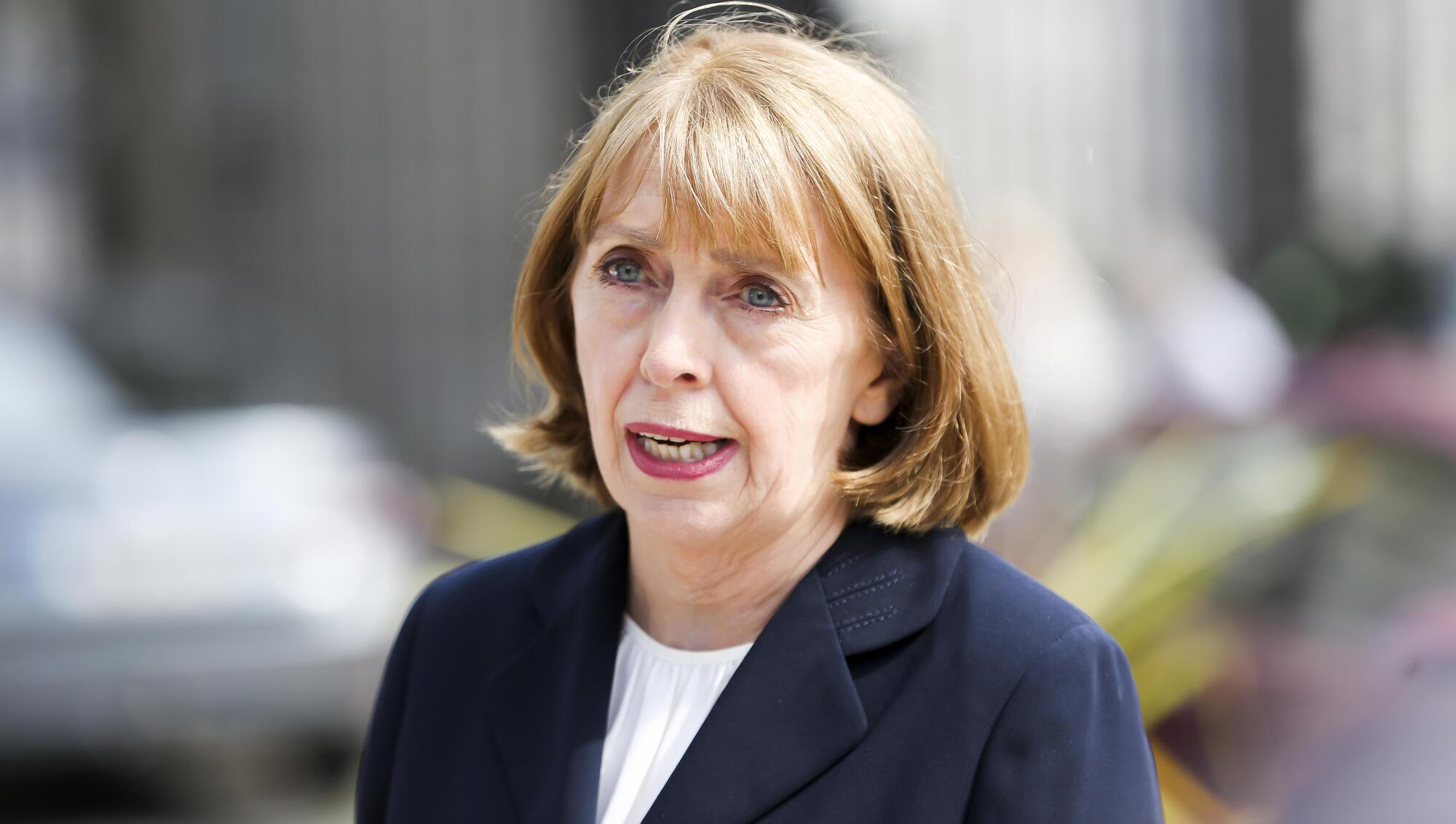
Roisin Shortall TD: 'We are all hoping that this legislation will result in a very significant increase in the number of transplants.'
The sending of babies' remains for incineration abroad without a familyâs consent âcould not happen againâ under new legislation, the Oireachtas Health Committee heard on Wednesday.
The Human Tissue (Transplantation, Post-Mortem, Anatomical Examination and Public Display) Bill 2022 was under discussion at the committee with health minister Stephen Donnelly and his officials.
Among other changes the Bill states consent is a pre-requisite for all procedures involving human organs and tissues and cells, and consent around use of one organ does not apply to other organs.
Mr Donnelly referred to a situation at Cork University Hospital and Cork University Maternity Hospital where babiesâ organs were sent abroad for incineration without informing families, in answering questions from Sinn FĂ©in health spokesman David Cullinane.Â
He expressed his sympathies to the families and said âwhat happened should not have happened at allâ to them.
âThere will be two levels of protection in place; the legislation provides protection and the regulation provides protection. We are not asking for a leap of faith from the Oireachtas in terms of those protections being in place,â he said.
âUnder the Bill family consent will be needed for any arrangements, relating to burial, cremation, return or retention. So what happened in Cork, under the Bill couldnât happen again without the express consent of the family.âÂ
Regulation will also be in place, he said.
He told People Before Profit's Gino Kenny TD that work is progressing on this Bill, and said: âI would hope to commence it this year, this calendar year."
The bill also deals with organ donation in what the Minister described as a âfundamental changeâ in attitudes.
âThe default now is we have all opted-in,â he said. âIf someone has opted-out then no consent (for donation) is sought (from their families), there is no organ donation. That person has stated themselves very clearly that is not something I want if I die.Â
âThere will be a register available, and there will be a full public communication available so at the time people will be able to put themselves on an opt-out register and say âI donât want to be an organ donor.'"
Even if people have not registered this, consent will still be sought from families.
Social Democrats health spokeswoman RĂłisĂn Shortall and Fine Gael spokesman Colm Burke raised concerns about how health services will deal with the changes.
âWe are all hoping that this legislation will result in a very significant increase in the number of transplants,â she said.
âThe worst possible outcome would be where there are additional organs available and we donât have the infrastructure or the staff to actually utilise those organs and save peopleâs lives.âÂ
She requested a report on infrastructure is done one year after the Bill was in place. The Minister said a review is already started. However, she did not agree these cover the same issues.
Mr Burke also asked what consideration is being given to people who are newly emigrated here who may die without having family present in Ireland.
The minister committed to sending information to the Committee around people whose families cannot be quickly identified and said each hospital will have guidelines.
A number of speakers including Mr Donnelly praised the work being done on this by civic groups, particularly the Irish Kidney Association who have supported the transplant sections.