Groups call for 'decisive action to tackle energy poverty'
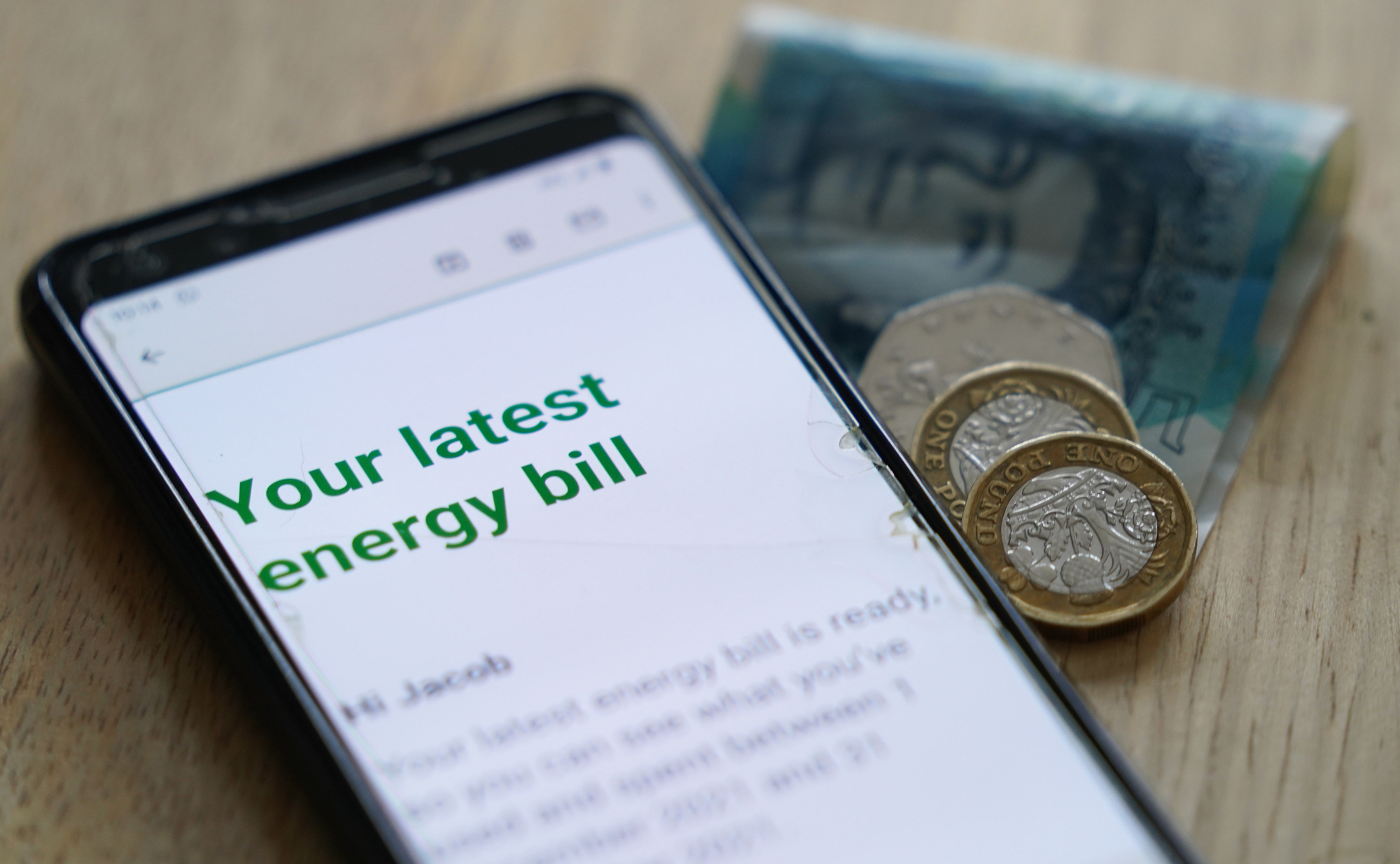
'Almost one in three Irish households were classified as living in energy poverty in 2022,' said the groups.
All core social welfare payments should be increased by at least €25 and new measures introduced to bring down energy bills before winter, a range of environmental and charitable organisations have said.
A joint statement from 27 social, environmental, and voluntary bodies called for "decisive action to tackle energy poverty and break our dependence on fossil fuel home-heating before next winter".
Society of St Vincent De Paul (SVP), Friends of the Earth, Threshold, the Disability Federation, Age Action, the National Women’s Council, and the Irish Heart Foundation are among the organisations to call for the measures as Dublin Castle hosts the National Economic Dialogue to discuss Budget 2024 on Monday.
The number of people unable to keep their homes adequately warm has reached a record high, with this figure more than doubling between 2021 and 2022, said a statement by the 27 organisations.
"Almost one in three Irish households were classified as living in energy poverty in 2022, with the greatest burden falling on those who were already facing challenges — one-parent families, low-income households, people with disabilities, people who were unemployed, older people, renters, and the Roma and Traveller communities," said the statement.
CLIMATE & SUSTAINABILITY HUB
"The one-off government responses seen to date such as the universal energy credit will not resolve income adequacy challenges.
"Targeted interventions are urgently needed, directed at households on the lowest incomes who are most impacted by high energy bills."
Measures it calls for include a minimum of €25 increase in all core social welfare payments, and increased fuel allowance rates in line with cost-of-living increases.
It also called for a cost of disability payment of €20 per week, and the introduction of a system of refundable tax credits, allowing low-income workers who do not earn enough to use their full credit to have the unused portion refunded.
In relation to energy, the statement called for the expansion of the Fully Funded Energy Upgrade Scheme to ensure all low-income households in low building energy ratings (BER) homes are eligible, regardless of home ownership status.
This should include tenants receiving the Housing Assistance Payment (HAP), on the condition of a long-term lease being offered, it said.
Formerly known as the Warmer Homes scheme, the Fully Funded Energy Upgrade Scheme targets the worst-performing properties by tackling homes built before 1993 and with BERs of E, F, or G.
Funds for the scheme should be increased to ensure all homes retrofitted are heat-pump ready to prevent long-term fossil fuel lock-in for low-income households, said the 27 organisations.
The statement also called for an increase in funding for the local authority retrofitting scheme with a view to ensuring all social housing reaches a minimum B2 BER by 2030, as well as the increase of A-rated new social and cost rental housing stock "to tackle the housing crisis and energy poverty in tandem".
Friends of the Earth energy policy officer Clare O’Connor said: "It is powerful to see so many organisations join together to call for an end to our dependence on dirty, expensive fossil fuel heating as a core part of tackling energy poverty and ensuring warm homes for all."