Stephen Donnelly demands 'seven-day' health services following staffing crisis move
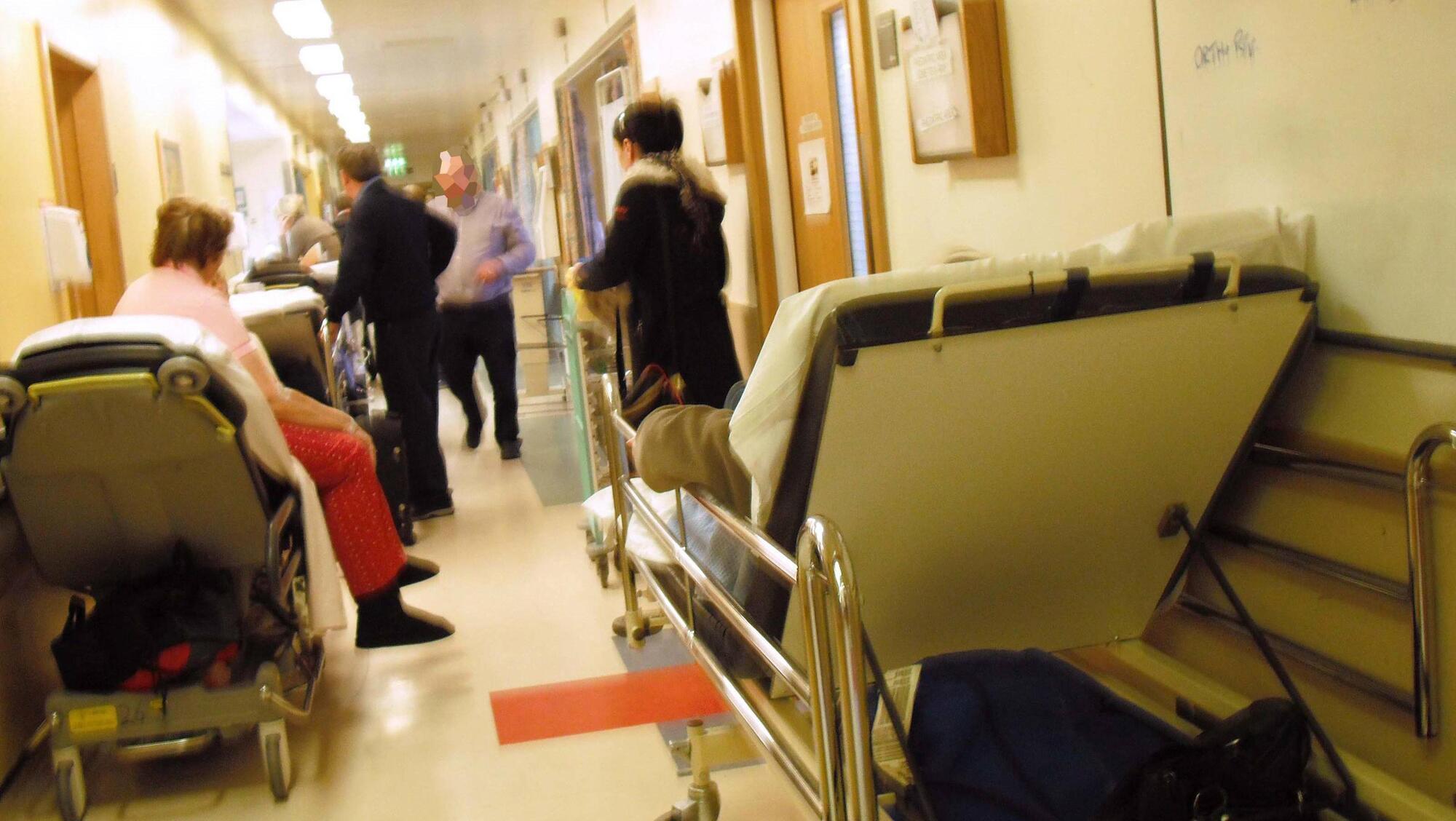
Patients need to be 'seen, treated, scanned, discharged, seven days a week,' Stephen Donnelly said.
The health services have to offer a seven-day service all year round, not just as a crisis measure, Health Minister Stephen Donnelly has said.
It follows a decision by HSE CEO Bernard Gloster to ask HSE staff to volunteer for extra work this bank holiday weekend to avoid a “dreadful position” in busy hospitals.

“We have to move to a seven-day week service,” the minister said.
“The reality is in many parts of the community and many parts of the hospitals service, the normal patient services work Monday to Friday. But as we all know, patients get sick, patients need to be seen, treated, scanned, discharged, seven days a week.”
He said such a move would “get rid of the scourge of patients on trolleys”.
In January, 931 patients waited on trolleys after the new year bank holiday. Some 704 did so after the May bank holiday, according to the Irish Nurses and Midwives Organisation.
“The healthcare workers stepped up. They kept the service going through the weekends, and what we saw was an immediate reduction in the number of patients on trolleys,” Mr Donnelly said.
“So what I would say, to the great credit of our healthcare workers, they have done it before.
In relation to this week’s emergency measure, he said Mr Gloster is “right to put out the request” at this time.
“There were simply too many patients stuck in emergency departments, too many patients on trolleys; it’s not acceptable and it’s not inevitable,” he said.

Mr Gloster made the announcement earlier this week, describing it as “a test” and saying his plan is to permanently change work patterns.
Forsa head of health and welfare Ashley Connolly said the voluntary element is important, as it has been with similar requests this year.
The union will engage with any planned reforms.
INMO general secretary Phil Ní Sheaghdha described the move as “practical”.
“All necessary dialogue with the health sector unions, including the INMO, should start immediately to ensure all rosters and remuneration are fair and observant of agreements for shift workers,” she said.
She said nursing and midwifery working patterns already reflect a 24/7 environment.
Chair of the Irish Medical Organisation’s Consultant Committee Dr Matthew Sadlier said what was a crisis ask in January is becoming predictable. “As an organisation and profession, we have no ideological problem with seven-day working,” he said.
However, he said doing this in an ad-hoc manner means anyone who volunteers will take days off in lieu, leading to shortages later.
“Many community pharmacies are no longer open at weekends, especially Sundays. I couldn’t discharge a patient who isn’t able to get their medication,” Dr Sadlier, a psychiatrist, also said.
Other supports, particularly childcare, are needed, he added.
Meanwhile, Mr Donnelly announced sites for five surgical hubs which will be built as modular units to speed up construction.
CUH will host one, as will University Hospital Waterford, with another planned for Limerick, although the site is not yet chosen.
The Royal College of Surgeons in Ireland welcomed the announcement.
“Waiting lists for surgical care in Ireland are unacceptably long,” said Professor Deborah McNamara.