Cork communities 'detached' from local Garda stations under new centralised call system
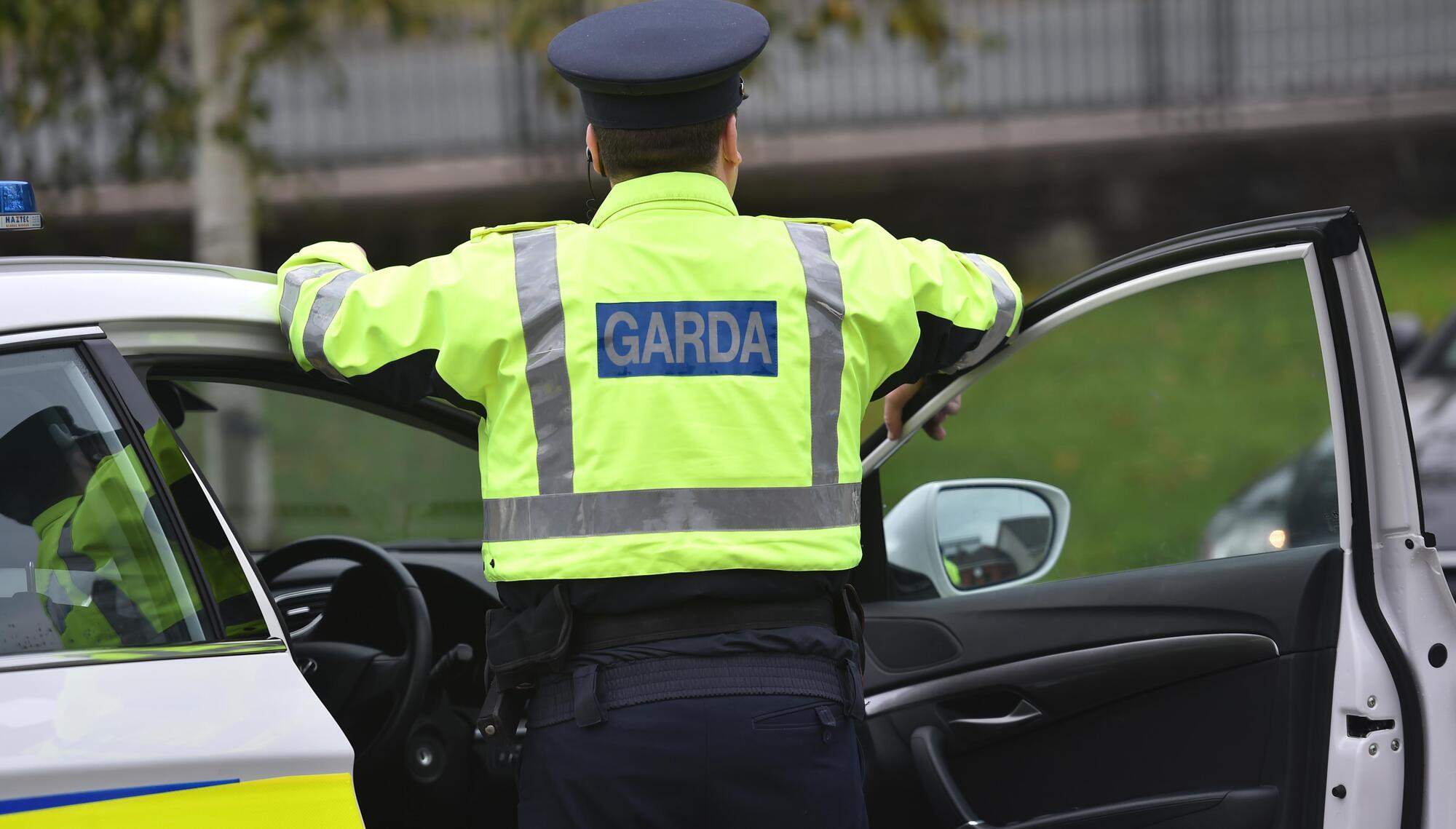
Sources said gardaí have been subjected to abuse after calls were re-routed to a regional control centre.
The centralisation of calls to a regional Garda control centre has left communities detached from their local station and led to claims that trust is being eroded in members of the force.
A new centralised phone system re-routes all calls in Co Cork away from local stations to a regional control centre in Anglesea St Garda Station in the city. It was introduced on May 3 as part of a national movement to centralise public contact with the force.
However, less than a fortnight after it was brought in, senior Garda sources have told the that officers have already been subjected to abuse from frustrated members of the public after they called to report a crime or suspicious activity in West Cork, only to be re-routed to the regional control centre, where staff often lack detailed local knowledge.
The system was already introduced in the northwest region of the country in the first quarter of this year and will be rolled out across the remaining two established regional control rooms in Waterford and Dublin over the coming months.
According to Garda headquarters, the new system, called Computer Aided Dispatch II (CADII), incorporates the latest control-room technology, including mapping, mobile computing, automatic vehicle and person location, and digital radio and telephone integration.
"CADII has been designed and developed to provide better information, leading to better real-time decisions, more efficient and effective responses, richer collaboration, safer deployment of Garda resources, and greater supervisory and management reporting tools," a Garda spokesperson said.
However, a Garda source said "expert call takers" must also record personal information when a crime is reported, such as the caller’s date of birth, which can lose valuable seconds before a Garda car can be dispatched.
“This new Caller Aided Dispatch system is going to distance gardaí from the public," the source said.
"That guard [in the control centre] then has to manually put it on the system before it’s dispatched and given to a [garda] car."
He said the system is based on an operation model from another country, from a large city, that does not reflect Irish rural policing.
"It’s also frustrating the guards because they now have to deal with irate customers. The public doesn’t want to be re-routed. They want to talk to a local garda who is familiar with the area," he said.
"There’s a huge conflict here. You have guards on the beat who, because of the nature of their work, are generating goodwill. That’s now being eroded by frustration with the system. And this is only in its infancy. I predict that this is going to have a massive knock-on effect."
The Garda Representative Association's executive will attend a briefing next week on the new system, according to GRA president Brendan O'Connor.
While the GRA has always called for better technology, he warned it can also compromise the "personal touch" that defines Irish policing.
"Some feedback from our members has indicated a frustration expressed by members of the public who no longer speak to a local garda but instead are patched through to a control room a long way away, where they speak to someone with no knowledge of the geography or locations they are talking about."
However, a garda working in one of the four regional control rooms said the system needs time to bed in.
“There will always be some resistance when you bring in something new. But it is just going the same way as the ambulance and the fire service. It’s new; we have to give it a chance."

CONNECT WITH US TODAY



Be the first to know the latest news and updates