Drugs 'raining down in prison yards' with three hospitalised after taking fake benzos
Drugs 'raining down in prison yards' with three hospitalised after taking fake benzos

Research shows that some 40% of people committed to prison in a neighbouring jurisdiction carry drugs internally.

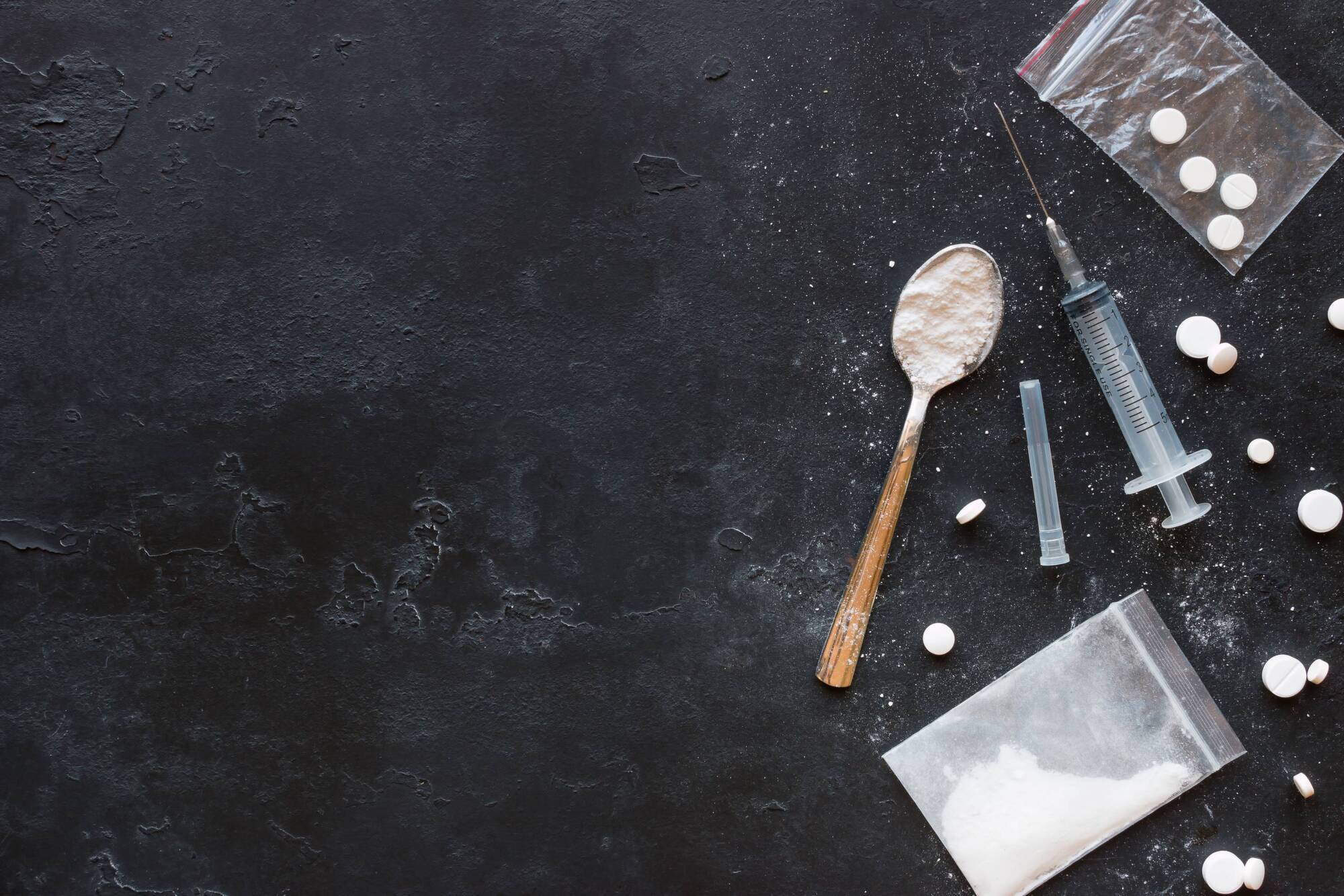
Drugs “are raining down” in prison yards with three people hospitalised this week after taking fake benzodiazepines thrown over the prison wall.

The “homemade” anti-anxiety pills were 10 times more potent than the legal drug according to Irish Prison Service (IPS) medical staff.

Seven prisoners became very unwell, three had to be hospitalised, and one is currently being intubated in hospital after taking the drugs thrown into the yard in Cloverhill prison.

IPS director general Caron McCaffrey said that drugs coming over the wall is a risk to prisoners.

They don’t know what’s in them. But they’ve consumed them because they have active addictions. 

"70% of people that come to prison have an active addiction and they don’t leave that addiction or their desire to find and take drugs behind.” 

Copper pipes are being stuffed with drugs and thrown over the prison walls into yards, weighted to slip through the netting.

Drones and tennis balls — set on fire to burn through the netting — have also been used.

People are also refusing bail to traffic drugs into prison within their bodies, Prison Officers’ Association (POA) assistant general secretary Gabriel Keaveney said.

“Drugs are raining down into the prison yards,” Mr Keaveney said at the POA’s annual conference currently under way in Galway.

Last year, there were 1,390 drug seizures in prisons, in 2021 there were 1,518 seizures, and in 2020 there were 1,251.

Research shows that some 40% of people committed to prison in a neighbouring jurisdiction carry drugs internally. This tallies with the IPS’s understanding of the problem Ms McCaffrey said.

The IPS is working to introduce x-ray body scanners to check people internally before entering prison, Ms McCaffrey said.

“The evidence from their use in other jurisdictions is that 40% of more of people being committed to prison, have drugs concealed internally, and that would be consistent with our view.

“What we saw during covid, because we were quarantining new committals was a vast reduction in the number of drugs available within our prisons.” 

Ms McCaffrey also wants to introduce a peer-led recovery programme, where prisoners who have been through a recovery journey in custody could support and encourage other prisoners to deal with their addiction.

“There’s no better time than a time spent in custody to deal with your addiction because in many cases, it’s the addiction that’s led to the offending behaviour in the first place,” she said.

Sex offences

People being jailed for sex offences has also increased, Ms McCaffrey said.

Some 646 people are currently in prisons for sex offences and there is potential for a dedicated sex offences prison, she said.

Some 258 people were jailed for sex offences last year, up from 189 in 2021.

And the number of people aged under 35 jailed for sex offences is on the rise, Ms McCaffrey said.

Some 22% of jailed sex offenders are under 35. Some 67 people under 35 were jailed for sex offences last year, up from 41 in 2017.

“We’ve seen a really significant increase in the number of sex offenders within the population over the last number of years.

“They’re predominantly housed in the Midlands prison, and in Arbor Hill prison.

“There would be potential I think to have a dedicated prison that will cater for all of our sex offenders.”

More in this section

Lunchtime News

Newsletter

Keep up with stories of the day with our lunchtime news wrap and important breaking news alerts.

Cookie Policy Privacy Policy Brand Safety FAQ Help Contact Us Terms and Conditions

© Examiner Echo Group Limited