Changes to grant scheme will 'incentivise' people to take on vacant homes
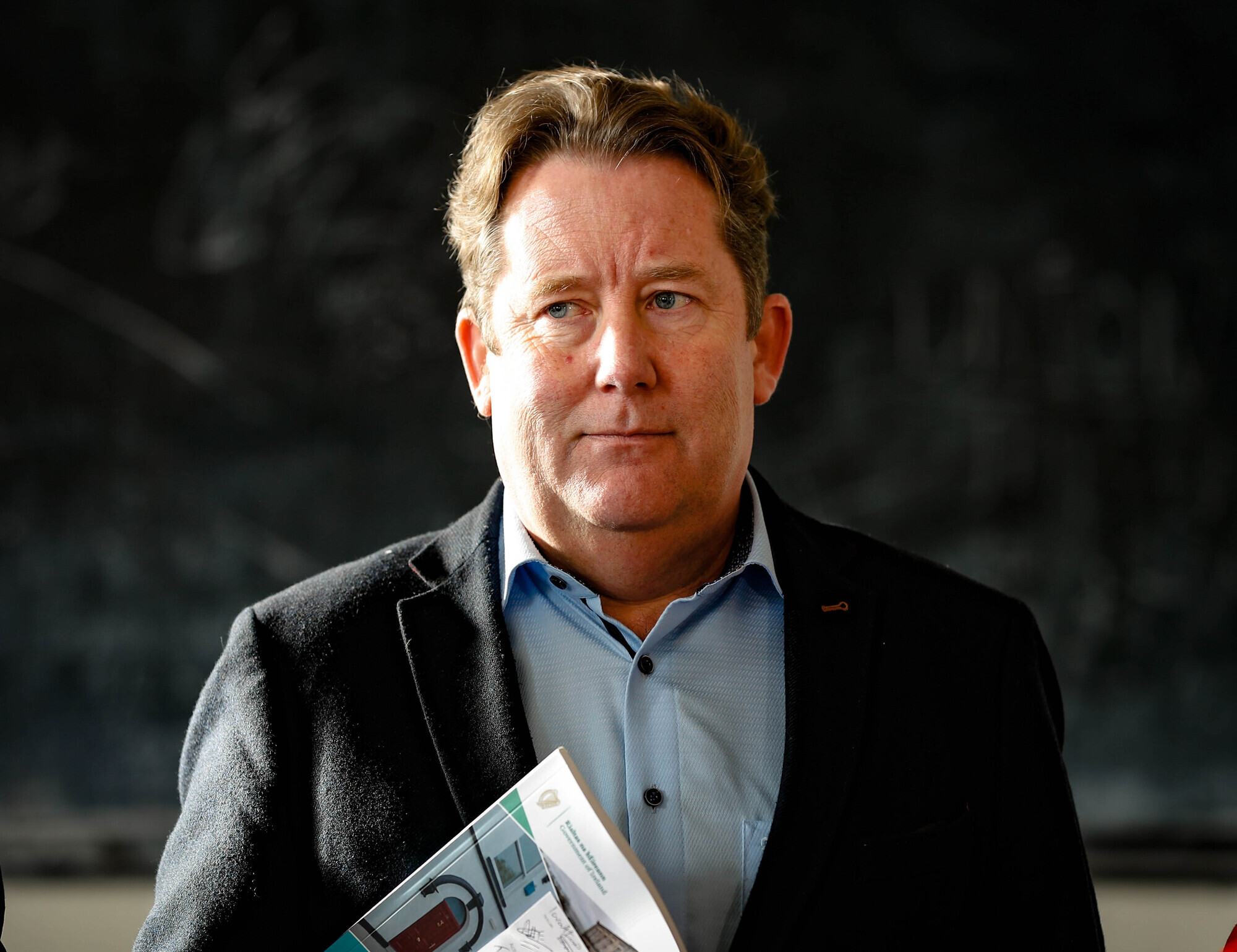
Darragh O'Brien: . Photo: Damien Storan.
Changes to the existing vacant home grant scheme aimed at incentivising people to take on empty properties have been described as "sensible and substantial" by an industry body.
The Vacant Property Refurbishment Grant was launched last July for properties in towns and villages and expanded in November to cities and other rural areas. It provides up to €30,000 in grants if someone wants to restore a vacant property to live in as their main home.
If a property is derelict, that grant rises to €50,000. This is along with up to nearly €27,000 in further separate grants potentially available from the Sustainable Energy Authority of Ireland.
However, stringent conditions applied to qualify for the scheme, including that it cannot be rented out afterwards, proof that it had been vacant for at least two years, and that it is built before 1993.
Changes proposed by Housing Minister Darragh O'Brien now include the grant being available for renovations to all homes built before 2007 instead of 1993, and grants also becoming available for people renovating vacant homes to be used as rental properties.
New grant rates will be €50,000 for a vacant property of two years, and up to €70,000 for properties which are derelict or need structural work.
According to official data from the Department of Housing, up to the end of last year, some 765 applications were made across the country for the scheme, but just 105 were approved. Some 102 were rejected, and 558 were still being considered.
Hardware Association Ireland chief executive Martin Markey, whose organisation has long campaigned for a national dereliction and vacancy plan, said the changes are "excellent news" for those wishing to avail of the grants.
"These are very sensible and substantial changes which will give a major boost to getting more empty homes back into use.
"We are delighted that the minister and his department are being proactive on the issue of vacant homes as it has the potential to free up a lot of housing stock, create a lot of jobs, transform rural towns and villages and tackle dereliction in urban areas," he said.
Around one in 25 homes in the country is vacant, the Central Statistics Office (CSO) has estimated, based on metered electricity consumption.
After last year’s Census, the CSO said there were nearly 167,000 vacant houses and apartments.
Of those, nearly 48,500 homes vacant in 2016 were still vacant in 2022, while 23,500 were vacant in 2011, 2016, and 2022.

CONNECT WITH US TODAY



Be the first to know the latest news and updates