Settlement between State and PwC over Quinn Insurance collapse to reach €83m
Fine Gael’s Colm Burke pointed out the State has received less than 4% of the total Quinn liability back from auditors, saying 'they’re walking off the pitch as if no wrong was done'.
A settlement between the Irish State and PwC over the collapse of Quinn Insurance will eventually amount to €83m, an Oireachtas committee has heard.
The Public Accounts Committee (PAC) hearing on Thursday morning saw the Central Bank appear to discuss the Insurance Compensation Fund and an unauthorised breach of its own credit limits to the tune of €738m over the last October bank holiday.
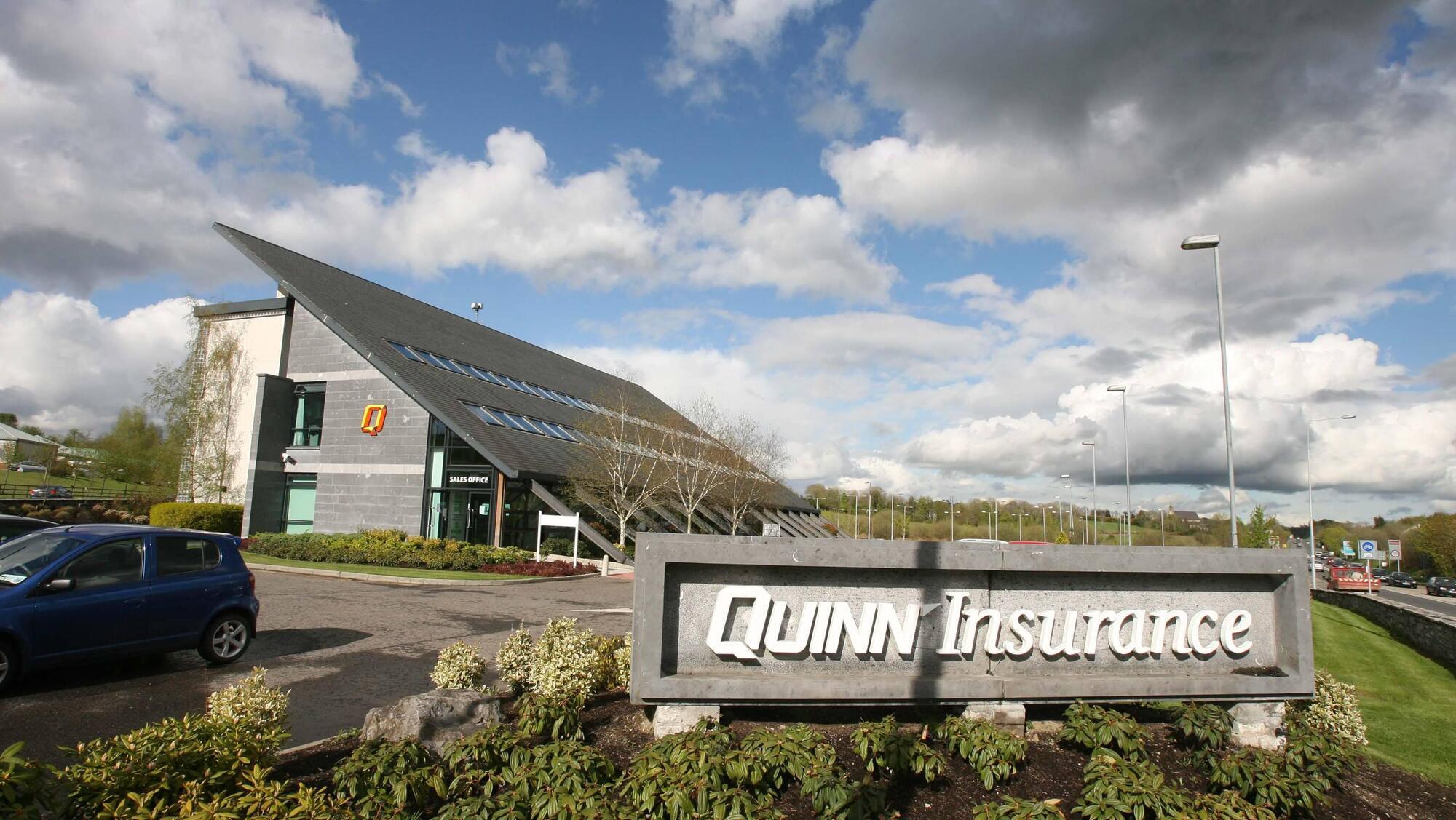
The settlement, meanwhile, between PwC and the Insurance Compensation Fund (ICF) was made in relation to a €1.1bn dispute regarding the collapse of the insurer — and the consultancy’s responsibility for auditing of its books.
Quinn Insurance had been part of the business empire of Seán Quinn, formerly Ireland’s richest man, prior to its 2010 collapse.
Assistant secretary at the Department of Finance Michael McGrath confirmed to the PAC that the final settlement of €54m and reimbursement of security of costs in the amount of €29m has been fully remitted by PwC, but that “significant” legal costs, likely in the region of €25m, mean the final figure received by the State will amount to much less.
Fine Gael’s Colm Burke pointed out the State has received less than 4% of the total Quinn liability back from auditors, saying “they’re walking off the pitch as if no wrong was done”.
Comptroller and Auditor General Seamus McCarthy confirmed the ICF, which is charged with reimbursing policyholders when an insurance firm goes into liquidation, had been unable to meet the demands occasioned by the collapse of Quinn, and had been loaned €1bn by the Department of Finance between 2011 and 2015 to that end.
He said three further company failures had occurred between 2013 and 2016, resulting in further claims on the fund.
The ICF operates by taking a 2% levy on the value of all non-life-insurance premiums taken out by Irish citizens.
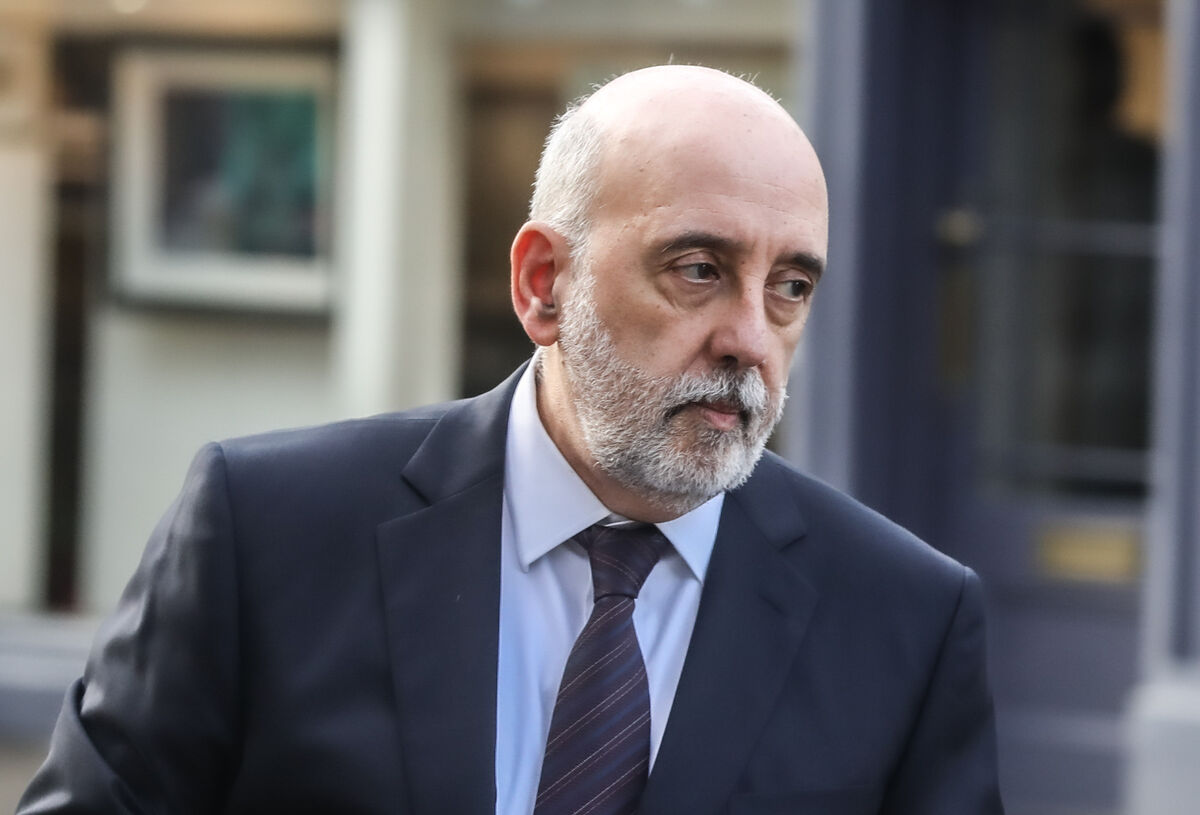
Central Bank governor Gabriel Makhlouf defended his institution against the suggestion by committee members that both the news of the PwC settlement and a story involving the bank issuing €738m last October in breach of its own credit limit had been leaked to the media, insisting the leak did not come from the bank.
“I find it incredibly regrettable, not just those leaks but any leaks, and I can assure you it did not come from the Central Bank,” he said, amid the suggestion from Wexford Independent TD Verona Murphy that the Central Bank is the “common denominator” for both leaks.
Mr Makhlouf added that only a small number of people, though “more than three or four” would have had knowledge of the final settlement figure.
The meeting began with an admonition of the Central Bank by committee chair Brian Stanley for its failure to attend its scheduled meeting on February 23 — leading to that meeting being abandoned after about 15 minutes, with Thursday’s hearing having been a rescheduling of same.
“We gave three days’ written notice, it should have been much earlier, it was a mistake, I would have expected the committee to be informed much earlier,” Mr Makhlouf said, in response to Ms Murphy’s assertion that the aborted hearing was “absolutely disrespectful”.
When asked who the committee should have been informed by, Mr Makhlouf replied: “By me and my office”.
“Ultimately I’m accountable for the fact you didn’t get notice. It was an error, my understanding was that we had communicated verbally,” he said.
The representatives from the Central Bank told the committee that Ireland’s banks have €60bn on deposit with the European Central Bank at a rate of 3%, yet the majority of rates offered to Irish customers at present are close to 0%, something Mr Makhlouf said is attributable to “a commercial decision” and “not in our remit”.
He further confirmed he had neither the powers, nor the desire to have those powers, to cap interest rates being charged by vulture funds to some Irish mortgage-holders, rates which typically stand at about 7% at present, more than twice the rates being paid by people on fixed rates.

CONNECT WITH US TODAY



Be the first to know the latest news and updates