Trócaire revisits its 'Lenten box' children to mark 50th anniversary

Josiane Umumarashavu from Rwanda was on the Trócaire Lent box in 2004 when she was aged 12. Josiane, pictured with her two children Gianni and Dilan holding the Trocaire box from 2004, now works as a finance assistant in the charity's office in Rwanda.
As it marks a milestone 50th anniversary this year, Trócaire has taken a look back at some of the children who featured on its Lenten boxes and how their lives have progressed.
According to the charity, the support it receives in donations from the Irish public has helped children in the most vulnerable communities access quality education and attain functional levels of literacy, numeracy, and essential life skills.
As a 12-year-old, Josiane Umumarashavu appeared on more than one million Trócaire boxes that reached homes across Ireland when the charity featured Rwanda in its annual Lent campaign in 2004.
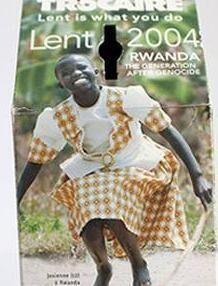
In 1994, Josiane lost her father, sister, and two brothers in the Genocide against the Tutsi.
Her memories of that time include being forced to flee her home and crying for the doll she left behind.
Thanks to donations from the public during the Lenten Appeal, Josiane and her family, along with thousands of others, received support that meant they could feed their families, earn incomes and continue to attend school.
Now, 18 years later, Josiane, 31, is married with two children and lives in Kigali City.
After graduating with a qualification in business management and accounting, she now works as a finance assistant in Trócaire’s office in Rwanda.
Josiane said she still looks at the Trócaire box from 2004 to remind herself of how far she has come and how generous the Irish public was.
When she was aged five, Digna from La Confianza, in the Aguan Valley in Honduras, featured on the Trócaire box. The campaign in 2011 highlighted her community’s struggle to stay on their land.
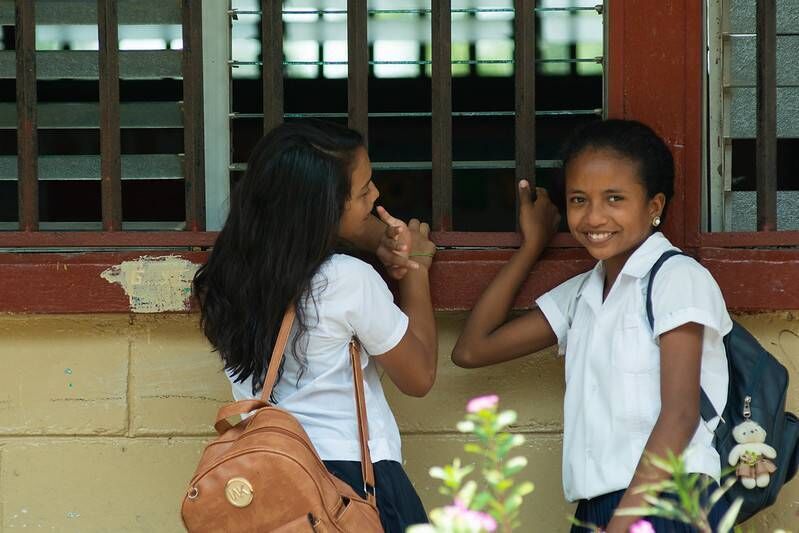
Now 17, Digna is in her final year of education in Honduras’ largest city Tegucigalpa.
This is a great achievement as more than a third of children in Honduras are currently not in school.
Trócaire partner Fundación San Alonso Rodriguez (FSAR) is continuing to support Digna with school materials and personal support.
They are also continuing to provide legal advice and to strengthen farmers´ groups in the Aguan Valley.
María Angelica Cuc Teyul from Guatemala appeared on the Trócaire box in 2019 when she was nine years old.
Working as small farmers in the community of Parana in the Polochic Valley, María’s family was violently evicted from their ancestral homeland in 2011. As a small child, she and her family watched as their home was burned down by a private security firm, accompanied by state forces.
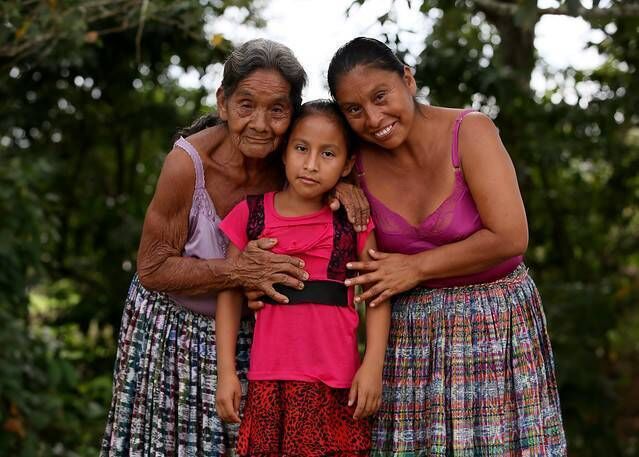
They returned to their land in 2015. With the help of Trócaire and local partners Committee for Peasant Unity (CUC), the community has secured a temporary legal assurance ruling to protect them.
Following the 2019 Lenten Campaign and help from the Irish public, Trócaire distributed nine bulls to the community.
Now 13, María is doing well in school. She hopes she will finish her primary level of schooling next year.
However, due to economic factors, it is very challenging for families to keep their children in school and the nearest school is also 6km from the community.
Last year, the Irish public was introduced to siblings No Matter and Forward when they appeared on the Trócaire Lenten Box.
Their mother Thandekile Ncube from the Matobo District in Southern Zimbabwe was struggling to provide for her family due to the effects of climate change on their community and the passing of her husband Donovan from covid.
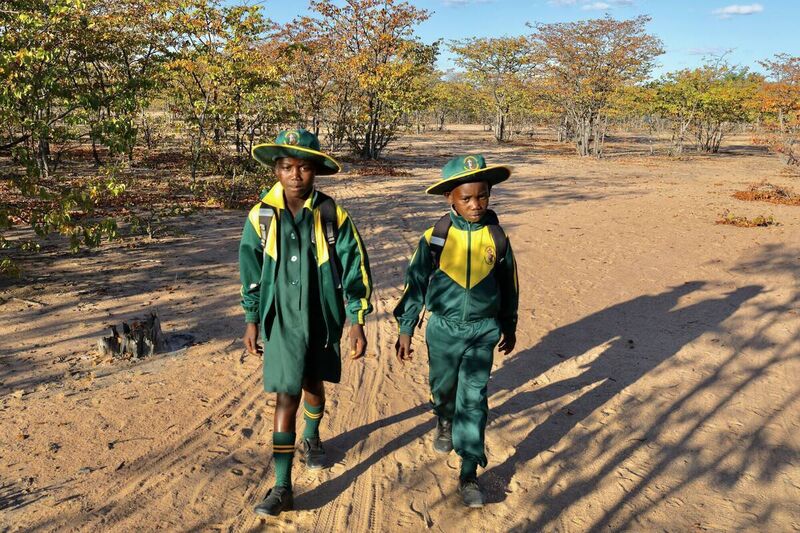
Trócaire and partner organisation Caritas Bulawayo have been working closely with the community in the Matobo district.
This included setting up and managing a community garden as well as working with families who have been affected by market and business closures.
No Matter and Forward are still in school and are doing well. Forward is now 9 and in Grade 3 and No Matter is 12 and is in Grade 7. Thandekile hopes she will be able to keep the children in school despite the rising cost of school fees.
CONNECT WITH US TODAY



Be the first to know the latest news and updates