Eamon Ryan: Tardy Bord Pleanála decisions making key project delivery 'painfully slow'
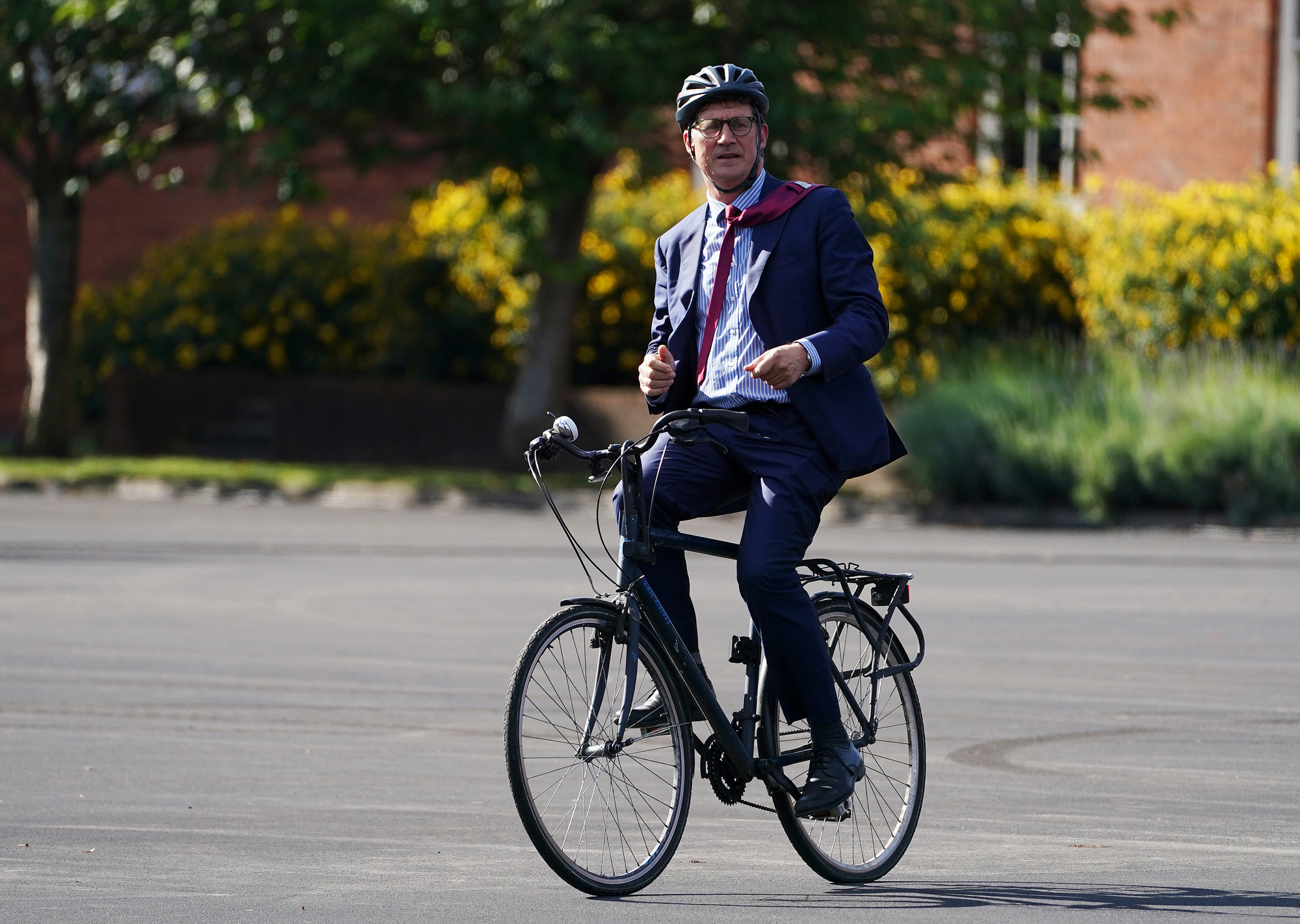
Transport Minister Eamon Ryan said walking, cycling and public transport had to account for 50% of daily journeys.
An Bord Pleanála's decision-making on housing, energy, and transport "is the greatest constraint facing the country" and is making the delivery of projects like BusConnects "painfully slow", Eamon Ryan has claimed.
The Transport Minister told TDs and senators at the Oireachtas Climate Committee that "all public transport projects are in an uncertain timeline" because of An Bord Pleanála's ability to deliver decisions in a timely manner.
"It is the biggest problem we have, in my mind, in terms of meeting our climate targets, delivering housing and water and other infrastructure that we need for our future. That is why I am supportive of the bill before the house to try and improve and streamline our planning system," he said.
The newly proposed Planning and Development Bill aimed at overhauling current obstacles in the system has been criticised by a range of sectors, including environmental lawyers, who have warned it will limit access to justice.
BusConnects is the National Transport Authority programme to improve bus services in Irish cities, at a cost of €2bn alone for Dublin. Mr Ryan cited what he said should have been a relatively straightforward route from Clongriffin to Dublin city centre being beset by delays.
That was due for a decision in October 2022 but has been pushed back until the summer, he said.
The scheme had a "difficult birth", with mistakes made, he said. Original designs for the project in Dublin were about building bus corridors rather than communities, he added.
Mr Ryan said he would not be in favour of congestion charges in cities if the public transport networks in each are not improved beforehand.
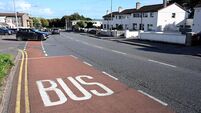
That means reallocating space on roads to cycle and bus lanes, with local authorities having to be "brave and ambitious", he said.
Mr Ryan said Ireland would need to reduce total vehicle kilometres travelled by 20% by 2030; a 50% reduction in fossil-fuel usage in transport; and about one in three private cars an electric vehicle.
He added walking, cycling and public transport had to account for 50% of daily journeys, which would require a 50% increase in daily active travel journeys, 130% increase in daily public transport journeys; and a 25% reduction in daily car journeys.
In relation to the shift from traditional petrol and diesel-powered cars to EVs, Social Democrats spokesperson on climate Jennifer Whitmore said current incentives such as grants are geared towards wealthier people in areas with better public transport options, when people in rural areas should be the target.
New EVs are "out of reach" for many people, yet those buying €60,000 new electric models are getting grants, she said.
People in rural areas have nowhere near the same public level of public transport options, and more targeted funding is needed for them, she added.
Zero Emission Vehicles Ireland, a Department of Transport office, this week confirmed the maximum grant for buying an EV will be €3,500 for applications from July 1, down from the €5,000 currently.
Mr Ryan claimed that because more than half of EV sales have been in Dublin, that would stimulate the second-hand market down the line, which would in turn make them more affordable for all.
Senator Lynn Boylan retorted she did not like the idea of the people of Dublin somehow providing cars for those less well-off.