Primary school pupils will have freedom to reduce religious learning
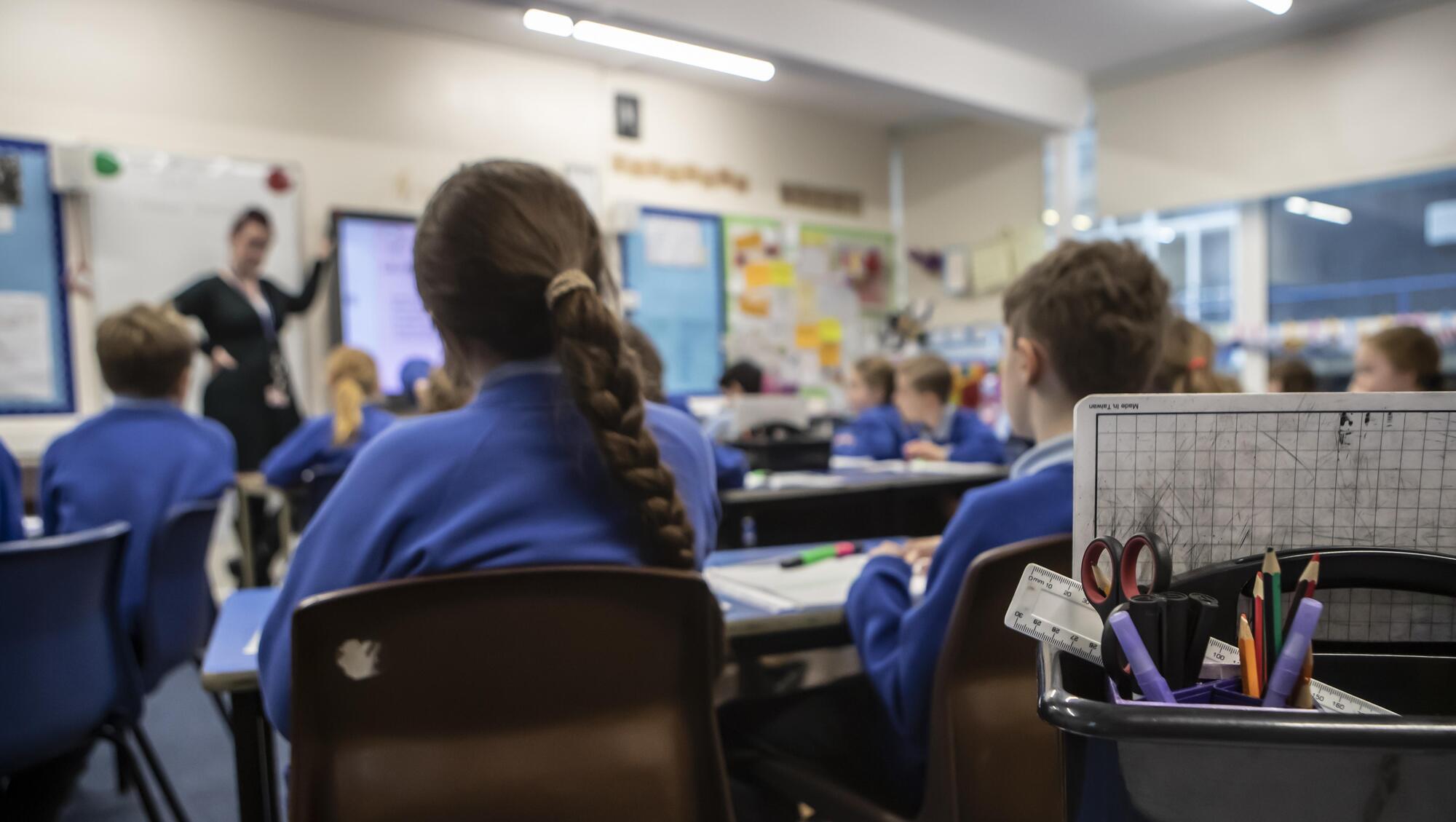
Increased focus will be placed on pupil wellbeing amid concerns about rising levels of anxiety and mental health issues and 'flexible time' will be set aside each week for projects outside the core subjects. File picture: Danny Lawson/PA Wire
Primary school pupils will be taught foreign languages from third class onwards and schools will be given the freedom to reduce religious learning, under sweeping reforms proposed for the curriculum.
Details of the first major overhaul of the primary school curriculum in 25 years will be brought to Cabinet today by Education Minister Norma Foley, with a move towards more 'fact-based" subjects, such as science and math, and a reduced emphasis on religion.
Increased focus will be placed on pupil wellbeing amid concerns about rising levels of anxiety and mental health issues and 'flexible time' will be set aside each week for projects outside the core subjects.
The new curriculum framework has been drafted by the National Council for Curriculum and Assessment (NCCA) and is expected to go out to public consultation pending Government approval today.
The proposal will see primary pupils move towards a broader curriculum, including foreign languages, an increased focus on math, science, and technology, and a greater emphasis on pupil wellbeing.
There will be more time dedicated to arts, and social and environmental education, to help ensure young people have a greater awareness of climate change and other issues facing the planet.
The NCCA is aiming to roll out the new curriculum in schools by 2026, but a Government source stressed that the plan is "in the early stages".
"This framework is by no means the finished curriculum, but it's a huge progression by Minister Foley and sets out the direction of travel.
"This is the skeleton of what the curriculum could be."
It had previously been proposed that the new primary school framework would introduce seven key “competencies” for pupils, which include being creative, digital learning, being mathematical, fostering wellbeing, and being an active citizen. Tthat plan has now been altered.
The new proposal sees the teaching of religious, ethical, and multi-belief values allotted one hour and 40 minutes per week, with school patrons allowed to give a maximum of two hours a week, down from two-and-a-half hours.
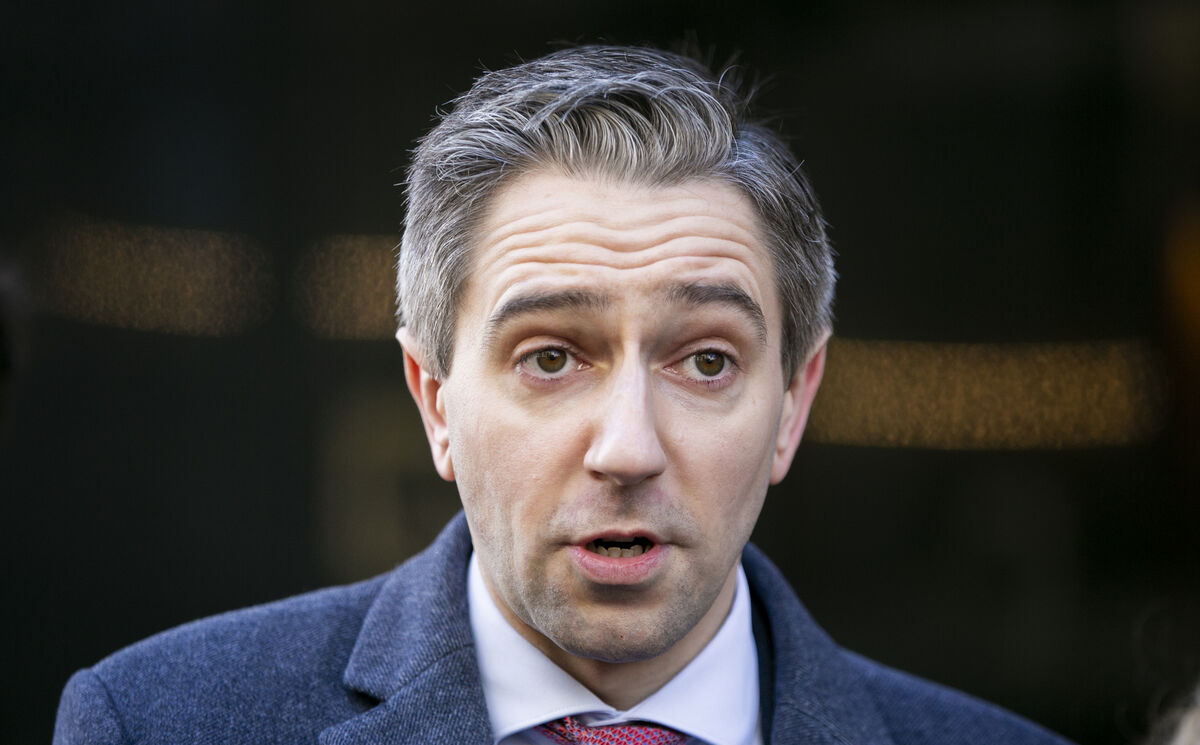
Speaking on Monday, Higher Education Minister Simon Harris stressed that 'fact-based' learning will take precedence over religion, saying no school patrons "can override fact-based discussions and science".
"I think science and fact should underpin all that we teach and all that we offer in education.
"It's obviously very important that any information being provided is done so in an age-appropriate manner... but facts are facts. I believe in providing people in our country with facts, with science.
"I very much respect the patronage system we have in place in relation to our schools... but I do believe when it comes to fact-based discussions and science, no country should be able to override that."
A source said the NCCA does not foresee the new allotted times for subjects causing major issues within schools.
As part of the broader education of pupils, the Taoiseach and the Tánaiste have both backed the inclusion of transgender identity issues in the new primary school curriculum.
Taoiseach Leo Varadkar said transgender people exist and it makes sense in schools to inform children about the world around them, but he said a parental opt-out should be considered.
Tánaiste Micheál Martin was been critical of the stance taken by the Catholic Primary Schools Management Association (CPSMA), which has signalled its opposition to the inclusion of transgender issues.
The CPSMA, which provides advice and support for chairpersons, principals, and boards of management in over 2,800 primary schools, wrote to Ms Foley and Children's Minister Roderic O'Gorman saying that any decision to teach primary school children about transgender issues “would be counterproductive, generating unnecessary divisions in school communities where none now exists”.
CONNECT WITH US TODAY



Be the first to know the latest news and updates