Taoiseach, Tánaiste back trans issues in primary school curriculum
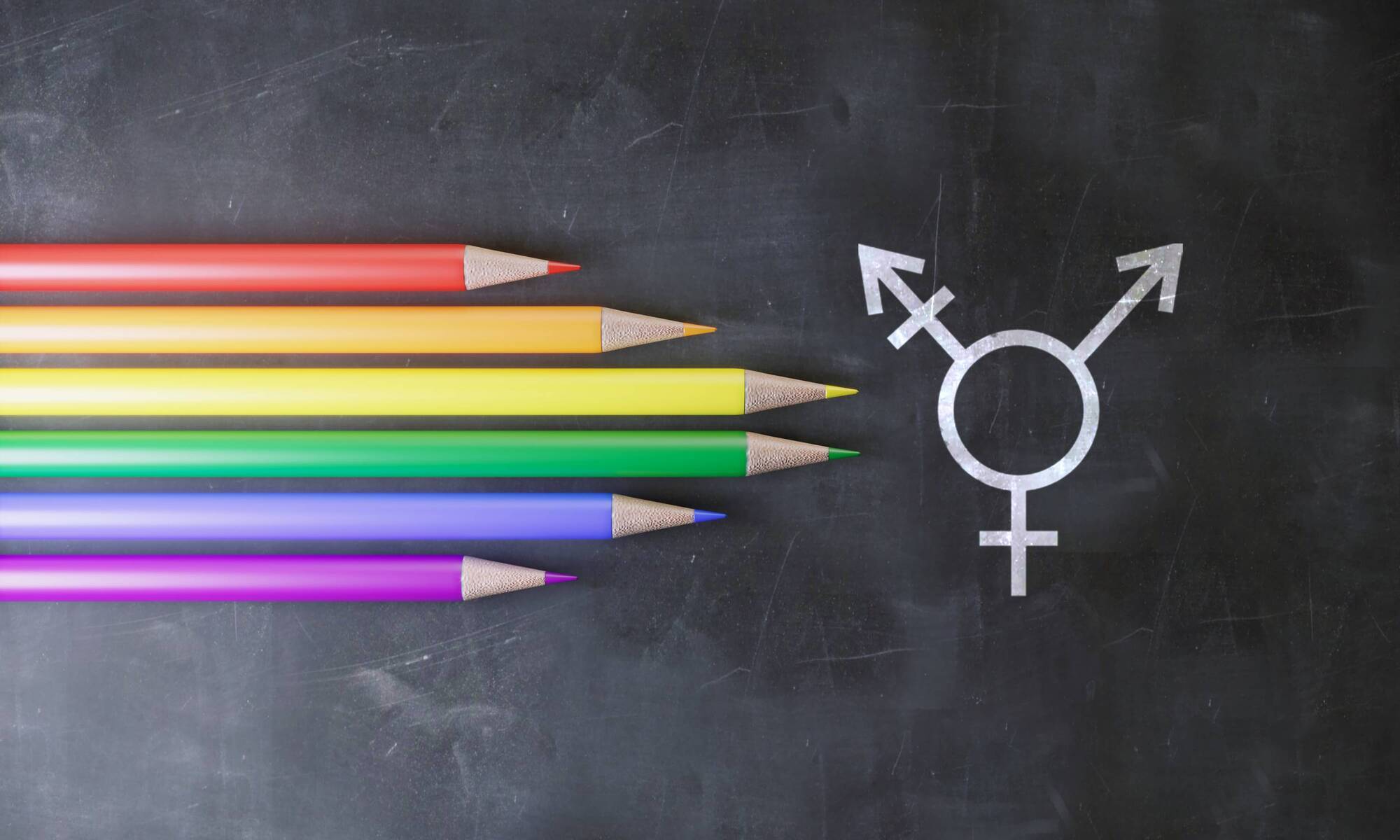
BeLonG To, the organisation representing LGBT young people, expressed disappointment at the CPSMA’s stance. File picture
The Taoiseach and Tánaiste have both backed the inclusion of transgender identity issues in the new primary school curriculum — setting them on a collision course with primary school managers.
Taoiseach Leo Varadkar said transgender people exist and it makes sense in schools to inform children about the world around them, but added that a parental opt-out should be considered.
Tánaiste Micheál Martin was critical of the Catholic Primary Schools Management Association’s (CPSMA) opposition to the inclusion of transgender issues in the new course, describing its letter setting out its stance as “not the way to deal with these issues”.
They were both questioned about the issue after the CPSMA, which provides advice and support for chairpersons, principals, and boards of management in over 2,800 primary schools, wrote to Education Minister Norma Foley and Children's Minister Roderic O'Gorman saying that any decision to teach primary schoolchildren about transgenderism “would be counterproductive, generating unnecessary divisions in school communities where none now exists”.
The CPSMA claimed that such a move might add to what it described as “a growing psychological contagion amongst young and vulnerable children”.
The body said “the science is far from settled on this matter” with “no scientific consensus on the cause (or causes) of gender dysphoria”, and it cited “an intense international debate on the appropriate treatment of children with gender dysphoria”.
It said the “affirmative care model has recently been rejected in Sweden, Finland, the Netherlands, and the UK” while there was “mounting evidence of psychological contagion”, referencing figures from the UK where the numbers of children referred to the Gender Identity Development Service there rose from 50 a year in 2009 to 2,500 in 2020.

Mr Varadkar said he is in favour of primary school children being taught about such matters.
“It doesn’t have to be a value judgment as to whether it’s right or wrong," he said.
“But you know, it just makes sense to me that education is about teaching children about the real world, and trans people exist in the real world.
“So why not just give them information or facts? Parents know what’s best for their kids. And I think we do need to respect parental choice when it comes to them guiding what’s best for their children."
Mr Martin criticised the CPSMA’s letter and said: “I think letters of that kind are not the way to deal with these issues. I think that there has to be sensitivity around this and the broader context is the Relationships and Sexuality programme which is in our primary schools.”
BeLonG To, the organisation representing LGBT young people, expressed disappointment at the CPSMA’s stance.
Chief executive Moninne Griffith said children as young as six and seven can know that they are LGBT, and educating children about trans issues could help trans children “feel safe and included in their school”.
“We know from research that 12 is the most common age for a young person to know they are LGBT, but I know from talking to teachers and parents all over the country that there are young people, as young as six and seven, who know they are LGBT,” she said.