Benylin, antibiotics, and asthma inhalers among 247 medicines in short supply in Ireland
Benylin, antibiotics, and asthma inhalers among 247 medicines in short supply in Ireland

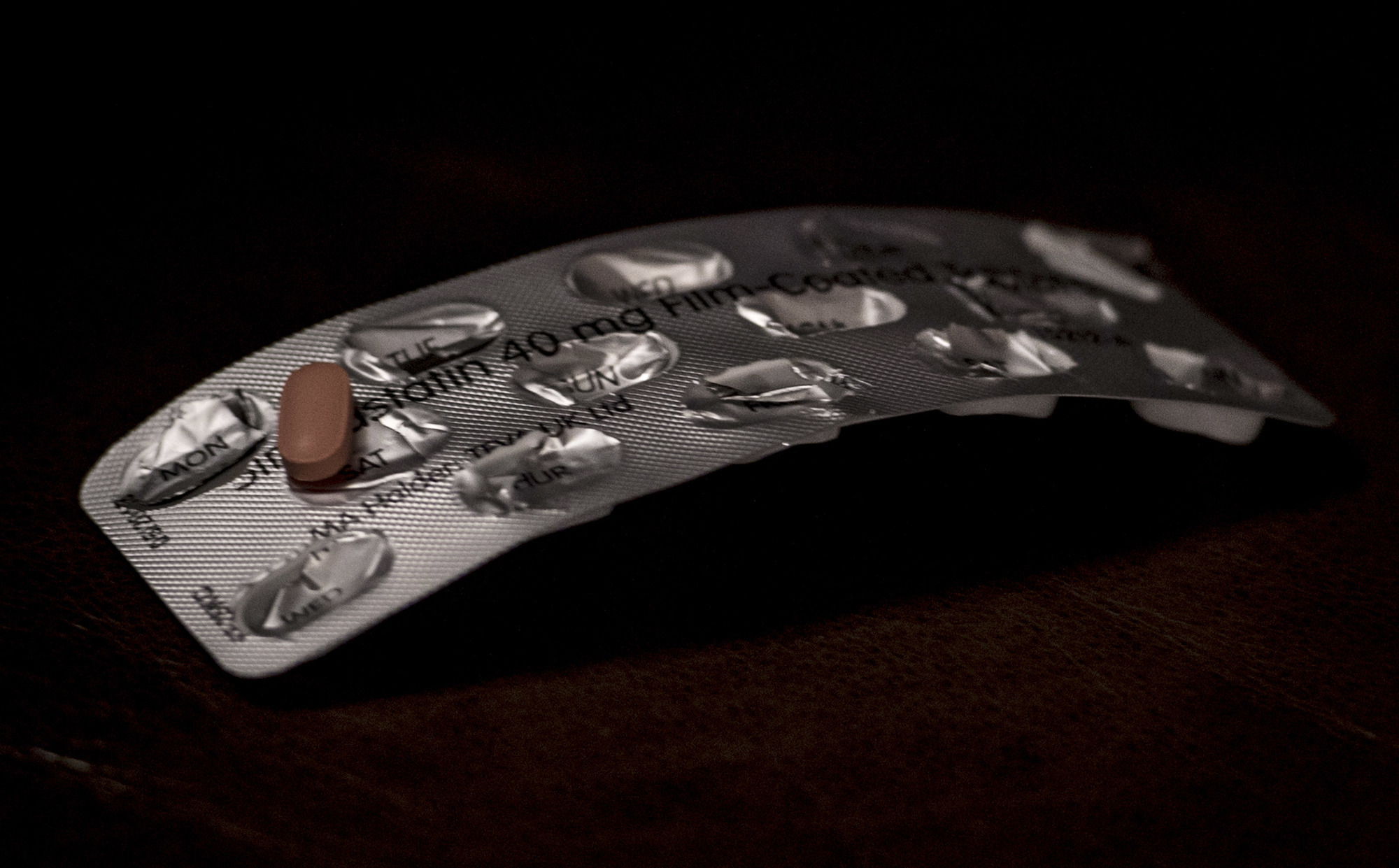
Common medicines such as nasal sprays, inhalers for asthma treatment, and 11 eye drop products are also in short supply. Stock picture

Penicillin and Benylin are among 247 medicines in short supply across Ireland.

According to the latest Medicine Shortage Index, the extent of the medicine shortage is rapidly rising, with a 38% increase in demands since the index began in October.

With almost 250 medicines out of stock for patients, 13 of which are categorised on the World Health Organization ‘critical medicines’ list, the shortage may have serious implications for patients.

According to the latest figures, an additional 19 medicines are in short supply since the end of last month.

Common medicines such as nasal sprays, inhalers for asthma treatment, and 11 eye drop products are affected.

Other products affected are used to treat epilepsy and high blood pressure.

The shortage has also caused difficulties in sourcing antibiotics such as Amoxicillin and Penicillin and commonly used over-the-counter medicines including Benylin and Dioralyte.

Sandra Gannon, the managing director of Azure pharmaceuticals, which manufactures older off-brand medicines, said: “Ireland must emulate other countries by increasing medicine prices in order to prevent the products from running out.

Other European countries have already recognised this fact and taken measures to mitigate against situations where their stocks run out. 

"For example, Portugal recently raised its pricing by up to 5% for cheap medicines.”

“Weaknesses in the supply chain alone highlight the imperative of revisiting the pricing framework for medicines to protect supply of stock and protect Irish patients,” Ms Gannon added.

Portugal, the UK, Germany, and Switzerland have all taken a range of price related policy measures in response to the problem, including price increases for cheaper medicines, she said.

Azure's managing director Sandra Gannon: '[S]hortages are not only occurring as a result of exceptional circumstances. There are systemic factors that need resolution.' Picture: azure-pharma.com

In response to previous shortages, the Health Products Regulatory Authority (HPRA), has advised patients to seek advice from their GP on an alternative “strength, size, or pack form” of their chosen medicine which may be available.

“Your doctor or pharmacist will often be able to supply an alternative strength, form, or product to ensure continuity of treatment if the medicine you have been taking is unavailable.”

Last month, the Irish Examiner reported that the Department of Health had met with key stakeholders in the health sector to try to address the ongoing medicines shortage.

Health Minister Stephen Donnelly acknowledged that the shortage issue is being mirrored across EU countries.

The HSE has established an incident management team (IMT) to address antibiotic shortages.

Ms Gannon said this is not a “once-off problem”.

“Medicines shortages are not just winter-specific, and shortages are not only occurring as a result of exceptional circumstances. There are systemic factors that need resolution.”

“Each patient has different needs and reducing the problem down to exceptional circumstances alone diminishes the quality of life impact that each patient experiences with their illness," she added.

x

More in this section

Lunchtime News

Newsletter

Keep up with stories of the day with our lunchtime news wrap and important breaking news alerts.

Cookie Policy Privacy Policy Brand Safety FAQ Help Contact Us Terms and Conditions

© Examiner Echo Group Limited