A 10th disease added to heel prick test screening
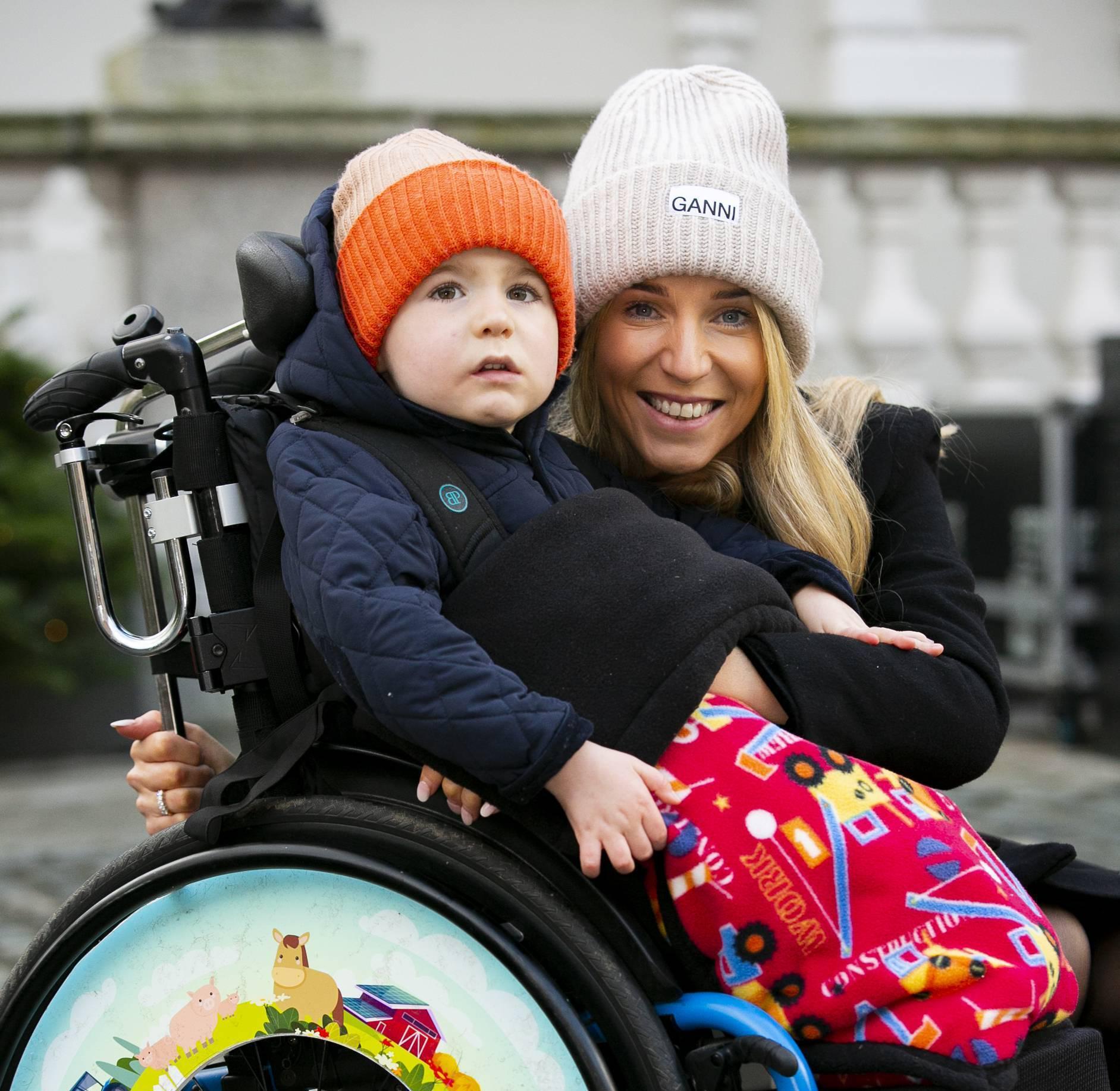
Three-year-old Dan Donoher, with his mother Laois GAA footballer Aisling Donoher, at Mansion house, Dublin, calling on Government to include SMA in the heelprick test given to all newborn babies. Dan was diagnosed after birth, but this short delay in diagnosis has had a significant impact on his health and abilities. Picture: Gareth Chaney
A 10th disease has now been added to the National Newborn Bloodspot Screening Programme, which done through a heel prick test.
An eleventh condition is also under scrutiny for addition later this year.
Health minister Stephen Donnelly on Wednesday approved a recommendation from the National Screening Advisory Committee (NSAC) to add a group of conditions known as Severe Combined Immunodeficiency (SCID).
“I am acutely aware of how difficult it is for parents whose children have received a diagnosis of a rare disease, and how challenging daily life can be for them and their families,” he said.
SCID is a group of rare inherited conditions that are commonly fatal during the first year or two of a child’s life, without appropriate treatment.
International evidence consistently suggests earlier identification and treatment results in children having a better quality of life.
The estimated prevalence of diagnosed SCID here is relatively high, at 1 in 39,760 births. Some 27 were diagnosed between 2005 and 2020.
NSAC has also asked health watchdog Hiqa to carry out an assessment on adding Spinal Muscular Atrophy (SMA).
The minister expects to receive its recommendation “later this year”.
Advocates have previously criticised the slow pace of adding conditions to this list, in comparison with other EU countries.
During an event in the Mansion House calling for SMA checks to be added, data presented by global consulting firm Charles River Associates showed over 18 months, Ireland added one condition to screening while on average European countries added or planned to add three.
CONNECT WITH US TODAY



Be the first to know the latest news and updates