Irish immigration policy 'a disincentive for highly skilled people'
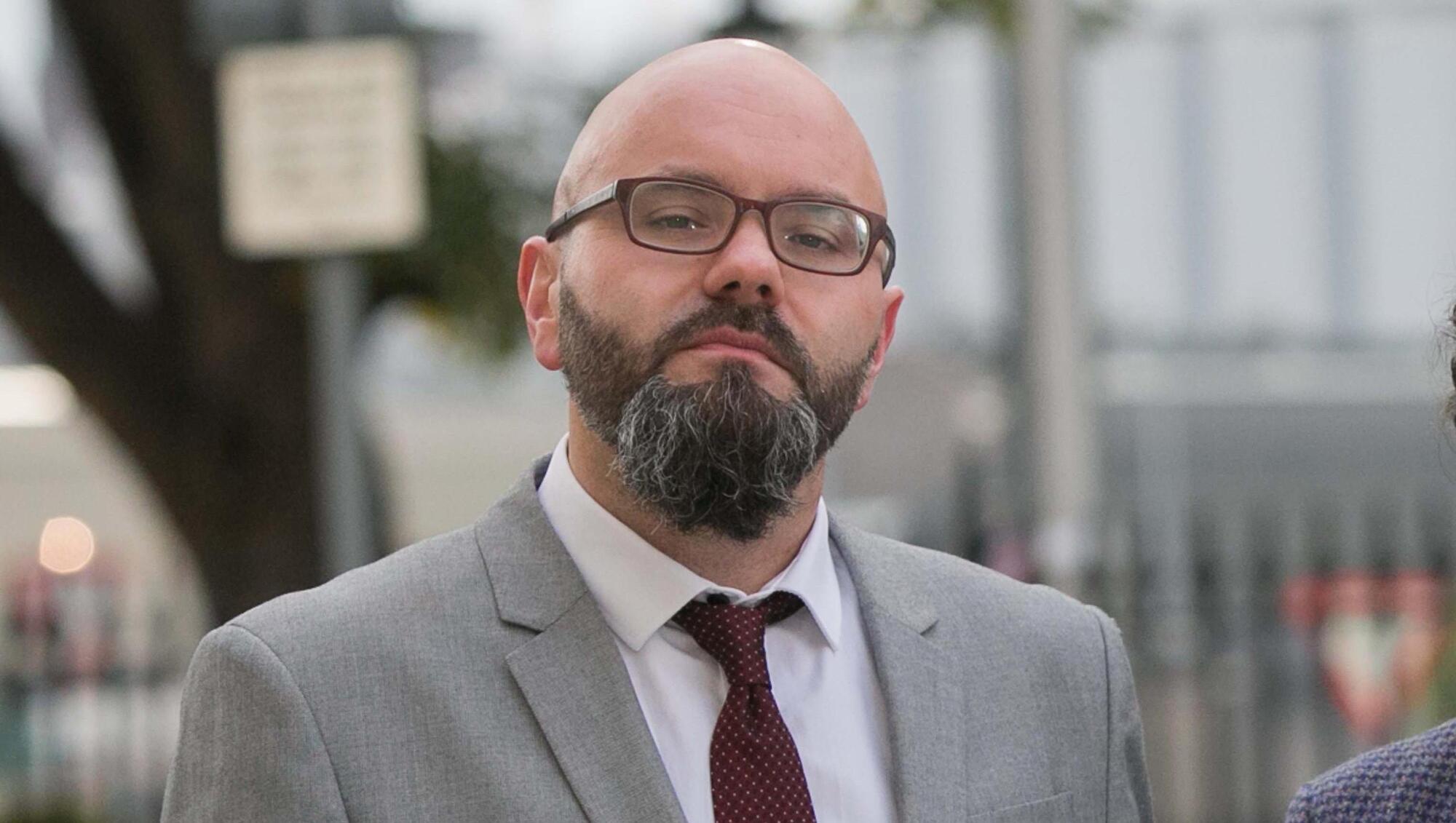
Policies on family reunification in Ireland have 'long been very problematic', according to Immigrant Council of Ireland CEO Brian Killoran. Picture: Gareth Chaney Collins
Ireland’s immigration policy when it comes to family members is a disincentive to researchers interested in studying here, leading us to lose out on highly skilled people, according to Irish Immigrant Council chief executive Brian Killoran.
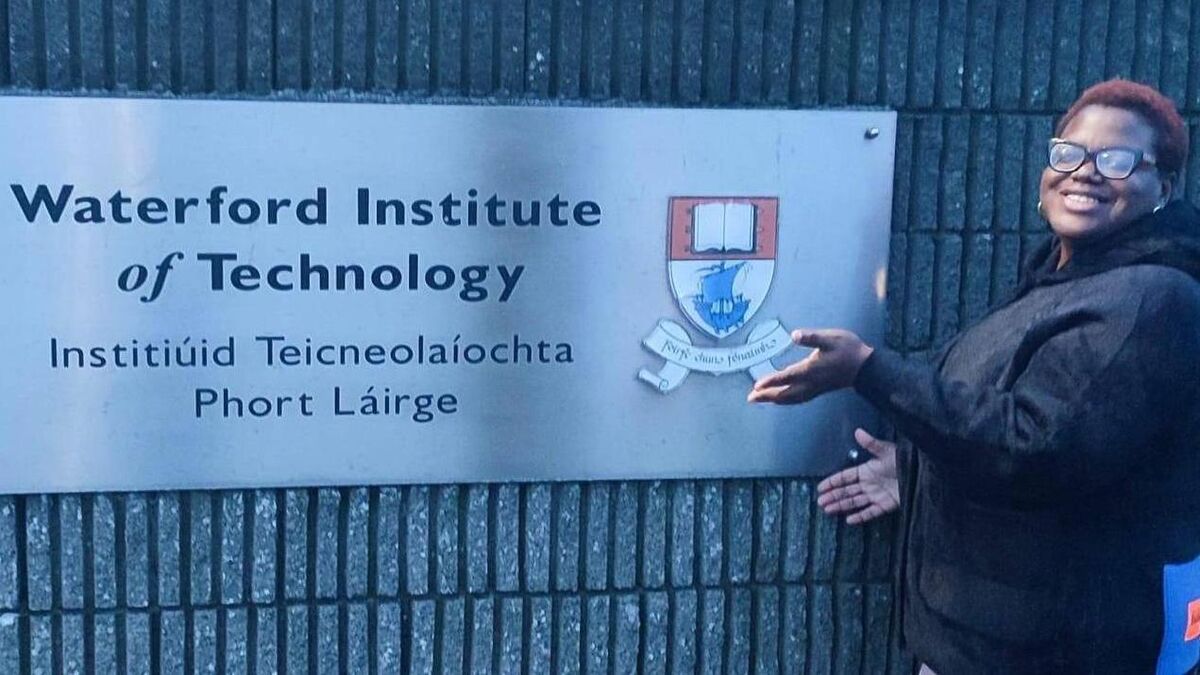
He was speaking after the reported on the case of Ola Abagun, who was forced to withdraw from her fully-funded PhD studies here after she was asked to show €107,000 in funds to secure family visas or face leaving her young daughter and husband in Nigeria for four years.
The Irish Immigrant Council does not comment on the particulars of individual cases, but Mr Killoran said that, in general, the policies on family reunification in Ireland have “long been very problematic".
"There have been a couple of instances where someone gets refugee status, for example, that there’s a limited legal right to be reunited with your family," he said.
“People go into the process seeing that there are criteria, but the criteria can be vague. Within it, as well, are quite high thresholds for resources.”
Speaking to the last week, Ms Abagun said that if her husband, an avionics engineer, had been granted a visa, he would have been prohibited from working here.
“He would have been useless in Ireland for four years to support me to do my research," she said.
Mr Killoran said that anyone coming here to join a student is entering into an agreement with the State that they will be completely dependent on the student and will not have any access to the labour market.
“The higher level of resources is beyond the reach of most people, never mind most students,” he said.
"It can be a disincentive to someone deciding to come at all, so we may be losing out on very highly skilled people who can contribute great things to Ireland because they are not confident they are able to come here as a family unit.
The Department of Foreign Affairs, the Higher Education Authority, and the Department of Further and Higher Education declined to comment when contacted in relation to Ms Abagun’s case, referring the matter instead to the Department of Justice.
The Department of Justice said it does not comment on individual cases. A spokeswoman said, in general, that the application process for PhD programmes is managed by EURAXESS Ireland, which processes hosting arrangements for researchers.
“Where a person is successful with their hosting agreement application, they and their family members are granted a visa and immigration permission on arrival in the State," she said.
“The partner of the person on the hosting agreement will be awarded a Stamp 1G which will allow them to reside in the State and to take up employment without the need to make an application for a work permit.
"The department has recently checked with EURAXESS Ireland, who have advised that there is no significant delay in the processing of applications or renewals of contracts, with eligible participants with most applications dealt with in a matter of days.”


CONNECT WITH US TODAY



Be the first to know the latest news and updates