Cork and Waterford among worst-hit counties in most recent spike of Covid
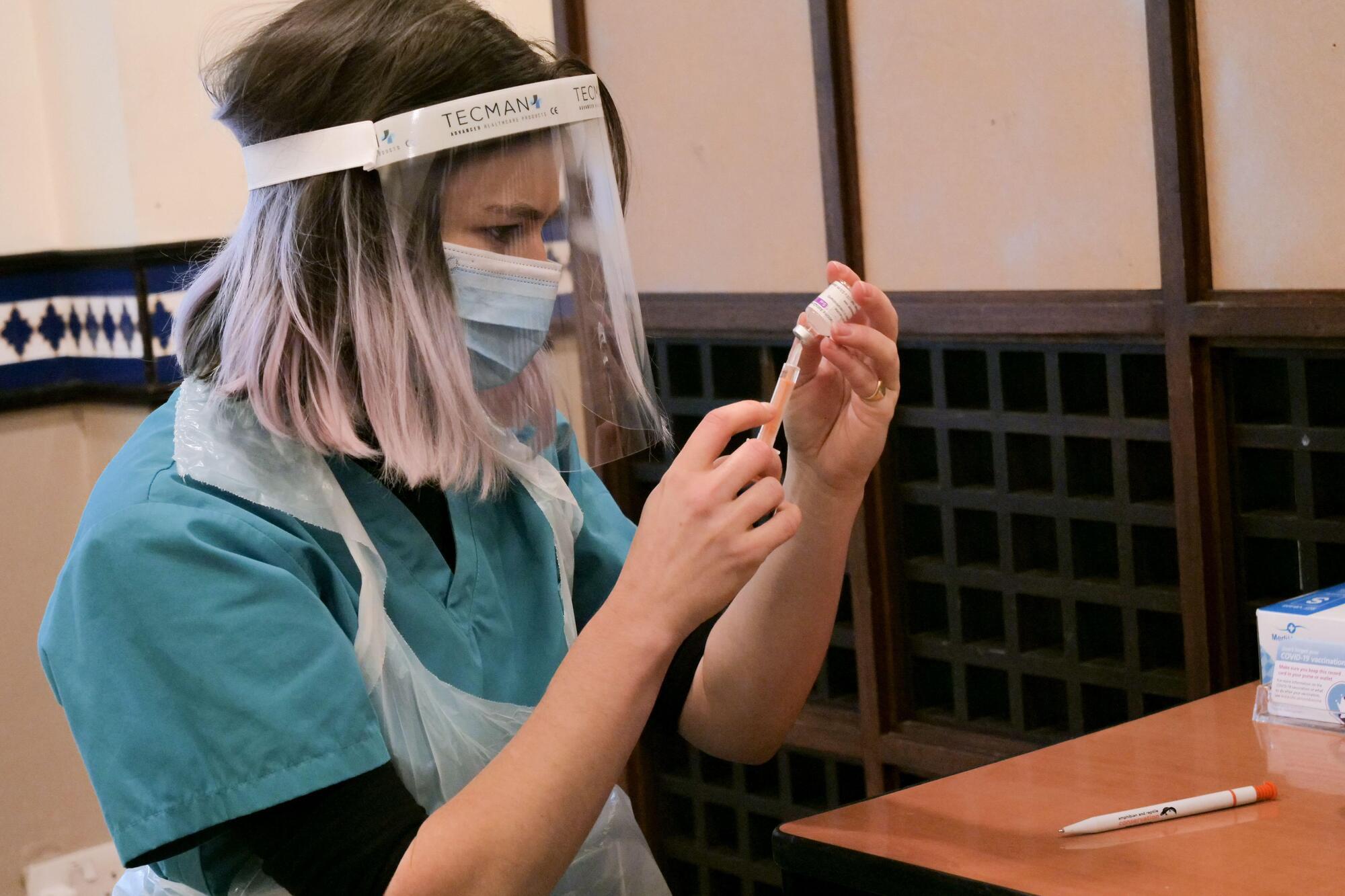
As childhood illnesses also circulate, including Strep A, the HSE’s National Immunisation Office (NIO) has urged people to get their kids the flu vaccine.
Cork and Waterford are among the worst impacted counties by a recent rise in Covid-19 cases, as the overall number needing hospital treatment hits 703 people nationwide.
The spike in Covid hospitalisations comes as parents are urged to have children vaccinated against the flu, as it may also help prevent Strep A infections.
While Covid hospitalisations remain lower than previous peaks, concern is growing at the recent sharp increase in cases and the number needing help with severe illnesses. The number of patients in intensive care units has increased to 32.
Cork University Hospital is caring for 55 Covid patients and Waterford University Hospital for 53, according to new HSE data, with St James Hospital in Dublin the worst affected, treating 67 patients.
Hospitals in other areas are also affected, with 24 Covid patients at University Hospital Limerick and 20 in the smaller Tipperary University Hospital. University Hospital Kerry (12) and the Mercy in Cork (19) are also under pressure.
The HSE has encouraged open windows in enclosed spaces, as well as asking people with symptoms to stay at home, with mask-wearing also advised for public transport.
As childhood illnesses also circulate, including Strep A, the HSE’s National Immunisation Office (NIO) has urged people to get their kids the flu vaccine.
"Data from the UK over a four-year period suggests that the nasal flu vaccine may also help prevent Strep A infections in children," the NIO said.
A pre-print study by the UK Health Security Agency looked at the impact of flu vaccinations on levels of Strep A and the rare form known as iGAS (invasive group A Streptococcus).
They said: "Our study suggests that vaccinating children with LAIV (paediatric live attenuated influenza vaccine) may reduce the incidence of GAS infections, including potentially life-threatening iGAS infections."
The iGAS led to four children’s deaths in Ireland this year, including a fourth-class girl in Cork last week. The UKHSA reported 21 deaths among under-18s up to mid-December. While most children experience a fairly mild illness, Irish health authorities are monitoring close contacts of iGAS cases and antibiotics may be prescribed.
Meanwhile, GPs have been told in a joint letter from the Irish Medical Organisation (IMO) and the HSE that they should work longer daily shifts and on Saturdays for the next four weeks to cope with the surge in respiratory illnesses.
General Practitioners nationwide received the letter by email on Friday evening just hours prior to going on Christmas leave, or starting emergency cover for the festive period.
However, hundreds of GPs countrywide have said they were never consulted about the move which kicked in on St Stephen’s Day and lasts until February 3 next year. GP Co-ops offering out-of-hours services, including Southdoc in Cork and Kerry, will operate these additional hours until February 28.
The IMO claims 500 GPs have already signed up to the extra hours which means working from 5pm to 7pm three days a week and from 9am to 1pm on Saturdays.
CONNECT WITH US TODAY



Be the first to know the latest news and updates