Numbers of sexually transmitted infections back to pre-Covid levels
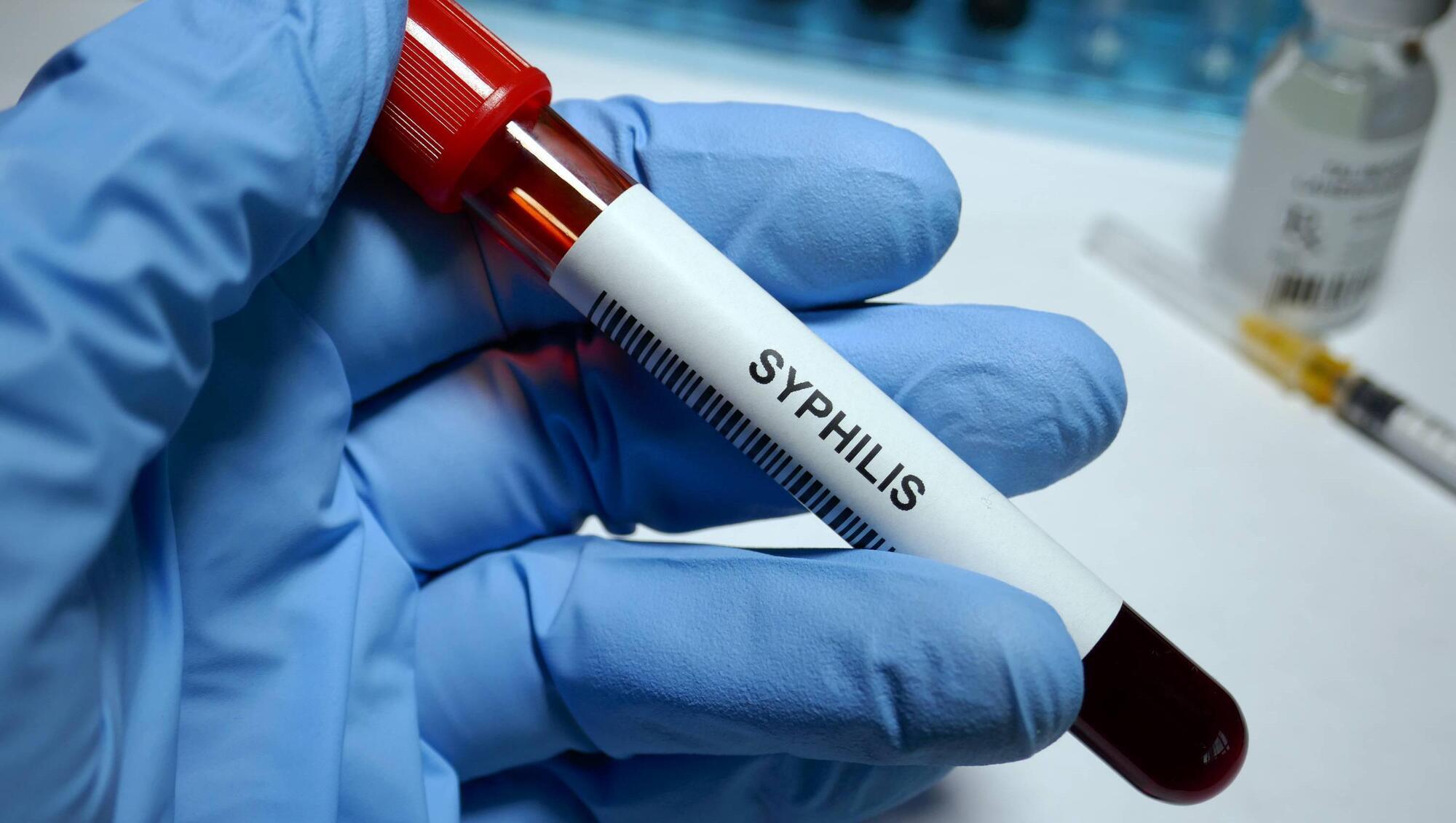
Preliminary data from the Health Protection Surveillance Centre show notifications of sexually transmitted infections in people between the age of 20 and 24 are now showing an increase when compared to 2019. File picture: iStock
Infections of human immunodeficiency virus (HIV), syphilis, gonorrhea and chlamydia in people of typical college-going age have returned to pre-pandemic levels.
Preliminary data from the Health Protection Surveillance Centre (HSPC) show notifications of sexually transmitted infections (STIs) in people between the age of 20 and 24 are now showing an increase when compared to 2019.
The increase is likely to have been influenced by a combination of factors, including the lifting of pandemic restrictions, and the resumption of normal social interaction and sexual activity.
In recent months, a free national home testing service was extended to every county.
Data provided by the HPSC shows there has been a 45% increase in the number of recorded HIV cases in people of typical college-going age between January and the beginning of December.
This is when compared to the number of cases recorded in this age group in 2019. By the beginning of December, 45 cases had been notified, compared to 31 in 2019.
HIV testing is available in many healthcare settings including STI clinics, GPs, and student health services.
HIV can be treated effectively with antiretroviral medications, and people with HIV on effective treatment can live a long and healthy life and cannot transmit HIV to their partners.
Figures from the HSPC also show there has been a 17% increase in early infectious syphilis (EIS) and a 52% increase in gonorrhoea in the 20 to 24 age group when compared to 2019.
In 2022, the number of cases of recorded EIS in this age group stood at 91, compared to 78 in 2019. The HPSC recorded 986 cases of gonorrhea so far in 2022, compared to 649 in 2019.
There has also been a 15% increase in the number of recorded chlamydia cases so far this year when compared to 2019. In 2019, the HPSC recorded 3,623 cases, compared to 4,177 to date in 2022.
Chlamydia is the most common STI reported in Ireland and it can lead to pelvic inflammatory disease (PID) in women. PID is associated with an increased risk of tubal factor infertility, ectopic pregnancy, and chronic pelvic pain.
Cork and Kerry students were recently alerted to a “significant increase” in the rates of STIs recorded in the region. Students last week were contacted to raise awareness of STIs and how to prevent them.
Dr Peter Barrett, a public health consultant in the region, previously told the that the increase was most likely due to a combination of factors.
“It could be a combination of reduced access to testing during the height of the pandemic, but also an increased access to testing now,” he said.
Free anonymous home testing is available to anyone aged 17 or over from www.sh24.ie.
Having anonymous home-based testing is “brilliant”, Dr Barrett added. “It's a good thing that’s helping us to pick up more cases.”