Governments to thrash out crucial biodiversity strategy at Cop15 conference
Governments to thrash out crucial biodiversity strategy at Cop15 conference

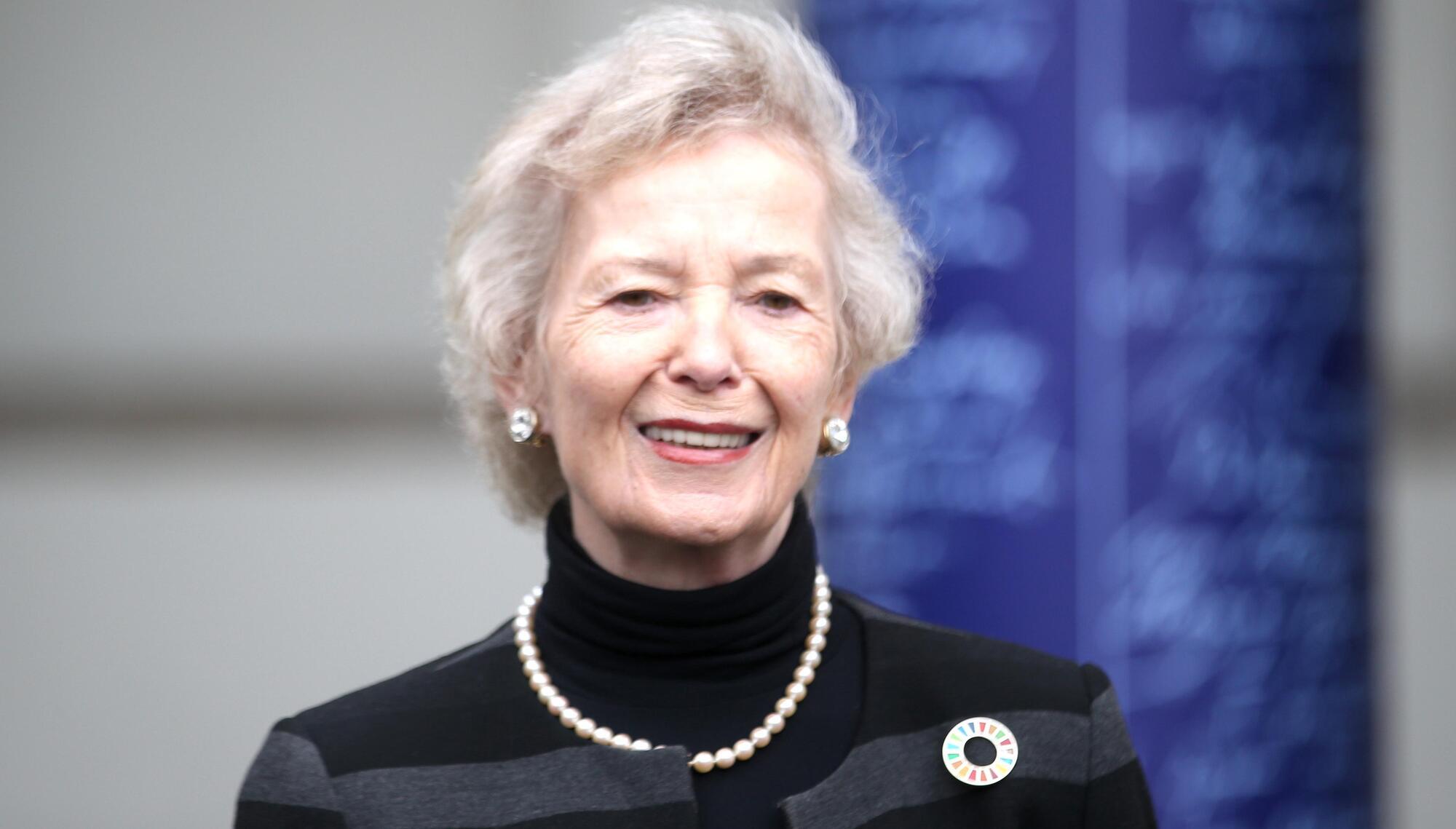
Former Irish president Mary Robinson last month urged world leaders to take the Cop15 summit more seriously, with the perception that it has not received the same recognition as the Cop climate change summits. File picture: Stephen Collins/Collins Photos

Ireland will send a delegation including Heritage Minister Malcolm Noonan to a UN biodiversity summit in Canada this month that has been described as a potential Paris Agreement for nature.

The Cop15 event in Montreal is expected to see countries from around the world thrash out new agreements on nature and biodiversity, which is going through an unparalleled modern crisis, with around a million species under threat of extinction.

The likes of former Irish president Mary Robinson last month urged world leaders to take the Cop15 summit more seriously, with the perception that it has not received the same recognition as the Cop climate change summits, such as Cop27 which took place in Egypt last month with world leaders in attendance.

It has now been confirmed that a number of people will be attending from the Department of Housing and the National Parks and Wildlife Service, along with Mr Noonan, who will be there from December 11 to 16.

The UN has said "the stakes could not be higher in Montreal", with many issues to be negotiated. The draft framework includes over 20 targets from proposals to reduce pesticide use, address invasive species, reform or eliminate subsidies that are harmful to the environment and increase financing for nature from both public and private sources, it said.

Founder and executive director of environmental non-profit organisation Canopy, Nicole Rycroft, told the Irish Examiner that the event will be crucial for forestation targets. There is a direct overlap between carbon storage and biodiversity with the world’s primary forest landscapes, she said.

"Conserving forests is identified as one-quarter of the climate solution and these forests are home to the vast majority of the world’s terrestrial biodiversity.

Protecting the world’s primary forests is the fastest, cheapest, most effective - and proven - way to help stabilise our climate.

"Scientists recommend that we protect 30-50% of the world’s remaining forests and oceans by 2030 in order to maintain species’ populations and meet the critical 1.5C threshold," she said.

The 2015 Paris Agreement set the 1.5C temperature increase limit goal that scientists say is necessary to avoid the worst fall-out from climate change. Ms Nycroft said Cop15 must secure commitments by global governments to strong targets that protect all remaining intact habitats, restore key degraded landscapes and ecosystems.

Supporting Indigenous Nations in stewarding conservation is key to stemming the precipitous decline in biodiversity, she added. "We share our planet with 70% less animals than we did in the 1970s - turning that trend around demands a robust, coordinated global effort."

One of the most important targets to look for at Cop15 is whether all parties formally adopt the proposed goal of protecting at least 30% of the world's forests and oceans by the end of the decade, according to the Australian conservation expert.

"Currently this goal is in the draft text, but formal adoption is not assured. Having this goal enshrined in the new global framework sets the minimum level of ambition needed and will set us on the pathway towards reaching 50% as proposed by Nature Needs Half (an international coalition of scientists, conservationists, nonprofits, and public officials). It will also help unlock the resources needed to bring it to reality," she said.

More in this section

Lunchtime News

Newsletter

Keep up with stories of the day with our lunchtime news wrap and important breaking news alerts.

Cookie Policy Privacy Policy Brand Safety FAQ Help Contact Us Terms and Conditions

© Examiner Echo Group Limited