What does it cost to boil the kettle and how much is my wifi router costing me?
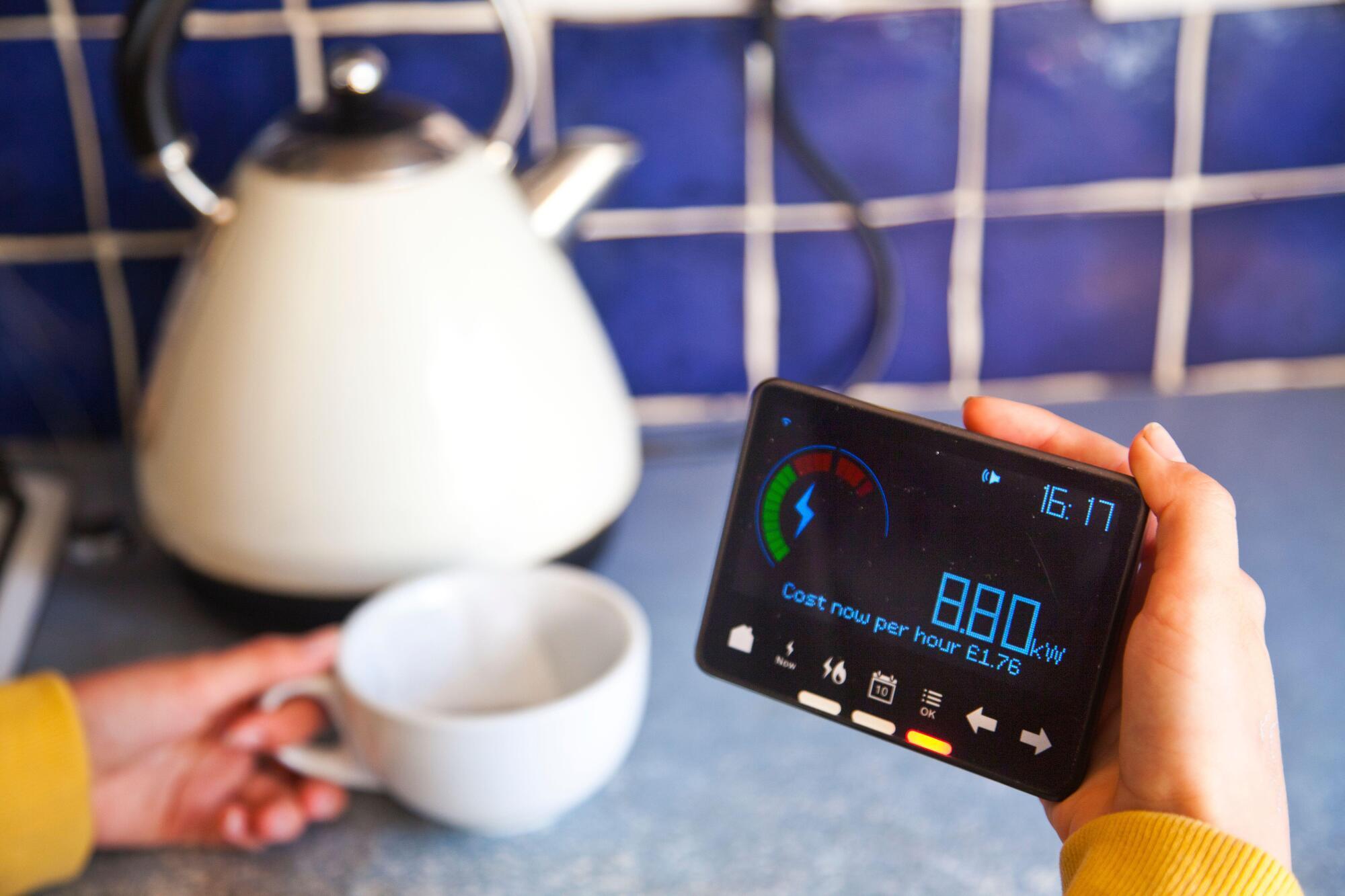
The Government has published a new booklet aimed at giving practical advice on how to cut their usage and cut the cost of heating and powering their home.
How much is it costing to put the heat on? What about the wifi router — would it save money to turn it off at night? What will this wash cost?
As households all around the country look to save on their ever-soaring energy bills this winter, the Government has published a new booklet aimed at giving practical advice on how to cut their usage and cut the cost of heating and powering their home.
The guide was compiled by Professor Aoife Foley, an expert in energy systems engineering, along with her research team at Queen’s University Belfast.
“Based on our figures, a family of four could be spending as much as €25 per day on electricity, gas, and home heating,” she said. “Over a standard winter monthly billing period, this could exceed a cost of €700.”
A native of Boreenmanna Rd in Cork, Prof Foley said that “never have we seen such dramatic price changes” in energy due to the war in Ukraine, but for many it has just translated into huge figures at the bottom of their electricity and gas bills.
She said that consumers are often empowered in other areas, such as knowing how many minutes are left on their mobile phone plan, but not when it comes to tariffs, payments, and standing orders related to energy bills.
“The kilowatt hour is such an abstract unit,” she said. “It’s completely disjointed, all you see is the money figure. We thought it’d be good to do a 13-point plan with a graphic that would simply explain to people what would be the cost of using domestic home appliances over the time somebody would use it.
“It’s trying to get a simple message across because the messages are often very complicated for the public in terms of energy savings.”
Within that €25 daily cost, Professor Foley’s team estimated nearly half of that would come from having central heating on for five hours.
She said: “Turning your heating thermostat to about 19°C, setting the hot water thermostat to about 60°C, servicing your boiler, checking that no air is trapped in your radiators, and using the correct time or volume setting to heat the water you need means you can save a few hundred euro a year for the average household in Ireland.”
Other advice in the guide includes reducing the time spent in the shower, using a lower temperature for your washing machine and dishwasher, and replacing inefficient light bulbs with low-energy LED lights.
Breaking down the cost of a single use of particular items, the researchers identified using an iron as costing 21c, a toaster costing 6c and a vacuum cleaner costing 12c. Some of the more costly items included an electric shower at €1.62, a plug-in electric heater at €1.02, and an electric cooker at €1.36.
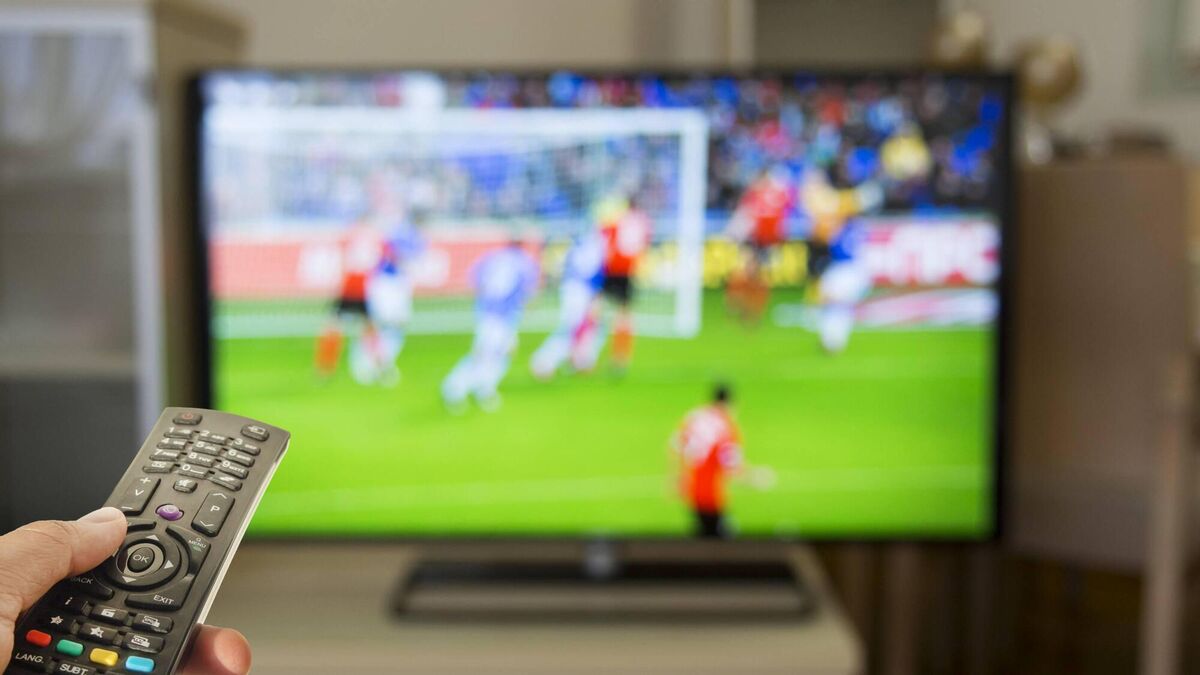
Charging a laptop for five hours costs around 11c while having your Wifi router on all day costs 6c. Having the TV on for four hours, meanwhile, costs around 10c.
With households dealing with unprecedented energy bills, Professor Foley said tips and tricks like the ones in this guide will save money for families and also reduce their energy use.
“That’ll reduce our emissions,” she said. “And that’s low-hanging fruit, and there are things that are easy to do. We have to be smart about how we see energy and how we use it.”
Energy bills have soared in recent months, with most major suppliers hiking prices on multiple occasions.
Despite government interventions, such as the energy rebates currently being issued, most consumers are still drastically worse off in terms of their energy spend than they were a year ago.
Last month, electricity bills increased by 28% on average, with electricity prices up 72% in the last year.
CONNECT WITH US TODAY



Be the first to know the latest news and updates