Climate change predicted to wipe out two-thirds of African countries' GDP by 2100
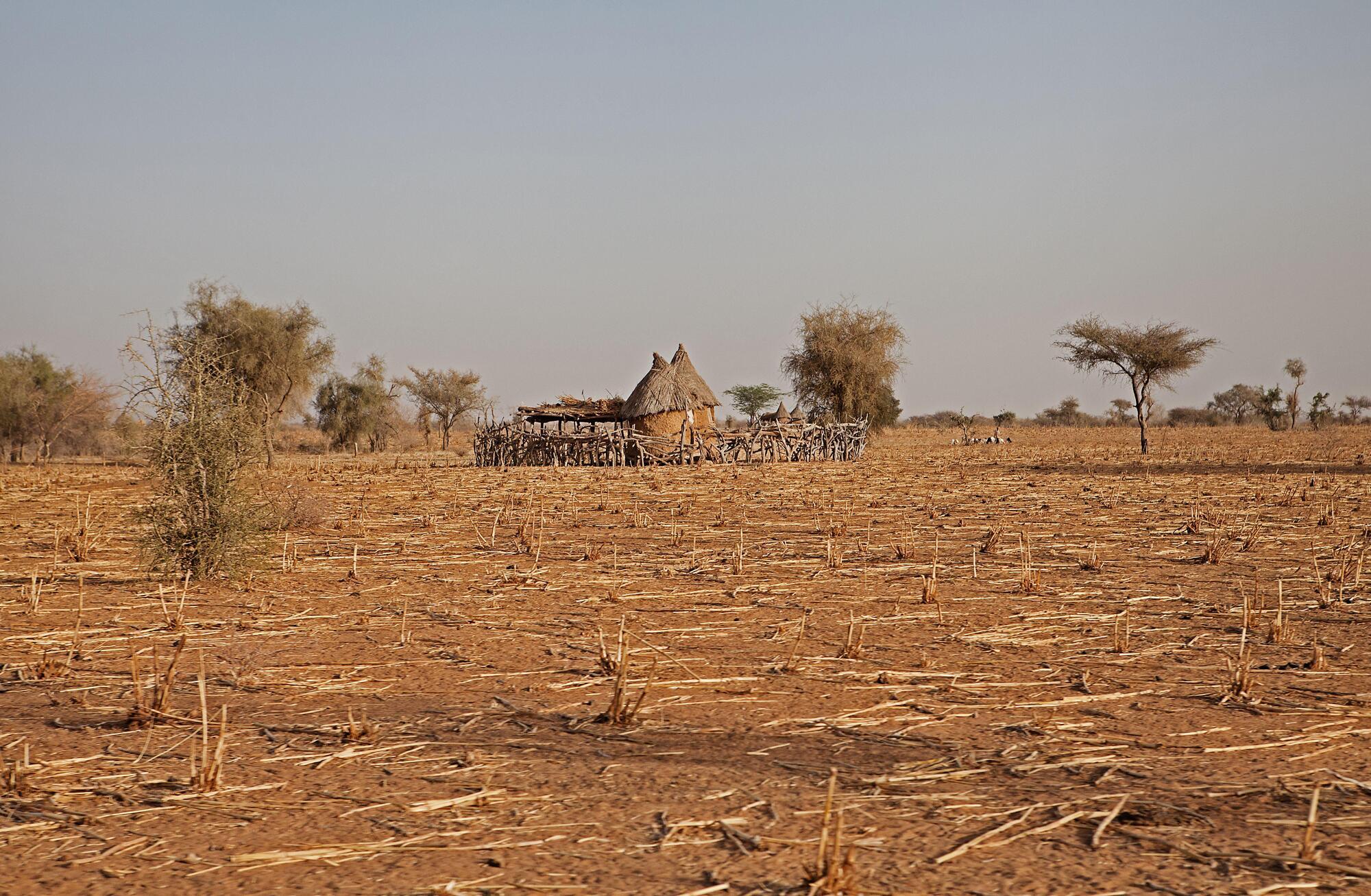
Christian Aid's analysis claimed that based on current climate policies, where global temperature rise reaches 2.7C by the end of the century, African countries can expect to suffer an average GDP hit of -20% by 2050 and of -64% by 2100.
Almost two-thirds of the gross domestic product (GDP) of African countries will be wiped out by the end of the century by the fall-out from climate change.
That "grim" prognosis is according to an analysis from the Christian Aid charity, which used methodology from 2015 peer-reviewed research into global warming and economic fall-out, to apply future projections to 2100.
Released to coincide with Finance Day at the UN climate change Cop27 summit in Egypt, Christian Aid's analysis claimed that based on current climate policies, where global temperature rise reaches 2.7C by the end of the century, African countries can expect to suffer an average GDP hit of -20% by 2050 and of -64% by 2100.
It added that even if global temperature rise stays within the 1.5C as set out in the Paris Agreement of 2015, African countries still face an average GDP reduction of -14% by 2050 and -34% by 2100.
Christian Aid Ireland’s policy and advocacy officer Ross Fitzpatrick, who is attending Cop27, said the report paints a stark picture of the punishing economic impact that rising global temperatures will have on countries across Africa.
"This is a deep injustice, especially given the continent is only responsible for less than 4% of historic global emissions. More worrying still is that these are the predicted impacts of temperature rise alone and adding extreme weather events to the mix could make these economic hits to African countries even worse.
5/6
— Christian Aid (@christian_aid) November 9, 2022
👉 Today we've released our latest report, 'The cost to Africa', highlighting the major economic impacts of the climate crisis on 50 of the 54 countries across Africa, covering over 99% of the continent’s economy.
Read the full report here: https://t.co/qmuaOO2y6w#COP27
“It’s high time that wealthy, high-emitting countries sat up and took note of the devastating impact that the climate crisis is having on African countries and developing countries further afield.
"It’s vital that wealthier countries throw everything behind getting their own emissions down, as well as step up and provide funding to developing countries for the loss and damage that they are experiencing now and will continue to experience into the future as a result of a climate crisis they did least to create.”
So-called "climate finance" and "loss and damage" have been major themes of the Cop27 event in Sharm-el-Sheikh.
Loss and damage refers to the consequences of climate change that go beyond what people can adapt to, while climate finance refers to major nations paying a fairer share towards climate change bolstering in smaller nations.
CLIMATE & SUSTAINABILITY HUB
CONNECT WITH US TODAY



Be the first to know the latest news and updates