Lack of public chargers is the main barrier putting drivers off switching to an EV – report 
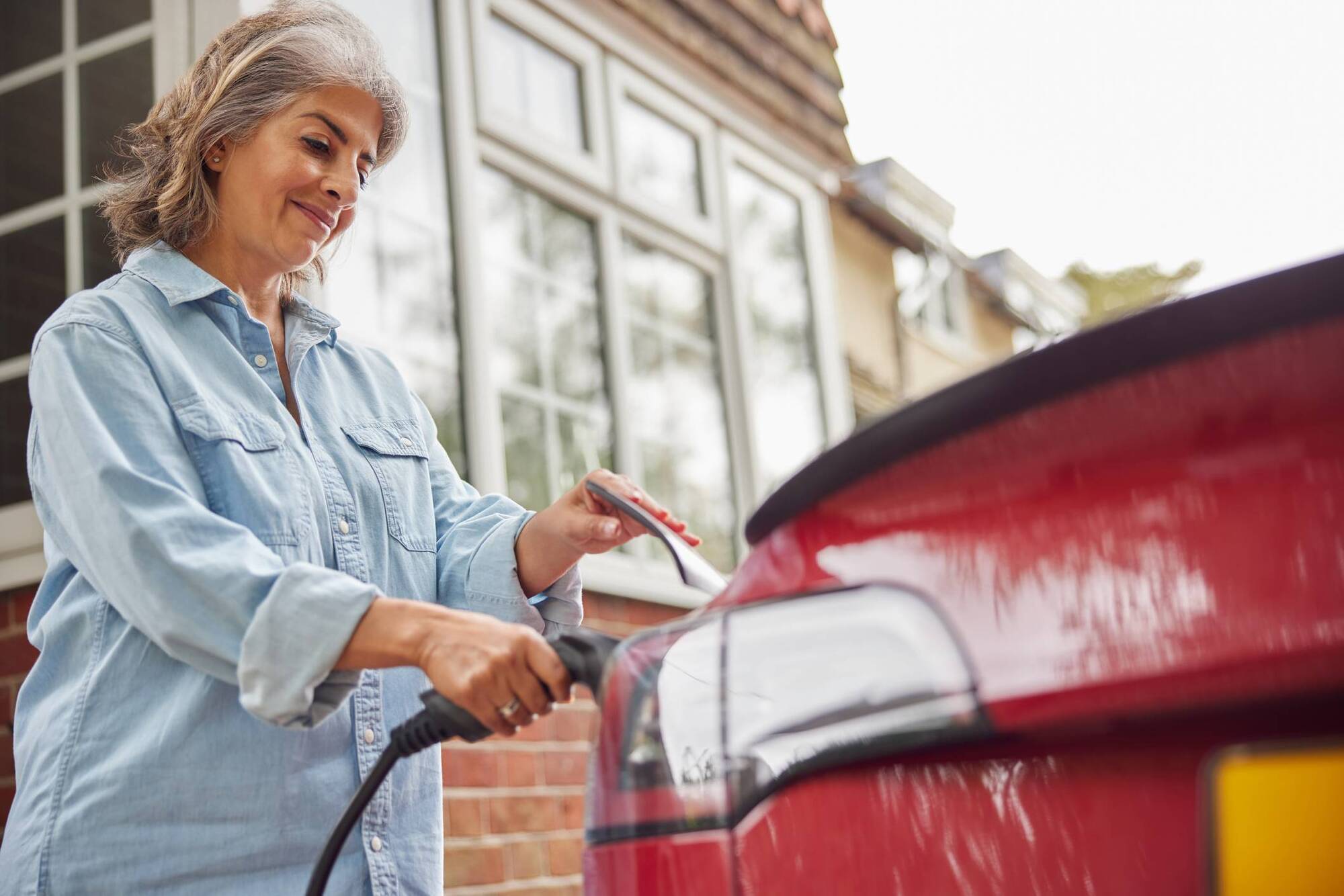
Lack of public chargers is the main barrier putting drivers off switching to an EV – report 

The paltry number of chargers in Donegal, Sligo, Mayo, Galway, Leitrim, Roscommon, Monaghan, and Cavan is putting people off buying an EV,  according to the new report. Stock picture

Lack of charging facilities remains the main barrier to would-be electric vehicle (EV) drivers in rural Ireland, a new survey of the northern and western counties suggests.

Research by the Northern and Western Regional Assembly (NWRA) found that the region — Donegal, Sligo, Mayo, Galway, Leitrim, Roscommon, Monaghan, and Cavan — has a paltry number of public chargers compared to the likes of Dublin and Cork, and the shortage of chargers has a major effect on people considering their next car purchase.

The Government has a target of one million EVs on the road by 2030 as part of its Climate Action Plan. Despite a significant uptake in sales in recent years, the numbers are still not considered to be quick enough to come near the ambitious one million target.

According to NWRA figures, the number of publicly available EV charge points in Dublin is 639, while Antrim has 240, Cork has 239, Kildare has 174, and Galway has 172. 

On the opposite end of the scale, Leitrim has a mere eight, Longford has 19, Monaghan has 24, Offaly has 27, and Fermanagh has 29.

A survey of 660 motorists found that, as well as worries about public infrastructure, motorists believe better grant aid and financial incentives are necessary to make the switch to EVs.

Economist with the NWRA, John Daly, said the rollout of publicly available EV charge points needs to be dramatically improved across Ireland if the Government is to deliver one million EVs on Irish roads by 2030, particularly in rural regions such as the north and west.

So-called range anxiety, where an EV driver’s fear that they will run out of power before reaching or returning from their destination, remains a real fear, he said.

"Policymakers may also consider enhancing EV grants as the high price of EVs was seen as the greatest barrier to purchasing an EV, while the provision of regionally targeted grants could improve the uptake of EVs in rural regions with low levels of disposable income," he added.

The NWRA called for a number of measures to improve EV take-up, including at least two publicly available EV charge points for every village and town in the region, and regionally-targeted grants for EV purchases so residents of rural regions receive higher financial incentives rates than their urban counterparts.

CLIMATE & SUSTAINABILITY HUB

More in this section

Lunchtime News

Newsletter

Keep up with stories of the day with our lunchtime news wrap and important breaking news alerts.

Cookie Policy Privacy Policy Brand Safety FAQ Help Contact Us Terms and Conditions

© Examiner Echo Group Limited