Cop27 kicks off as UN warns that rate of sea level rises is doubling
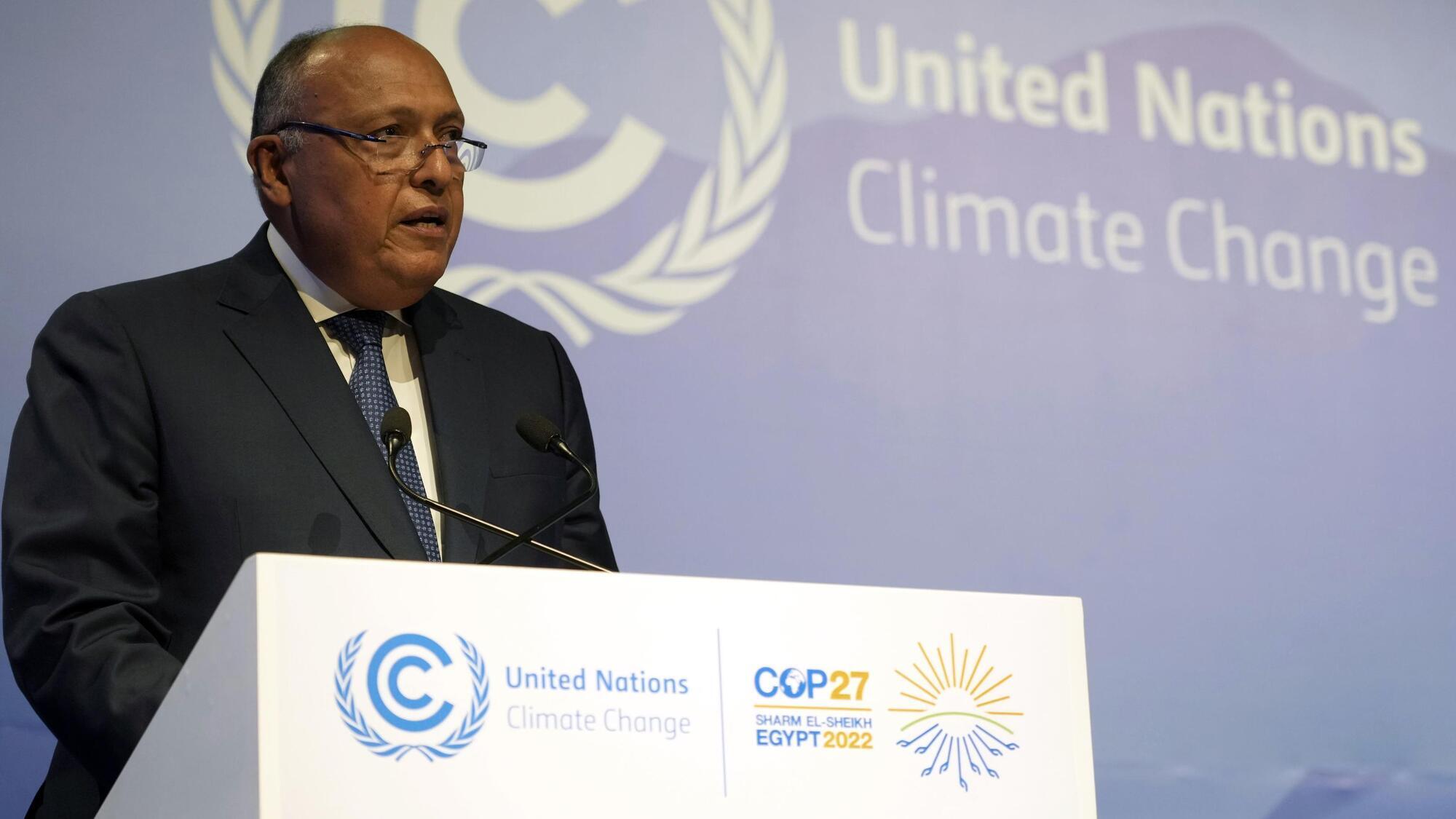
Sameh Shoukry, president of Cop27, speaking as the UN climate summit got underway yesterday, Sunday, in Sharm el-Sheikh, Egypt. Picture: Peter Dejong/AP
- The rate at which sea levels are rising has doubled since 1993, and has risen by nearly 10mm since January 2020 to a new record high this year; the past two and a half years alone account for 10% of the overall rise in sea level since satellite measurements started nearly 30 years ago;
- An “exceptionally heavy toll” was taken on glaciers in the European Alps, with initial indications of record-shattering melt;
- The Greenland ice sheet lost mass for the 26th consecutive year and in 2022 — for the first time — it rained, rather than snowed, during September.
While 2022 will likely be “only” the fifth or sixth hottest ever year, “it is only a matter of time until there is another warmest year on record”, the WMO warned.
“We have such high levels of carbon dioxide in the atmosphere now that the lower 1.5°C of the Paris Agreement is barely within reach,” WMO aecretary general Petteri Taalas said.
"It’s already too late for many glaciers and the melting will continue for hundreds if not thousands of years, with major implications for water security.

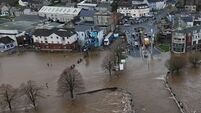
The urgency of the climate crisis has been heightened in recent months, with devastating heatwaves, droughts, and extreme weather in Europe, while Pakistan was hit with the worst floods in recent memory, with upwards of 1,700 lives lost and damage of more than €30bn.
In the past week alone, it was revealed the Europe is warming faster than anywhere else on the planet, and some of the world’s most prominent glaciers such as those at Yosemite and Yellowstone parks in the US, and on Mount Kilimanjaro in Tanzania, will disappear by 2050. The impacts are being felt domestically too, with Ireland enduring one of its warmest Octobers on record, and the Moore Park weather station in Cork recording its highest-ever rainfall for October last month.
The grim prognosis comes as world leaders including Taoiseach Micheál Martin, US president Joe Biden, and newly-installed British prime minister Rishi Sunak join other political leaders for the Cop27 summit in Sharm El-Sheikh in Egypt.
Crucially, though, the leaders of China and India, two of the world’s biggest polluting economies, will not be present, it is believed.
The disproportionate impact of climate change on smaller nations will be one of the key topics, with Mr Martin to meet Vanuatu’s newly-elected leader Ishmael Kalsakau to discuss the plight facing the Pacific island nation.
“We talk of the just transition in Ireland, where we want to bring people along through the transformation of a green economy and society, but that also applies to islands and more vulnerable nations. Loss and damage, and climate finance must be major outcomes of Cop27.”
Loss and damage refers to the consequences of climate change that go beyond what people can adapt to, while climate finance refers to major nations paying a fairer share towards climate change bolstering in smaller nations.
Opening the event yesterday, Cop27 president Sameh Shoukry said: “If adaptation is not met, if the issue of finance is not fulfilled, then we will continue to lag behind. There is no room except to move forward to obtain our objectives.”
His predecessor, Cop26 president Alok Sharma, called on countries to fulfil pledges made in the face of criticism that they are failing in their implementation.
“You made commitments to phase down coal, you made commitments to come back and revise your emission reduction targets, developed countries made commitments on more financial support to developing nations,” he said.
“We have to deliver on that. It is about the credibility of this process.”
CLIMATE & SUSTAINABILITY HUB
CONNECT WITH US TODAY



Be the first to know the latest news and updates