Researchers hopeful for discovery of new blood-clotting disorder treatment
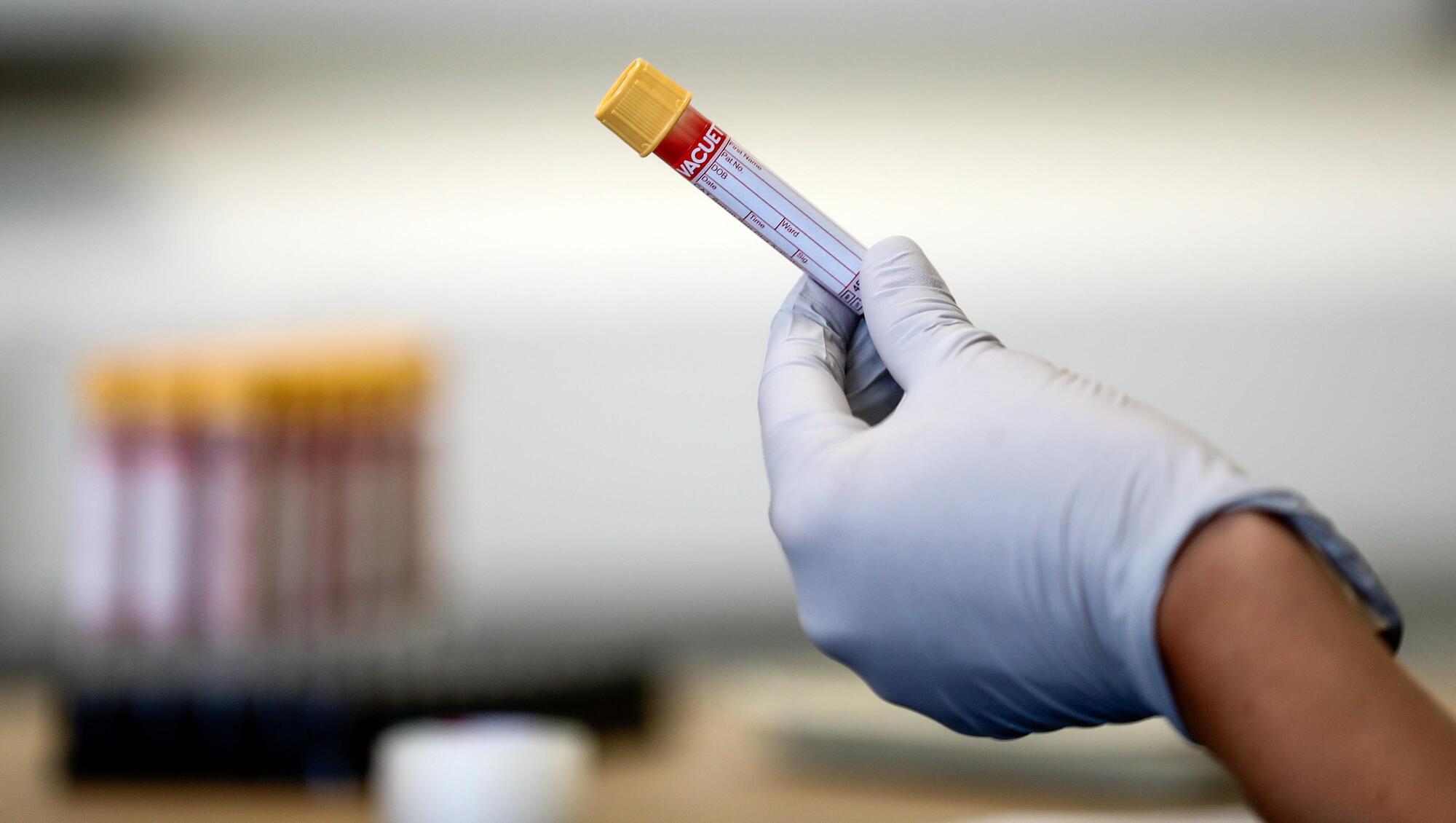
The research will help those in medical fields to further understand the role von Willebrand Factor plays in linking blood coagulation and inflammation.
Irish researchers are hopeful of finding new treatments for patients with blood clotting disorders.
The University of Medicine and Health Sciences, under the Royal College of Surgeons in Ireland, has discovered a new role for the blood-clotting protein, von Willebrand Factor (VWF), in repairing damaged blood vessels. They believe the discovery could lead to the development of new treatments.

Deficiencies of this protein occur in about 1 in 1,000 people in Ireland, leading to increased risks of serious heavy bleeding. People with high levels of this protein can develop serious blood clots.
“Very high VWF levels have been implicated in the unusual blood clots seen in the lungs of patients with severe Covid-19,” the research found.
Published in the journal , the scientists discovered that the protein has a previously unknown role in repairing damaged blood vessels in addition to its role in blood clotting.
Lead author and director at the Irish Centre for Vascular Biology at Royal College of Surgeons in Ireland James O’Donnell welcomed the discovery.
“For more than 50 years, it has been known that von Willebrand Factor plays a key role in preventing bleeding by acting as a glue at the site of injury,” he said.
“This research now helps us to further understand the role that VWF plays in linking blood coagulation and inflammation and thereby paves the way for the development of new treatments.”
They showed that VWF not only regulates blood clotting at the site of damage, but also triggers local immune responses.
“Understanding this new biological role for VWF in regulating inflammatory responses may offer the opportunity to develop entirely new treatment options,” a spokesman said.
He said this includes “patients with inflammatory and blood-clotting disorders, such as von Willebrand Disease, deep vein thrombosis and myocardial infarction”.
The research was conducted by Royal College of Surgeons in Ireland in collaboration with Trinity College Dublin and the National Coagulation Centre in St James’s Hospital, Dublin.
The study was funded by Science Foundation Ireland and the US National Institutes of Health.
The Royal College of Surgeons Ireland University of Medicine and Health Sciences was also part of research that previously found among patients with long Covid the body's blood-clotting and immune systems can remain tipped out of balance long after the actual infection has passed.