'Insist on an early scan,' says family of Waterford man who had 5cm tumour removed
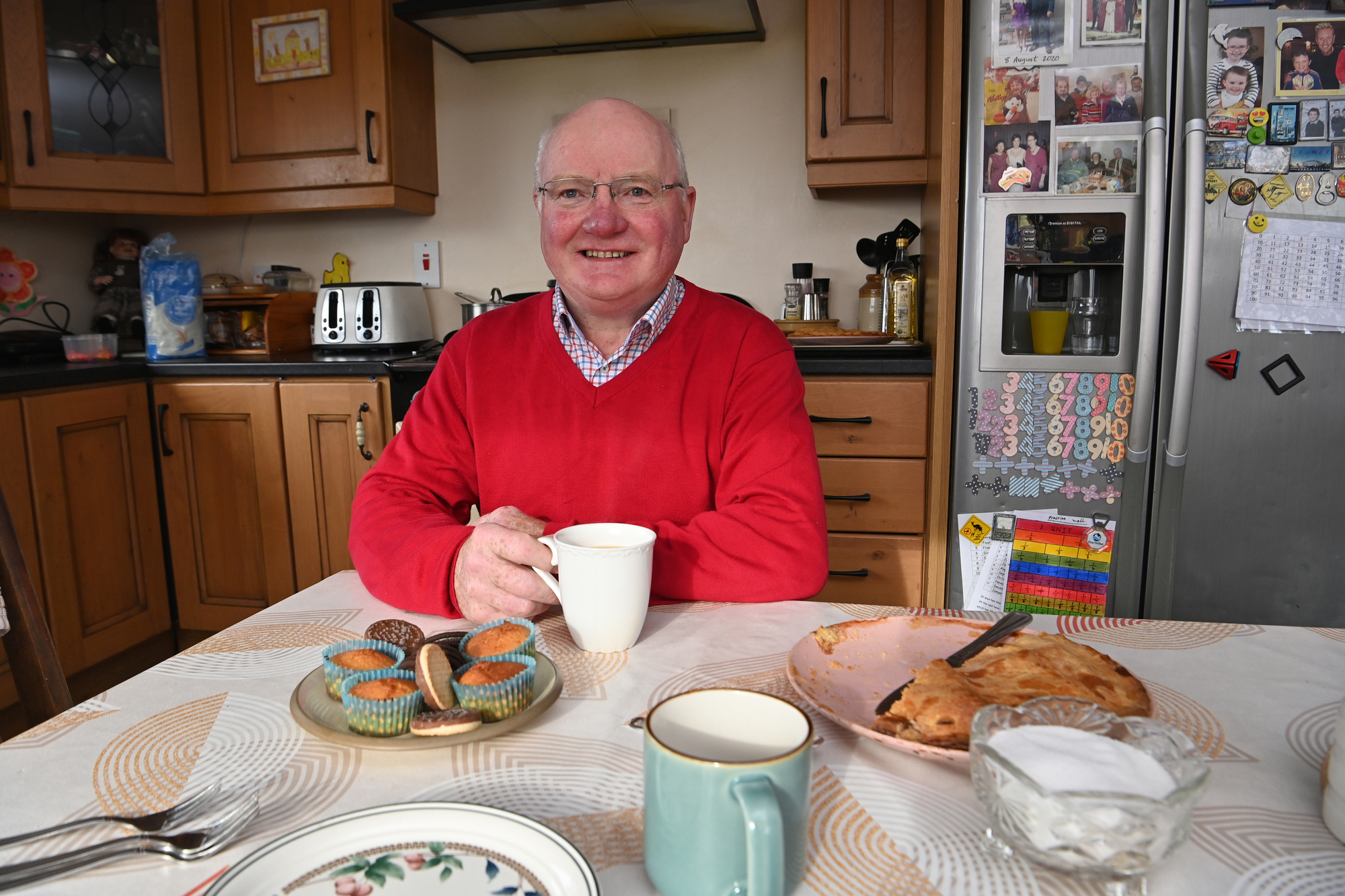
Patrick Foley at his home in Clashmore, Co Waterford, recovering from a brain tumour operation. People usually associate headaches with tumours, but from early 2021 Patrick was mixing up words like pasta/pizza, forgetting names and feeling pressure behind one eye. Picture: Dan Linehan
The family of a Waterford man who had a 5cm brain tumour successfully removed has urged people to insist on early scans, saying patients are their own best doctors.
People usually associate headaches with tumours, but from early 2021 Patrick Foley, age 63, was mixing up words like pasta/pizza, forgetting names and feeling pressure behind one eye.
“We’ve two young children and they were picking up that I wasn’t pronouncing words right,” he said of his sons aged 10 and 7. “Once or twice, I could be doing something, and all of a sudden I would blank out and not know where I was.”
Already blind in one eye, growing pressure behind his remaining eye proved extremely stressful.
“He had a review with his eye consultant in April and nothing was revealed,” his wife Anna said. “He also became very tired and experienced cognitive challenges and shortfalls with his memory function.”
By September, the Foleys were prepared to pay privately for an MRI. After raising this with their GP he referred them to the private Whitfield Clinic under a HSE scheme.
Their worst fears were confirmed when a then-4cm tumour was diagnosed in mid-October. “It didn’t hit me at all really, I didn’t realise at first just how serious it was,” Patrick said.
A different scan a week later identified this as Left Sphenoid Wing Meningioma and suitable for surgery.
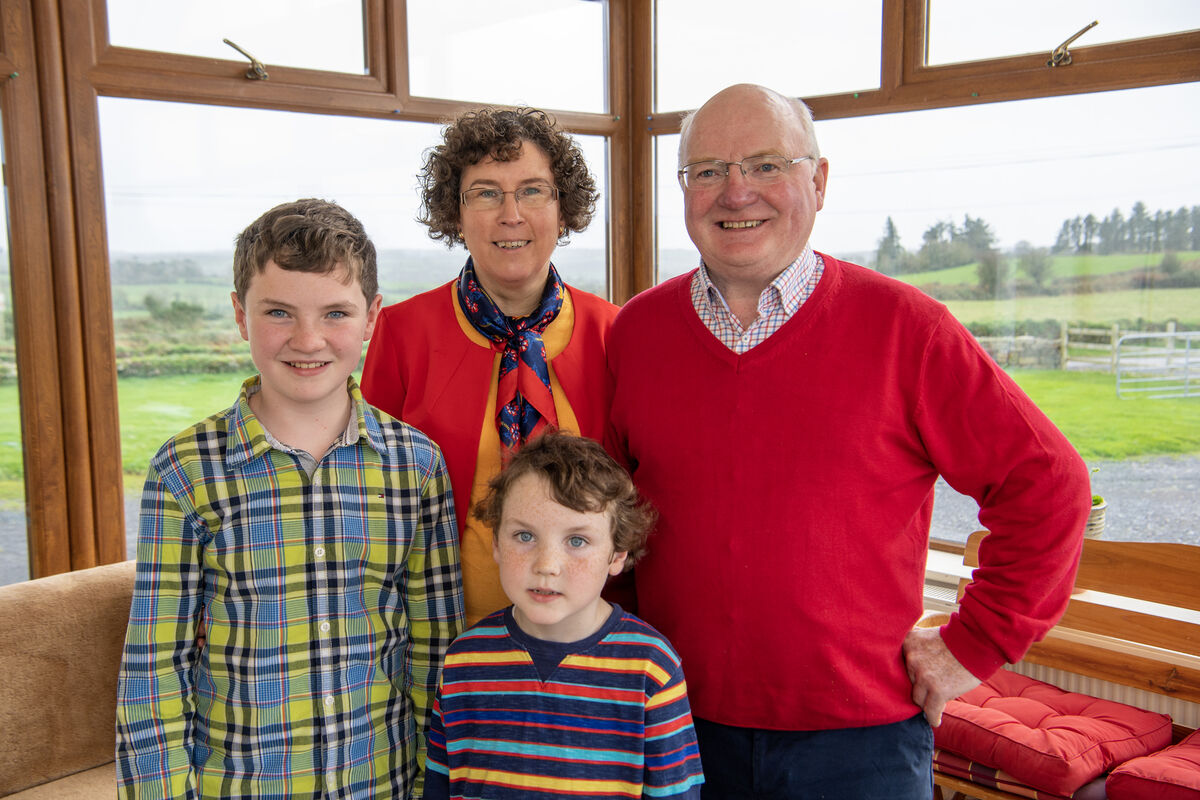
“I breathed a sigh of relief when the GP said that. I thought ‘right, death isn’t the first option here now’,” Anna Foley said.
About 400 people are diagnosed with brain tumours, including cancerous tumours, in Ireland annually.
“I would tell anybody go for a scan; I’d err on the side of caution. I would insist on a scan. So what if it comes back clear? At least you have anything suspicious ruled out then. In a way, you are your own best doctor, you know yourself when things are not normal or right with your health.”
She remembers praying the operation at Cork University Hospital on December 10 would not be cancelled due to a rise in the number of Covid-cases. The tumour reached over 5cm before being fully removed and confirmed as benign in a 10-hour operation.
In recovery now, Patrick said: “I had a walking aid for a few days, the pressure was gone, and I had no pain whatsoever. It was all over before it started hitting me really.”
His relieved wife added: “It was brilliant for us to be able to go to Cork as opposed to going to Dublin. It was easier for the family, when you’ve children in the picture all of this is very different.” The family recently raised €5,050 for CUH Charity for the adult neurosurgery ward.
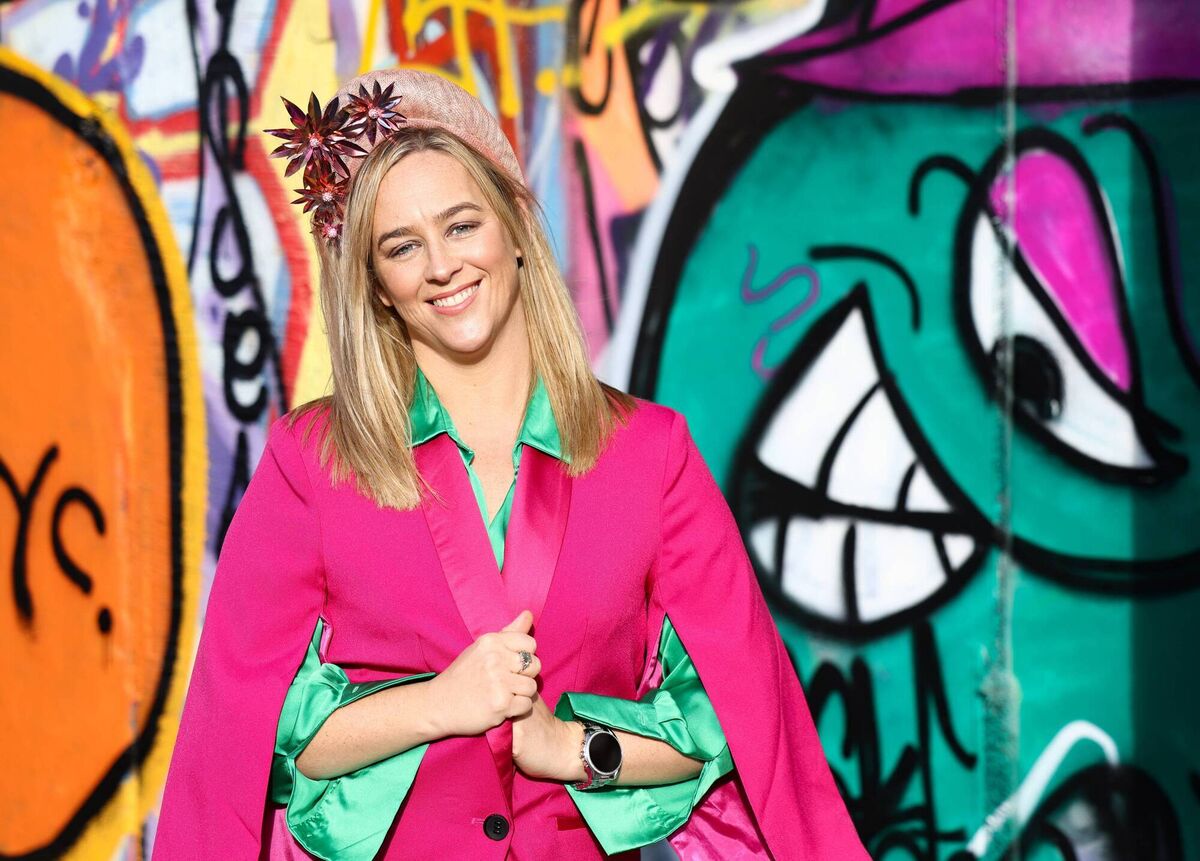
Pamela Tully Rudd said the petrifying experience of a brain tumour diagnosis taught her the future is not promised. She first experienced headaches in late 2019 as a new mother, and they continued in 2020 as she started working from home during the first lockdown.
“Alix is three-and-a-half now, but at the time she was one, I put the headaches down to that and stress,” she said. “But when I say headaches, it was nothing out of the ordinary, I would take a Panadol and be fine.” She went to her GP in May 2020 with that niggling concern.
“She was very quick fair play to her, she said we’ll get an MRI and rule anything out,” she said. “Unfortunately, something showed on the MRI at the end of June. I was told it was a meningioma.”
She was assessed until November at Beaumont Hospital in Dublin, relieved her husband Michael was allowed in for appointments. “The tumour had doubled in size, from June to the November, and we were faced with ‘this needs to come out’,” she said.
“It’s very scary. I found it very hard to wrap my head around it because I felt fine, other than the headaches I was working away and doing all the normal things. We didn’t tell anybody; we just didn’t know what to say.”
She had support from Brain Tumour Ireland who connected her with people facing similar diagnosis.
On Friday, Brain Tumour Ireland is urging people to wear their favourite hat for #WearAHatDay and donate €4 to support the charity’s vital work for patients.
She had support from Brain Tumour Ireland who connected her with people facing similar diagnosis.
“A brain tumour can go from Grade 1 all the way through to Grade 4. You might have seen coverage of Tom Parker who passed away recently, his was a Grade 4 Glioblastoma and those are the really bad ones,” she said, referring to the singer with The Wanted who died aged 34 in March.
“I knew mine was not one of those, but you do not know (the grade) until they actually take it out and send it to pathology and test it. Then they tell you what grade it was. All this time, we didn’t know.”
The tumour was fully removed in December, and she was advised recovery could take two years. “It can still be very hard mentally, but what it’s taught me is that tomorrow is definitely not promised. You have to embrace everything,” she said.
“My one is a meningioma, a Grade 2 which is non-cancerous, but it is referred to in the field as ‘atypical’ which means it has higher recurrence rate. That basically for me means I may get another one, there is a 30% to 40% chance another one could grow. But we all hope and pray that won’t happen.”
CONNECT WITH US TODAY



Be the first to know the latest news and updates