Report reveals temperatures in Europe rising faster than in the rest of the planet
"Temperatures in Europe have increased at more than twice the global average over the past 30 years – the highest of any continent in the world. As the warming trend continues, exceptional heat, wildfires, floods, and other climate change impacts will affect society, economies, and ecosystems," the opening salvo from the Copernicus Climate Change Service says.
Our carbon folly has caught up with us, and Mother Nature has come to collect the bill. Europe is warming quicker than anywhere else on the planet, according to new data.
The State of the Climate in Europe report, produced jointly by the World Meteorological Organisation (WMO) and the EU's Copernicus Climate Change Service, makes sobering reading, as if we needed yet another reminder that we're trending rapidly in the wrong direction.
"Temperatures in Europe have increased at more than twice the global average over the past 30 years — the highest of any continent in the world. As the warming trend continues, exceptional heat, wildfires, floods, and other climate change impacts will affect society, economies, and ecosystems," the opening salvo from the Copernicus press statement says.
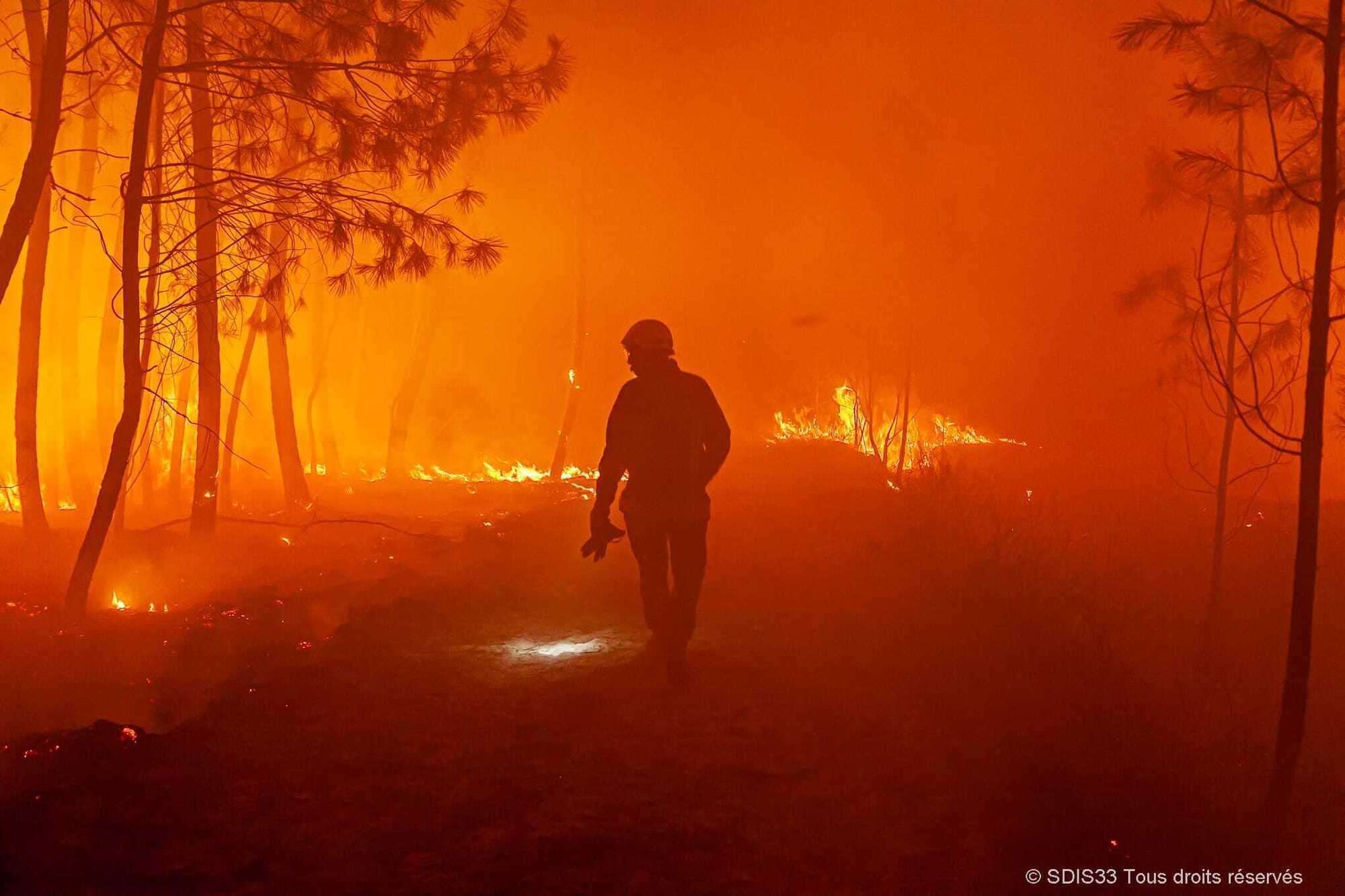
The warning signs of what is in our futures was laid bare during the summer of 2022, with the likes of France, Spain, and Portugal ravaged by wildfires and repeated heatwaves where temperatures soared into the 40s.
Even Britain shattered previous records, over and over again in a single day. There is something ominous happening in Europe, and we cannot say we haven't been warned.
Copernicus said: "Temperatures over Europe have warmed significantly over the 1991-2021 period, at an average rate of about +0.5C per decade. As a result, Alpine glaciers lost 30 metres in ice thickness from 1997 to 2021. The Greenland ice sheet is melting and contributing to accelerating sea level rise.
We have yet to be presented with the cheque for this year's extreme weather bill. If 2021 is anything to go by, it will be hefty. Not just in monetary terms, but human lives.
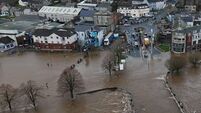
"In 2021, high-impact weather and climate events led to hundreds of fatalities, directly affected more than half a million people and caused economic damages exceeding $50bn (€50.5bn). About 84% of the events were floods or storms," Copernicus said.
The future is going to be even more challenging.
"European people's health is impacted by climate change in a myriad of ways, including death and illness from increasingly frequent extreme weather events (heatwaves), increases in zoonoses and food, water, and vector-borne diseases, and mental health issues.
"Climate change-induced alterations in the production and distribution of pollens and spores may lead to increases in allergic disorders. Over 24% of adults living in the European region suffer from various allergies, including severe asthma, while the proportion among children in the region is 30–40% and rising.
"Climate change also affects the distribution of vector-borne diseases. Examples include ticks (Ixodes ricinus), which can spread Lyme illness and tick-borne encephalitis," the outlook suggested.
However bleak the picture painted, there is a sliver of hope, according to the report.
"It’s not all bad news. A number of countries in Europe have been very successful in cutting greenhouse gas emissions. In particular, in the EU greenhouse gas emissions decreased 31% between 1990 and 2020, with a net 55% reduction target for 2030.
"Europe is also one of the most advanced regions in cross-border co-operation in climate change adaptation, in particular across transnational river basins. It is one of the world leaders in providing effective early warning systems, with about 75% of people protected. Heat-health action plans have saved many lives from extreme heat," Copernicus said.
WMO Secretary-General, Professor Petteri Taalas, is also hopeful.
“On the mitigation side, the good pace in reducing greenhouse gases emissions in the region should continue and ambition should be further increased. Europe can play a key role towards achieving a carbon-neutral society by the middle of the century to meet the Paris Agreement," he said.
Dr Carlo Buontempo, director, Copernicus Climate Change Service, European Centre of Medium-range Weather Forecasts (ECMWF), echoes this sentiment.
"European society is vulnerable to climate variability and change, but Europe is also at the forefront of the international effort to mitigate climate change and to develop innovative solutions to adapt to the new climate Europeans will have to live with,” he said.
Mother Nature may have come for the bill, but she is still extending the line of credit. Whether we take the opportunity afforded is up to us.
CLIMATE & SUSTAINABILITY HUB