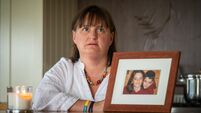
Research shows three-quarters of domestic abuse victims experience PTSD
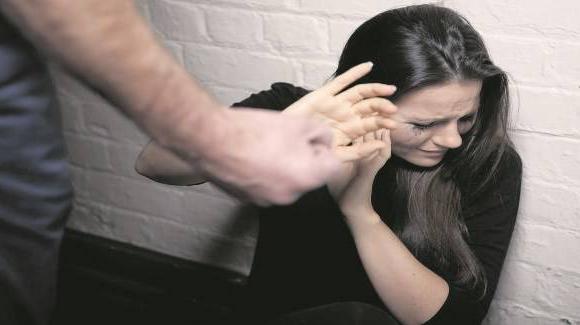
Study said it was very difficult to fully assess the impact domestic abuse has on the individual, the family and society, not least because, by its nature, it is often hidden.
Three out of four victims of domestic abuse experience post-traumatic stress disorder and child witnesses are “significantly more likely” to suffer depression and anxiety, a study commissioned by the Department of Justice has found.
Citing international research, the study said children who witness this abuse — a term covering domestic, sexual and gender-based violence — suffer more in terms of physical injuries, can often be held back in school and are more likely to have a criminal record.
Academics from Technological University Dublin said as well as helping and supporting victims of abuse, it was also important to work with perpetrators to minimise the offences and enable rehabilitation.
The study said it was very difficult to fully assess the impact domestic abuse has on the individual, the family and society, not least because, by its nature, it is often hidden.
But the report referenced research from across the world that documented certain consequences: “For example, it is estimated that approximately 75% of victims of domestic abuse suffer from post-traumatic stress disorder.”
It said there was also a range of negative consequences for children who witness domestic abuse.
“Children are significantly more likely to be diagnosed with depression and anxiety, to present with physical injuries, to be held back regarding academic attainment and to have a criminal record,” it said.
But it said such issues were not often directly attributed to domestic abuse and the real impact of abuse can therefore be difficult to assess.
“Most significantly, domestic abuse is under-reported and many victims do not seek professional help," it said.
"Where criminal proceedings are initiated, levels of compliance also tend to be low.”
It said a report by the New South Wales Government in Australia found that, on average, 18% of defendants did not appear for scheduled court appearances.
The Irish study used a behavioural economics approach to the justice area, using elements of economics and psychology to understand how and why people behave the way they do.
The research, conducted by Brian Barry, Lucía Morales and Aiden Carthy, said while supporting victims was a central pillar of Government policies, it was also important to work with perpetrators to increase prevention and improve rehabilitation.
The study said perpetrators may “internalise prevailing cultural social norms” where domestic abuse or violence against women generally is tolerated.
“There is also abundant research evidence that has demonstrated the impact that the portrayal of violence in the media can have on the attitudes and behaviours of both children and adults,” it said.
“For a variety of reasons, including representation in the media and prevailing social norms, perpetrators may feel overconfident that acts of violence will go unpunished.”

CONNECT WITH US TODAY



Be the first to know the latest news and updates