Q&A: Why is the retrofitting scheme so far behind target?
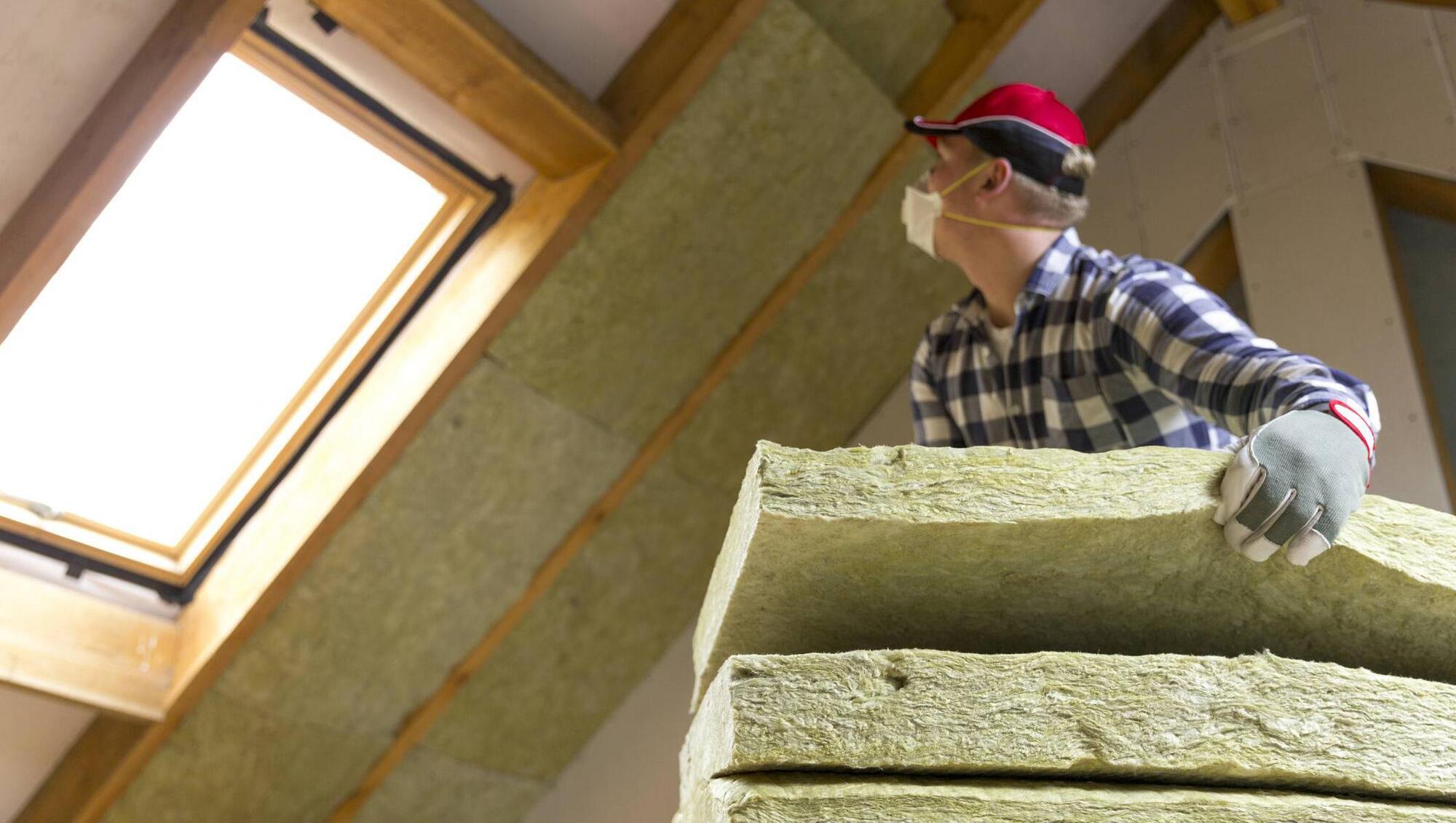
The National Retrofitting scheme aims to upgrade 500,000 homes by 2030. Picture: iStock
The Government announced a National Retrofitting Scheme last February at a cost of €8bn, which aims to upgrade 75,000 home every year from 2026 to 2030, with an overall target of 500,000.
According to the Sustainable Energy Authority of Ireland (SEAI) to date in 2022 over 36,000 applications have been received by it across its schemes, and all are experiencing significant levels of demand from homeowners.
This equates to approximately 28,800 homes being retrofitted, the SEAI said. Homeowners typically have a period of eight months to complete works once approved, and there are constraints on delivery at the present time, it added.
CLIMATE & SUSTAINABILITY HUB
There are, and this has led to complaints that the process is confusing and cumbersome for would-be applicants.
The Warmer Homes Scheme is the main SEAI scheme to address energy poverty and is aimed at free upgrades to homeowners on low incomes. It operates under different conditions and constraints to other SEAI schemes. Over 3,200 homes have been delivered on the Warmer Homes Scheme to date in 2022.
Then there is the National Home Energy Upgrade Scheme, which is a one-stop shop offering grants for a typical B2 home energy upgrade, including enhanced grants for heat pumps.
To date, 12 suppliers have been registered and are active on the scheme, and 10 additional suppliers are at various stages in the registration process, according to the SEAI.
This number is far short of what is required if 75,000 is even remotely realistic every year, according to critics. The SEAI insist it will really lift off in the second half of the decade.
Even with the grants available, there are significant numbers of homeowners anecdotally who have either undertaken the process, or at least enquired about it have found the upfront costs to be far too prohibitive.
A deep retrofit can cost homeowners tens of thousands of euro upfront, even with grants, with many saying they could not afford those costs with mortgage rates, current energy bills, and living costs causing a crisis.
According to property expert Kya de Longchamps, there is "a perfect storm comprising of the cost-of-living crisis, a lack of contractors and materials, rising building costs", as well as a "a lack of clear understanding by Government in marketing the more comprehensive, one-stop-shop mechanism through the SEAI".
Ordinary homeowners are being priced out, with the scheme being the preserve of those who are better off and can afford the upfront hit.
People Before Profit TD Bríd Smith said the figures to date show the national plan is “falling way, way short”, with up to 70,000 per year needed to hit the target of 500,000 retrofits to a B2 equivalent by 2030. A one-stop shop works well for those with a "good, hefty income", while the Warmer Homes Scheme works for those on fuel allowance.

CONNECT WITH US TODAY



Be the first to know the latest news and updates