Grocery price inflation hits record high as households face hike in annual shop of over €850
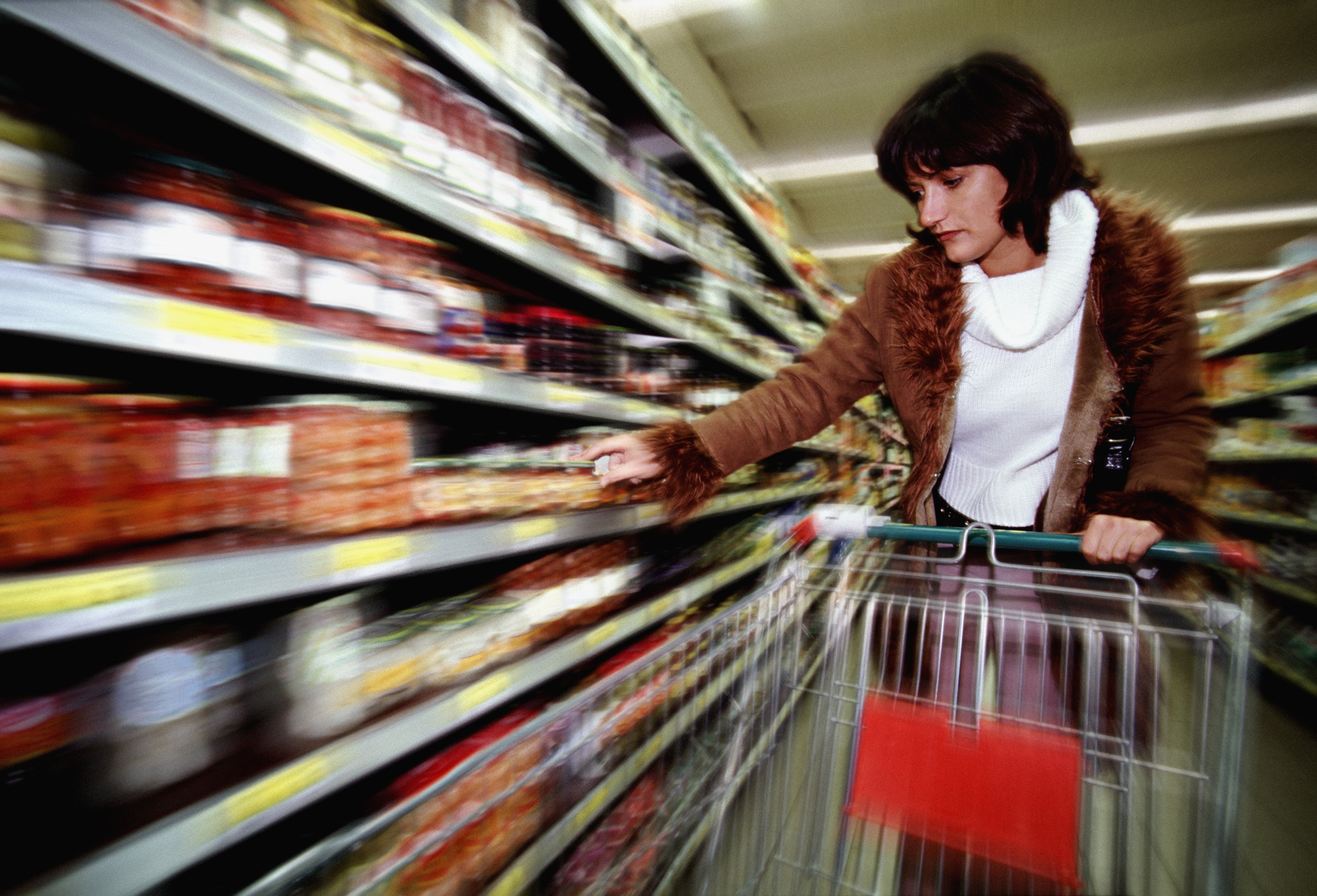
With the average annual shop set to rise by €868 a year, that works out at an average of €3.36 per shopping trip. Picture: Getty
Irish households are facing a hike in their annual grocery shop of over €850, new analysis has found, with almost a third of shoppers saying they’re “struggling” to make ends meet.
Figures from Kantar suggest grocery price inflation hit a record high of 12.4%, with the rising cost of everyday essentials “hitting shoppers particularly hard”.
The figures show the average price of staples such as butter, milk and bread are now 28% higher than this time last year. It follows the latest statistics from the Central Statistics Office last week which suggested food inflation is outstripping the general inflation rate.
With the average annual shop set to rise by €868 a year, that works out at an average of €3.36 per shopping trip. Last month, Kantar had said the average annual shop would rise by €768, leading commentators to fear such a rise would be enough to “break” many households this winter.
Kantar said its inflation figures are based on a comparison of over 30,000 identical products compared year on year. It said shoppers are likely to achieve a lower personal inflation rate if they trade down or seek out more offers.
In the last 12 weeks, shoppers spent an extra €99.1m on groceries compared to the same time last year, with the number of shopping trips increasing by 3.8%.
Consumers are continuing to adapt their behaviour to deal with the extra cost-of-living pressures, and this has meant supermarkets are benefitting through their own-label cheaper ranges.
Own-label sales are up an additional €88.3m year on year, while spending on the value of own-label brands — the very cheapest products — is up 23.5%, or €11.3m.
Kantar senior retail analyst Emer Healy said: “Grocery price inflation is the highest level seen since Kantar started tracking the data.
"The average annual grocery bill will go from €6,999 to €7,867 if consumers don’t make any changes to what they buy and how they shop to cut costs.”
Online sales, meanwhile, saw a decline for the first time since March 2022, with shoppers decreasing their trips online by 5.5% and replacing that with trips to physical stores instead (+5.5%).
Dunnes Stores continues to have the highest share in the grocery market on 22.7%. Tesco has a 21.8% share followed by SuperValu on 21.2%. Lidl and Aldi, meanwhile, are on 13.1% and 12.7%, respectively.
All of these retailers have seen consumers spend more in the 12 weeks to October 2, 2022, compared to the same time last year, with the exception of SuperValu.
CONNECT WITH US TODAY



Be the first to know the latest news and updates