Most countries opt for short-term cost-of-living fix instead of permanent solutions, analysis finds
Eurofound said most policies are 'temporary, ad hoc measures — very few policy actions are of a permanent nature', and that one-off, lump sum payments are more common than monthly supports.
Most EU countries have only taken temporary reactive measures to stem the bleeding from the cost-of-living crisis across the bloc, rather than long-term policy changes.
The €200 one-off payment made by the Irish Government towards electricity costs has been typical of the response from various leaders across the EU, an analysis by the the Dublin-based EU agency Eurofound, the European Foundation for the Improvement of Living and Working Conditions, said.
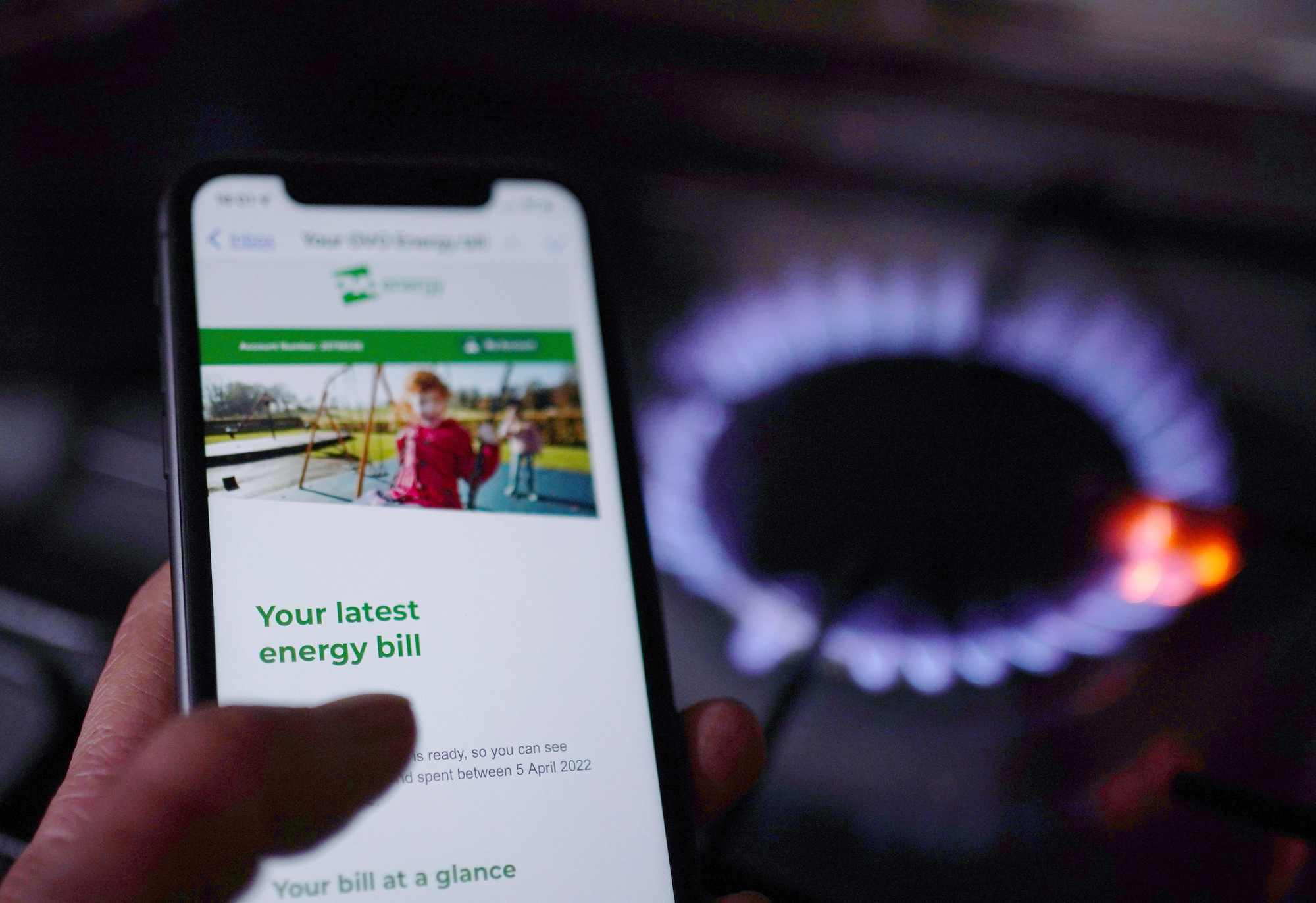
As energy bills and consumer prices soar, citizens have been feeling the pinch for months, with governments wrestling with how best to tackle the burgeoning crisis.
Eurofound said most policies are "temporary, ad hoc measures — very few policy actions are of a permanent nature", and that one-off, lump sum payments are more common than monthly supports.
As governments can influence prices most directly via taxes, they have mainly resorted to tax cuts or credits, but they also provide subsidies — few countries have resorted to price controls, it added.
Luxembourg was the only country where a permanent measure targeting all employees was reported, Eurofound said.
"Here, the government, following consultation with social partners, advanced the indexation-based increase of wages from August to April 2022 to address the rise in prices. This increase applies to all employees. Another general measure was introduced in Malta, where cheques of €100 (for workers and students) and tax refunds for workers earning less than €60,000 a year were issued."
Like Ireland's €200 one-off payment for electricity bills, Belgium issued a €100 federal heating bonus and €200 heating oil voucher, while Greece offered monthly subsidies ranging from €30 to €180 per megawatt-hour (MWh) consumed.
Germany offered a gross sum of €300 paid to employees via the salary from their employer, who in turn were compensated by the federal state.
The Netherlands had a more permanent measure, where the government earmarked €300m for citizens to make their homes more sustainable and to carry out energy-saving measures, Eurofound said.
When it comes to motoring costs, which spiralled throughout the spring and summer, four countries introduced subsidies.
"In France, private and business consumers of fuel receive a discount of 15 cent per litre, while in Luxembourg, the discount is 7.5 cent per litre. In Spain, a similar discount amounts to 20 cent per litre: 15 cent is refunded by the government and 5 cent is borne by the distributor.
"Portugal initially began with a discount of 10 cent per litre, but increased it to 40 cent per litre in March and April 2022, with a maximum amount of 50 litres per month. Meanwhile, Sweden is discussing a legal proposal to subsidise the owners of private cars with a lump sum of €96 to €145 per year," Eurofound said.