Cork Prison manager awarded €55k after being refused home working during Covid
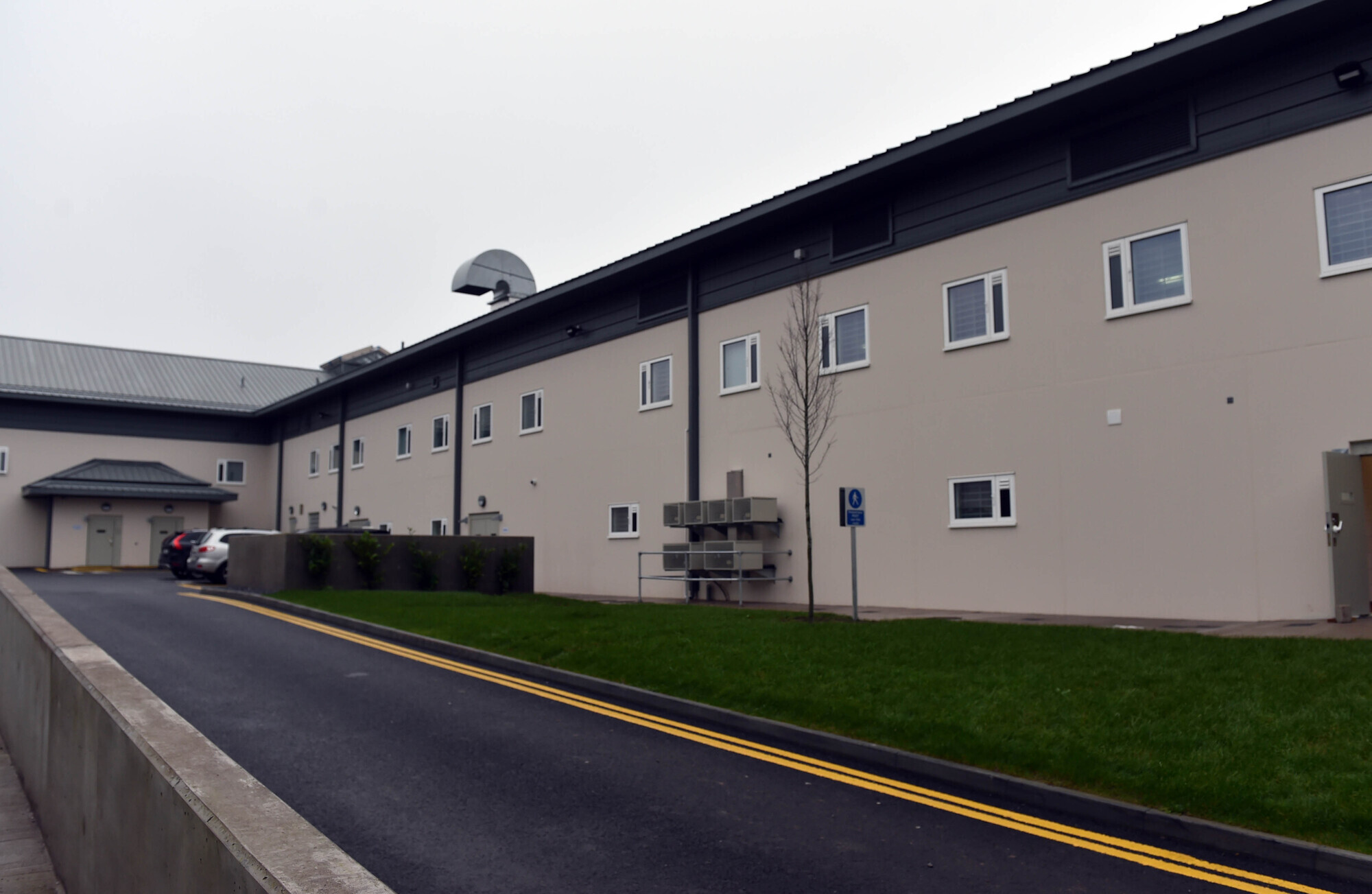
WRC found that by placing a 'blanket ban' on working from home, the IPS failed to attempt at least to reasonably accommodate the complainant. Picture: Eddie O'Hare
The Irish Prison Service (IPS) has been ordered to pay €55,000 compensation to a manager at Cork Prison over its failure to allow her to work from home during Covid-19.
At the Workplace Relations Commission (WRC), adjudicator Patsy Doyle found IPS higher executive officer Caroline O’Connor — who has a heart condition — was denied "reasonable accommodation" by the IPS under the Employment Equality Act.
Ms O’Connor worked full time, with a commute from Lismore to Cork Prison, until the start of the pandemic in 2020.
On February 19, 2020, she presented with an acute cardiac event at work which required overnight hospitalisation.
Ms O’Connor began sick leave supported by medical certificates. Surgery involving cardiac ablation planned for March 2020 was postponed due to Covid.
On March 26, 2020, Ms O’Connor requested that she work from home and was refused a day later. She applied again on April 30, and it was refused twice more.
On April 9, 2020, Ms O’Connor tendered a “fit to return to work from home” certificate and this was not acceptable to the IPS.
She was notified of outbreaks of Covid-19 among staff between April and September 2020 and in a note dated April 22, 2020, a GP confirmed a diagnosis of tachycardia and said: “I feel that she is fit to work but not on site at Cork Prison ….”
The doctor added if home working could not be facilitated, Ms O’Connor would not be “fit to work at Cork Prison until after her planned surgical cardiac treatment is completed”.
The IPS refused to allow Ms O’Connor to work from home and mandated her return to work at the prison location when medically fit.
Counsel for Ms O’Connor, Dan Walshe, drew attention to various systems of accommodation applied to staff members of the IPS during the Covid era.
These included two pregnant staff members who were told not to attend work and 120 staff at headquarters in Longford who were permitted to work from home
Mr Walshe submitted Ms O’Connor had not been met with a risk assessment of her condition by the IPS, who adopted a “one size fits all" approach to prison-based staff.
He said Ms O’Connor’s circumstances were clearly distinguishable from those of her colleagues who did not have underlying conditions.
Mr Walshe also drew attention to the fact that 586 prisoners were released early by April 12, 2020, and Covid arose in staff and prisoners across the entire service in 2020.
He also highlighted that the Government had advocated for flexibility in workplace practices at that time.
Ms O’Connor has been on sick leave since February 2020 and her pay was reduced to half pay from July 23, 2020, but income continuance has raised her earnings to 75% of normal pay. The IPS said this amounts to €2,000 per month.
Ms O’Connor has worked at Cork Prison since 2013 and her role has involved absence management, financial, accounts, pay, procurement and stock purchase.
Counsel for the IPS, Peter Leonard BL, outlined that due to the nature of the duties of Ms O’Connor’s job, presence on site at the prison was mandatory.
Mr Leonard said it was not possible for Ms O’Connor to perform her duties at home and her classification as an essential worker mandated on-site attendance.
Mr Leonard agreed that reasonable accommodation does not arise in the case as Ms O’Connor has been certified as being medically unfit for work pending the completion of surgery.
The IPS acknowledged Ms O'Connor was not medically fit to return to work, and it had not been possible to provide the specific reasonable accommodation sought.
It said the Longford HQ arrangement did not reflect the service exigencies at Cork Prison.
Patsy Doyle found the IPS was not bound by a direction to accede to Ms O’Connor’s request for accommodation, but was bound to try rather than rest on the boulder of “no”, which resulted in a “house arrest situation” for Ms O’Connor and the absence of a key staff member for the IPS.
Ms Doyle found that by placing a “blanket ban” on working from home, the IPS failed to attempt at least to reasonably accommodate Ms O’Connor.
She said nobody undertook a risk assessment of this or evaluated any of the duties/tasks suggested by Ms O’Connor.
She said: “Nobody measured the fear that intensified for her on the evolution of Covid. It may well have transpired that working from home was not the panacea first thought by Ms O’Connor, or perhaps that a compromise on hours/ duties could have been struck up, but this proposal deserved consideration and measurement. That is what the presiding legislation says.”
In her findings, Ms Doyle said she arrived at the €55,000 figure after finding the barrier placed before Ms O’Connor in seeking to be reasonably accommodated in her disability "to have been pronounced and impenetrable for her”.
“In addition, in response to my identification of a low corporate awareness for reasonable accommodation and the obligations on and defences available to an employe, I require the IPS to immediately engage a strategic working party to engage in a social dialogue on reasonable accommodation and to formulate an operational policy."
She said the report should be given to the head of the Prison Service no later than December 31.

CONNECT WITH US TODAY



Be the first to know the latest news and updates