Two years to pay off arrears under new protections from energy price hikes
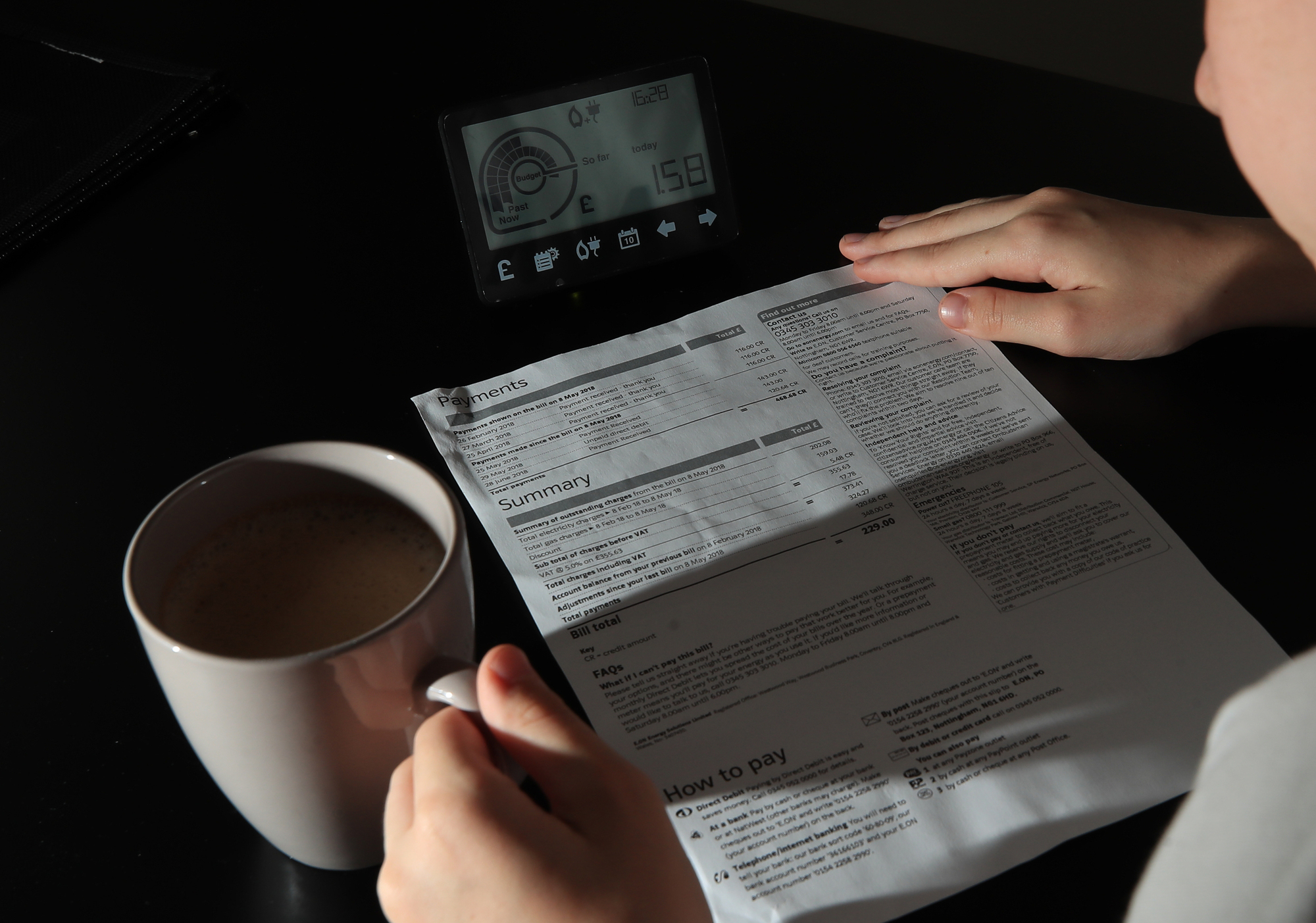
The extension of the moratorium on disconnections and debt repayment plans of at least two years are two new measures announced today by the energy regulator today as part of steps to protect households this winter.
The Commission for Regulation of Utilities (CRU) said the measures come in the context of the current volatility in global energy prices and to “further protect customers facing higher energy prices”.
The Irish public is facing into yet another winter season following huge spikes in energy bills, and advocacy groups have raised concerns over the impact it’ll have on vulnerable households and low-income families.
Charities have cited people having to choose between buying food or heating their home last winter, and it’s expected the situation may worsen this year given the cost of living pressures have only ramped up in the last 12 months.
Among the measures to be introduced in the coming months is better value for those on financial hardship meters. This is where households, who are already in financial hardship, have opted for a pay-as-you-go meter to help cut costs.
CRU said: “Currently the Supplier Handbook does not require suppliers to place customers with a financial hardship meter on any discounted tariff.” However, from 1 December, all customers with a financial hardship meter are to be placed on the cheapest tariff available from their supplier.
For pay-as-you-go top ups, suppliers are currently allowed to deduct 25% from a top-up for debt repayment. In such a cases, when someone tops up by €20, the supplier could take up to €5 to repay any accumulated debt.
From 1 October, this will be reduced to 10% so, in the above case, the supplier could only take €2 from that €20 top up.
Currently, the moratorium on disconnections for all domestic customers is in place from mid-December to mid-January. It means you cannot be disconnected during that time. However, this will be extended to three months from 1 December 2022 to 28 February 2023.
For vulnerable customers, the moratorium will extend to six months from 1 Ocotber 2022 to 31 March 2022.
The Suppliers’ handbook does not require a minimum timeline to allow customers to repay any accumulated debt but, from 1 November, debt repayment plans will be extended to allow for a minimum of 24 months for customers to repay debt. They can opt to repay it in a shorter time if they prefer.
Lastly, enhanced requirements will be placed on suppliers to actively promote the vulnerable customer register and the protections it offers from 1 November.
CRU said that these measures will complement the supplier-led Energy Engage Code, under which suppliers will not disconnect customers who engage with them and must offer every opportunity to customers to avoid disconnection.
Aoife MacEvilly, CRU chairperson, said: “The CRU is acutely aware of the significant challenges that all customers have been and will be facing in the context of increasing energy costs this winter.
“While the current measures provide a high level of protection for all customers, our focus was to enhance protection and security for the customers in greatest difficulty, including vulnerable customers, customers in debt and customers on financial hardship prepayment meters.”