Synthetic drugs in syringes raises new addiction concerns
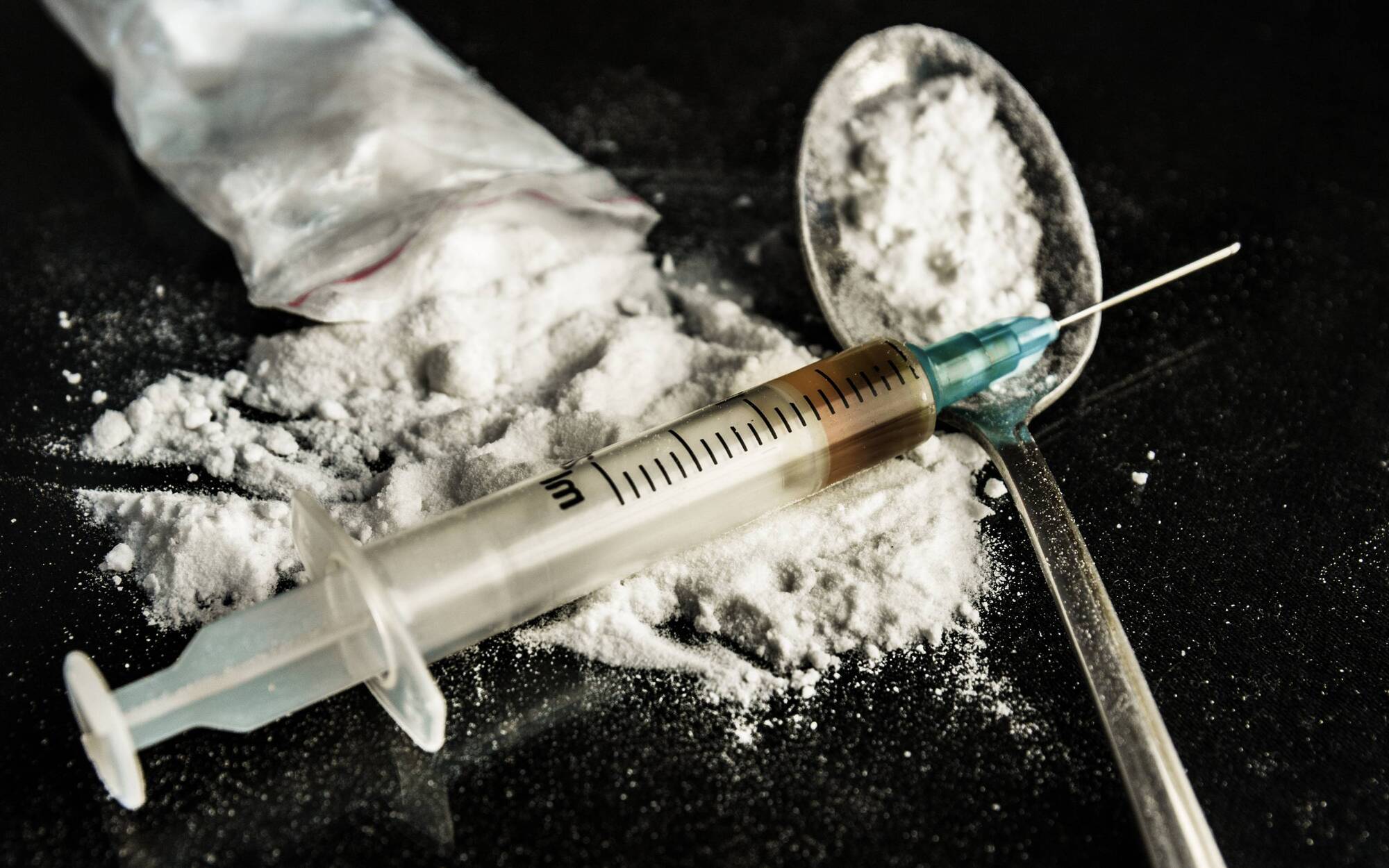
Although heroin was found in almost 100% of syringes, other drugs were also found in over 80% of all syringes analysed.
Dangerous synthetic stimulants are being injected along with drugs such as heroin in worrying new polysubstance injecting patterns, a new report has identified.
Although heroin was found in almost 100% of all syringes — 93.3% in Dublin and 98.2% in the Midlands — other drugs were also found in over 80% of all syringes analysed.

The results are contained in the first Syringe Analysis Pilot Project conducted in Ireland by the HSE National Social Inclusion Office, the HSE National Drug Treatment Centre Laboratory, and Merchants Quay Ireland (MQI).
The study, conducted through September 2021, found traces of 32 different drugs and metabolites in the syringes analysed from Dublin and the Midlands.
Significant new trends were identified in the study, including: the presence of synthetic cathinone, 3-methylmethcathione (3-MMC) for the first time in this population; higher levels of methamphetamine use in this population than normally recorded; and the likely injection of flurazepam (a benzodiazepine derivative) in the Midlands Region.
Eamon Keenan, HSE national clinical lead, Addiction Services, said the presence of cathinones, a synthetic drug designed to mimic cocaine or amphetamines, was particularly worrying as these substances have been found to lead to severe mental health impacts including an increased risk of suicide and prolonged periods of insomnia. It also leads to high-risk behaviour. A HIV outbreak a few years ago was linked to cathinone use.
Using stimulants in general can lead to high risk behaviour and more frequent injecting which increases the risk of needle sharing and contracting blood-borne illness, Prof Keenan said.
These new emerging patterns of increased stimulant injecting support calls for the supervised injecting centre, currently in planning stage, in Dublin, he said.
A cathinone drug called 3-MMC was found in 11.3% of syringes in Dublin and 23.6% in the Midlands.
Some 85.4% (123 syringes analysed) contained both heroin and cocaine.
Cocaine was found in 86.5% of syringes analysed in Dublin and 89.1% in the Midlands.
Injecting cocaine and heroin together increases health risks. Cocaine can mask the sedative effects of opioids, thereby increasing the risk of delayed overdose.Â
These findings identify a need for service providers to provide specific information about risks of combining these substances, the report noted.
Of the samples, 23.6% (34 syringes) contained a combination of heroin, cocaine, and methamphetamine.
Methadone was found in 83 syringes indicating that many of the syringes were used by people who may be attending for opioid agonist treatment.
A low number contained heroin, oxycodone, methamphetamine, ketamine, cocaine, and pregabalin.
The Irish Syringe Analysis Pilot Project involved obtaining 155 used syringes from three services provided by MQI which represented both urban and rural localities. Of the 155 syringe samples, 100 were accessed from Dublin, 27 from Longford, and 28 from Offaly.
View the full report at: www.drugs.ie/features/feature/syringe_analysis_pilot_project_2022.