Festivalgoers told 'medics are your mates' as HSE pilots drug harm-reduction campaign
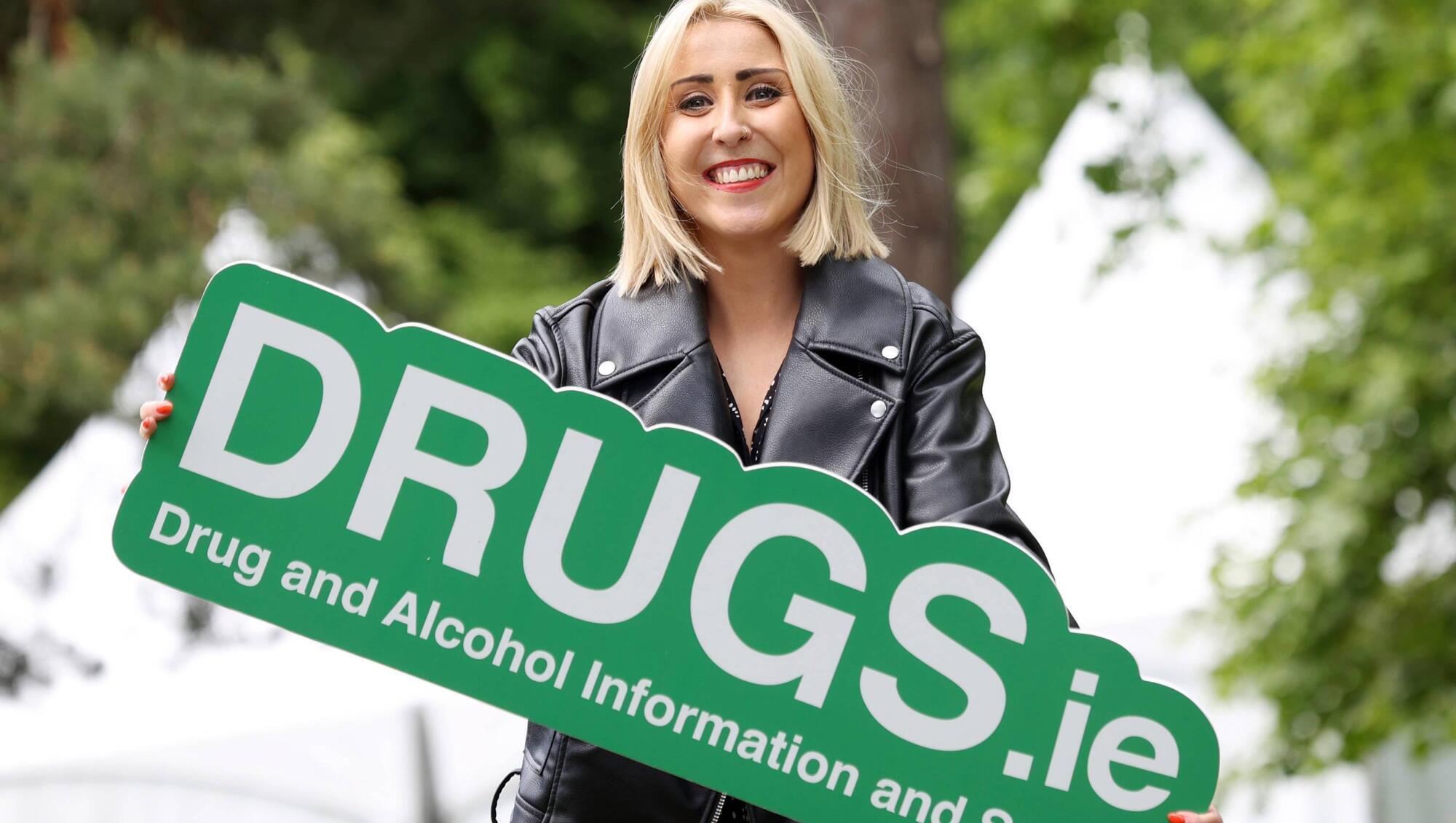
The HSE launching its drug harm-reduction campaign aimed at people attending Irish music festivals. This new campaign offers practical harm-reduction information, as well as advice on how to reduce the risks associated with drug use.
Young people taking drugs at music festivals say they are afraid to seek medical help, with some fearing they will be fined or even prosecuted.
HSE officers are seeking to reassure people ahead of the Indie 2022 festival in Cork this weekend that “medics are your mates”.
HSE drug experts are concerned by the combination of drugs some users are taking and the sheer range and strength of tablets and powders in circulation.
Indie 2022 is the second of three “test sites” this year for the HSE, where drug officials are piloting a harm reduction campaign in conjunction with festival organisers.
This weekend’s festival marks its return after a three-year absence caused by Covid.
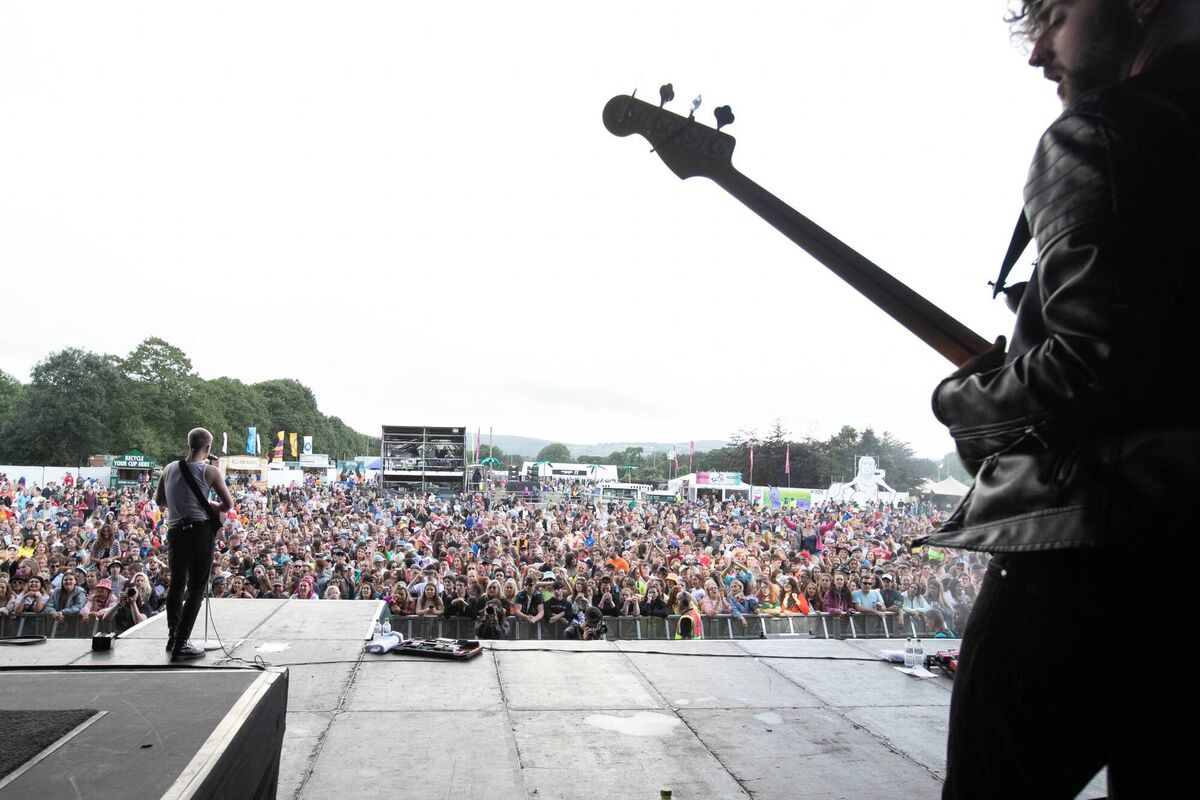
It is the first event at the Mitchelstown site since the tragic death of Cork Institute of Technology student Jack Downey in August 2019.
The 19-year-old, from Clonmel, Co Tipperary, died as a result of total organ failure and overheating, primarily brought on by ecstasy.
The HSE targeted three festivals in its pilot: Life Festival in Westmeath last May, Indiependence, and Electric Picnic in September.
Nicki Killeen of the HSE National Social Inclusion Office and HSE’s drugs.ie, said the Life festival had been “really successful” in that the combined approach of having a fixed tent, located alongside the medical and welfare tents, and outreach teams interacting with festival attendees worked "very well".
She said the outreach workers engaged with those attending and had “brief conversations” with them. She said they have headsets linking them with the medical tent in case they come across any emergencies.
Ms Killeen said that what they found from the Life festival, and from research they conducted in 2019 with Trinity College, was that there were problems with users seeking help.
“Young people are afraid to seek help in medical situations,” she said.
She said this was the “real value” in the outreach teams in chatting to people, listening to their fears and “providing reassurance” to them.
She said one of the key messages at tents are posters saying “Medics are your Mates”, and badges saying “Drugs: No Judgement, No Stigma.”
Ms Killeen said people can have misconceptions about a drugs emergency and think of someone passing out or being semi-conscious.
“A stimulant overdose can be very different,” she said.
She said friends play a key role in looking after each other.
Ms Killeen said that from Life, and festivals generally this year, poly substance use was “one of the biggest concerns”.
She said they were noticing an increased “mainstream” use of ketamine, a drug that can have stimulant and/or psychedelic effects.
“Ketamine appears and reappears at different times, and has re-emerged now," she said. "What’s different is the mainstream nature of it, it has moved very much from the margins and niche groups to a more mainstream pattern. This summer we can say it is the most commonly-used substance coming to our attention.”
She said they will be launching a new ketamine poster in coming days. She said the drug is often being used with alcohol, ecstasy, and cocaine, creating added risks and dangers.
Ms Killeen said drug-testing services abroad, such as The Loop in the UK, provides her section with some guidance as to market trends, with recent tests showing certain tablets containing almost three times the average dose, and other branded tablets showing a wide variety in strength.
She said: “Our position is: ‘It’s safer not to use, you can’t trust the content — but here’s the practical steps to reduce the harm’.”
* See drugs.ie for more


CONNECT WITH US TODAY



Be the first to know the latest news and updates