Call to end privileges enjoyed by TDs and senators who become lobbyists
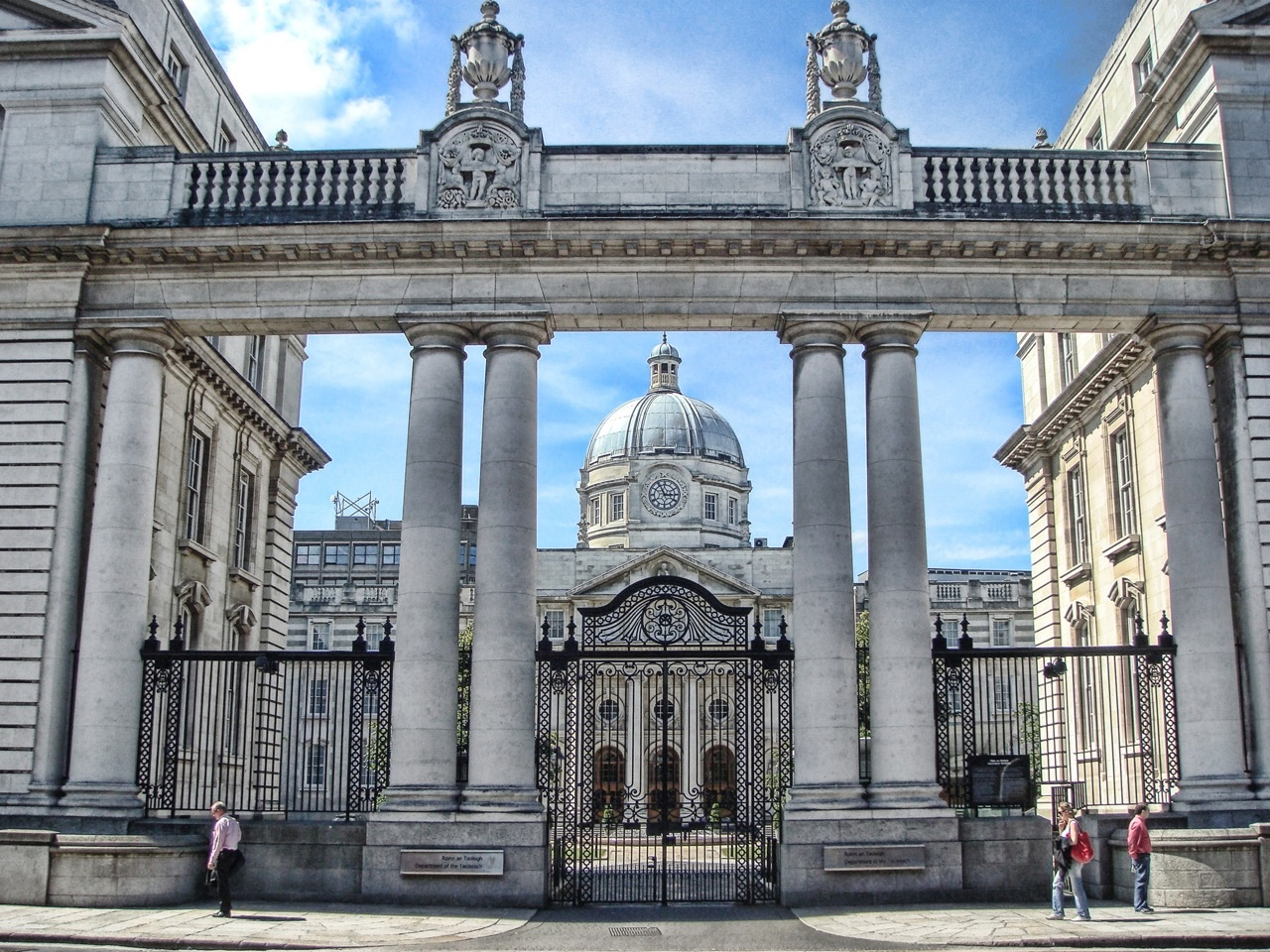
The Oireachtas joint committee on finance has recommended that former Oireachtas members who take up positions as lobbyists 'do not enjoy special privileges like permission to enter the Oireachtas without an invitation'.
Former TDs and senators who become lobbyists should not enjoy special privileges such as permission to enter the Oireachtas without an invitation, a new report has recommended.
The report from the Oireachtas joint committee on finance has also recommended that the cooling-off period for designated public officials to take up lobbying roles should be extended from 12 months to two years.
The recommendations come in response to proposed legislative reforms around lobbying in Ireland.
The Standards in Public Office Commission (Sipo) recently noted a large increase in lobbying of public and Government officials during the Covid-19 pandemic.
Under current laws, groups or individuals that aim to influence public policy or change legislation are legally required to register who is lobbying, what they are lobbying for, and to who they are doing the lobbying.
All of these details should be put on the publicly-accessible Lobbying Register.
Last year, just under 400 fines were given to lobbyists for failing to log their activities within the required timeframe, while a further 114 notices threatened to prosecute if lobbying was not declared.
One contentious aspect surrounding lobbying is the number of former elected representatives and senior officials who have taken up jobs where they are involved in lobbying the Government.
The appointment of Michael Darcy to the position of chief executive of the Irish Association of Investment Managers shortly after he had left office as a Fine Gael minister of state in the Department of Finance was one such controversial appointment.

Under current laws, ministers, special advisors and senior public officials must have a “cooling off” period of one year after they leave office, during which they cannot engage in lobbying or work for a group carrying out lobbying activities.
Last year, five former special advisors in Government roles applied for a waiving of this cooling-off period. There have been 21 such applications since the Lobbying Act was enacted in 2015.
The Oireachtas finance committee said Sipo should also be given sufficient capacity to undertake its duties, saying: “The joint committee recommends that for the purposes of the bill, former Oireachtas members who take up positions as lobbyists are treated the same as normal lobbyists and do not enjoy special privileges like permission to enter the Oireachtas without an invitation.”
It also proposes a review of the anti-avoidance clause, where Sipo could investigate action intended to circumvent the lobbying laws, and consider whether it should be made a criminal offence or see civil or administrative sanctions imposed.
CONNECT WITH US TODAY



Be the first to know the latest news and updates