Taoiseach's POW uncle held in Singapore prison 'forced to forage for insects'
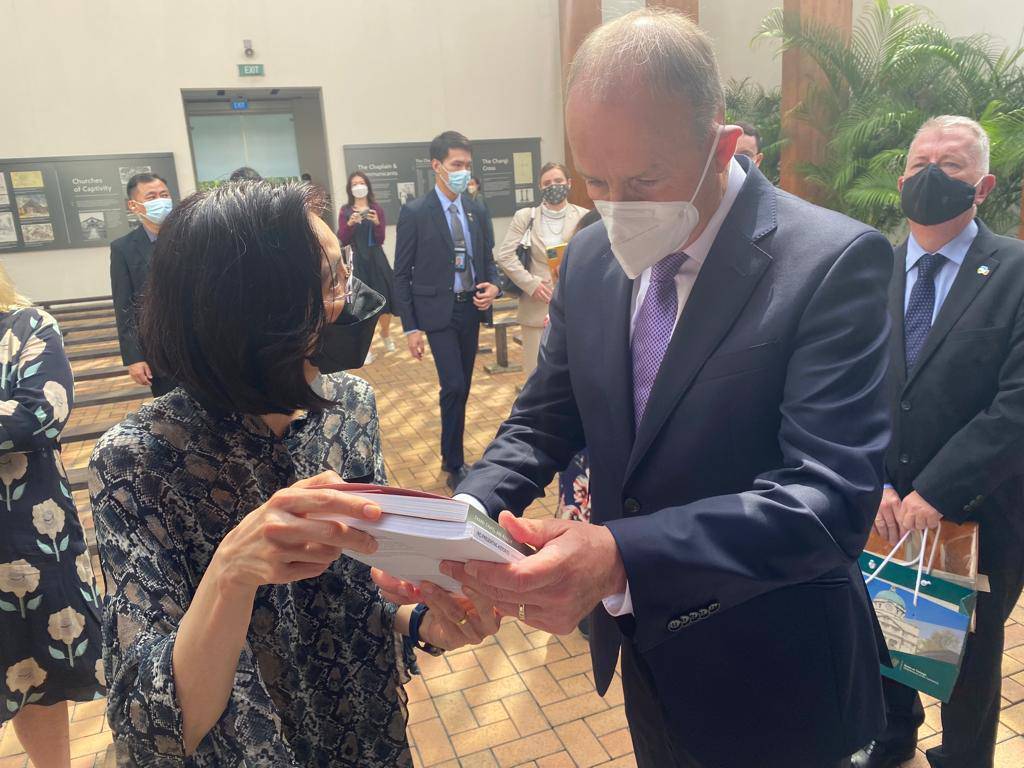
Taoiseach Micheál Martin visited the Changi Prison museum in Singapore where his uncle was held for three years. Picture: Ministry of Communications and Information, Singapore.
A total of 42 Irishmen are listed as having been held as prisoners of war in the Changi Prison camp on the east side of the island of Singapore.
One of those was Philip "Philly" Finbar Martin, a member of the British Army's Royal Engineers stationed on the island - then under British control.
After the fall of the island to Japan, which then Prime Minister Winston Churchill called the "worst capitulation" in the history of the British military.
Mr Martin spent three long years in the camp, deprived of food, foraging for insects, being forced to construct the 415km Death Railway before liberation in 1945 following the Japanese surrender.
850 prisoners died at the camp, which had only ever been intended for 900 occupants but which ultimately held 18,000 souls.
Conditions in the camp were brutal - prisoners described eating blankets just to have the sensation of swallowing something such was their hunger, beatings were common and food parcels delivered by the Red Cross witheld.
Some 77 years later, Philip Martin's nephew Micheál returned to the site, now a museum and chapel. Mr Martin's circumstances are a far cry from his uncle's, returning as a world leader on a state visit to the world's fifth-largest economy.
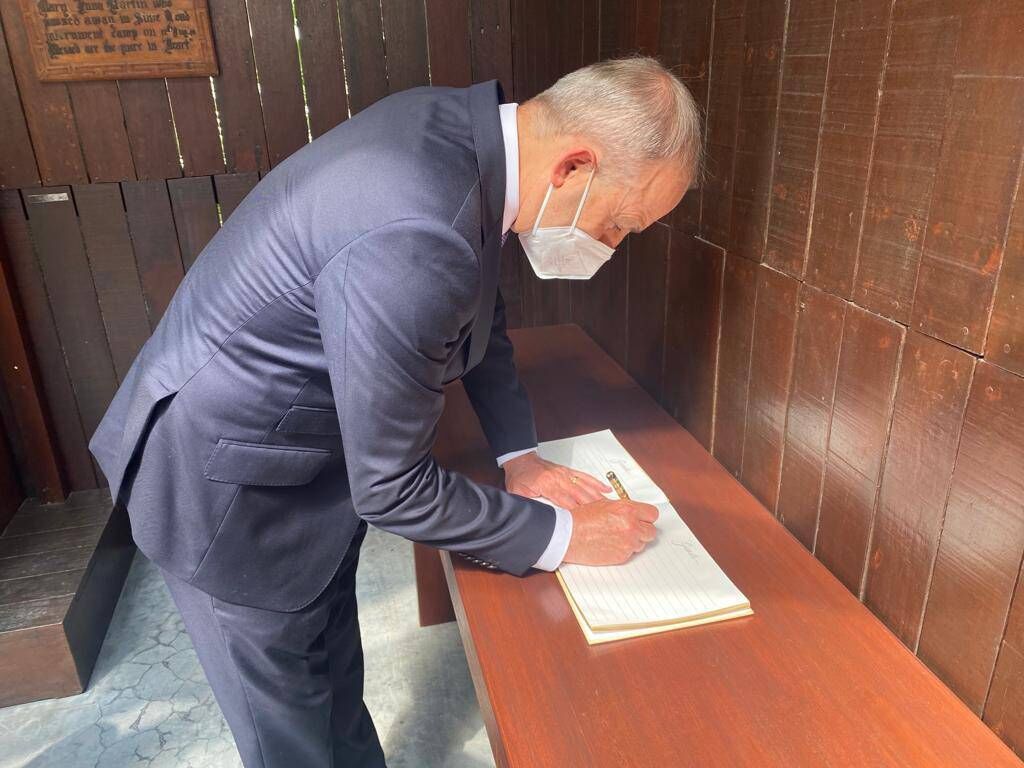
Mr Martin was visibly emotional hearing about conditions during his hour-long tour of the facility, describing it in a guest book signature as "moving and emotional" and he told reporters that the visit "puts a context" to his uncle's experience and "almost verifies it".
The Martin family had presumed their brother was dead in 1942, lost among the 5,000 British soldiers who perished during the fall of the island.
Having not heard from him for three years, hope must surely have faded until British newspapers printed lists of the names of men and women liberated from camps in September 1945. There, among them, was Philly Martin.
Taken to Sri Lanka to recuperate, he weighed just eight stone and even that meagre weight is above many of his contemporaries – his family believes that this was because as an engineer, he was used to build bridges or parts of the Death Railway – a 415km stretch of rail between Burma and Thailand which was largely built by prisoners of war.
The Taoiseach recounted how his father recalled “a good session” when Philly returned from the war and how the four Martin brothers were pictured on Patrick’s Street in Cork after a day setting out their plans to start a transport company.
That plan would not come to fruition and the four would go their separate ways, Philly returning to England and serving in the Middle East as well as working as a scout for Nottingham Forest.
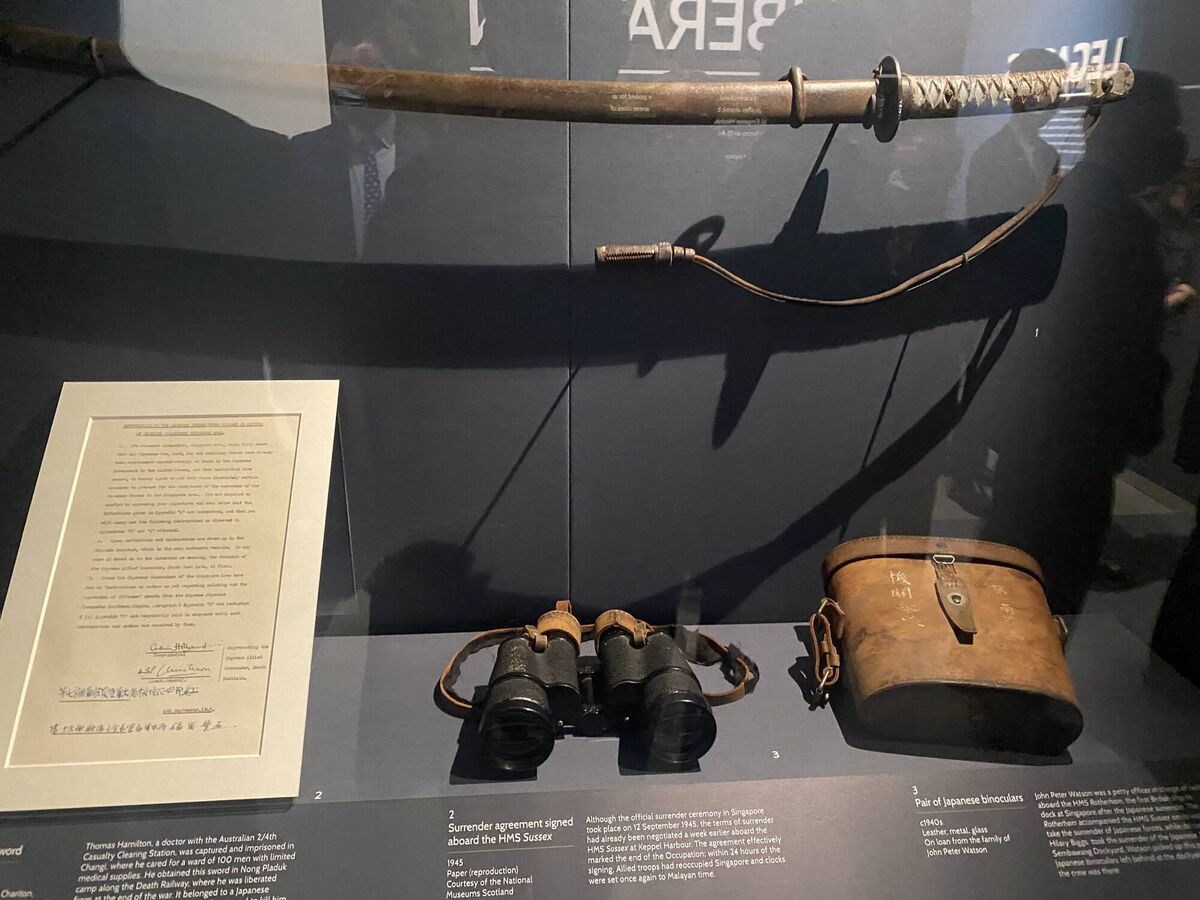
“There were four brothers, they all went different ways,” the Taoiseach said.
“One fella (the Taoiseach’s father Paddy) joined the Irish Army for some reason so there’s a stubborn streak too but the other three were in the British Army.
“They were going to do great things together, form transport companies and all that but of course they went their separate ways and did different things.”
The story underlines the realities of many poor families in the 1930s, where serving in the British Army offered a way out of poverty, but as Mr Martin pointed out, also showed the complexities of the Irish-English relationship.
Here, 11,000km from Cork, was an Irish leader learning of the experience of his British soldier uncle in a former British colony.
Of course, the story has come closer to home. Mr Martin recounts how in an election campaign early in his career, he was in Ballyphehane knocking on doors when the occupant of the house recognised him as Philly Martin’s nephew – the two had been in Changi together.

CONNECT WITH US TODAY



Be the first to know the latest news and updates