Ireland's greenhouse gas emissions jump by 5%, EPA warns
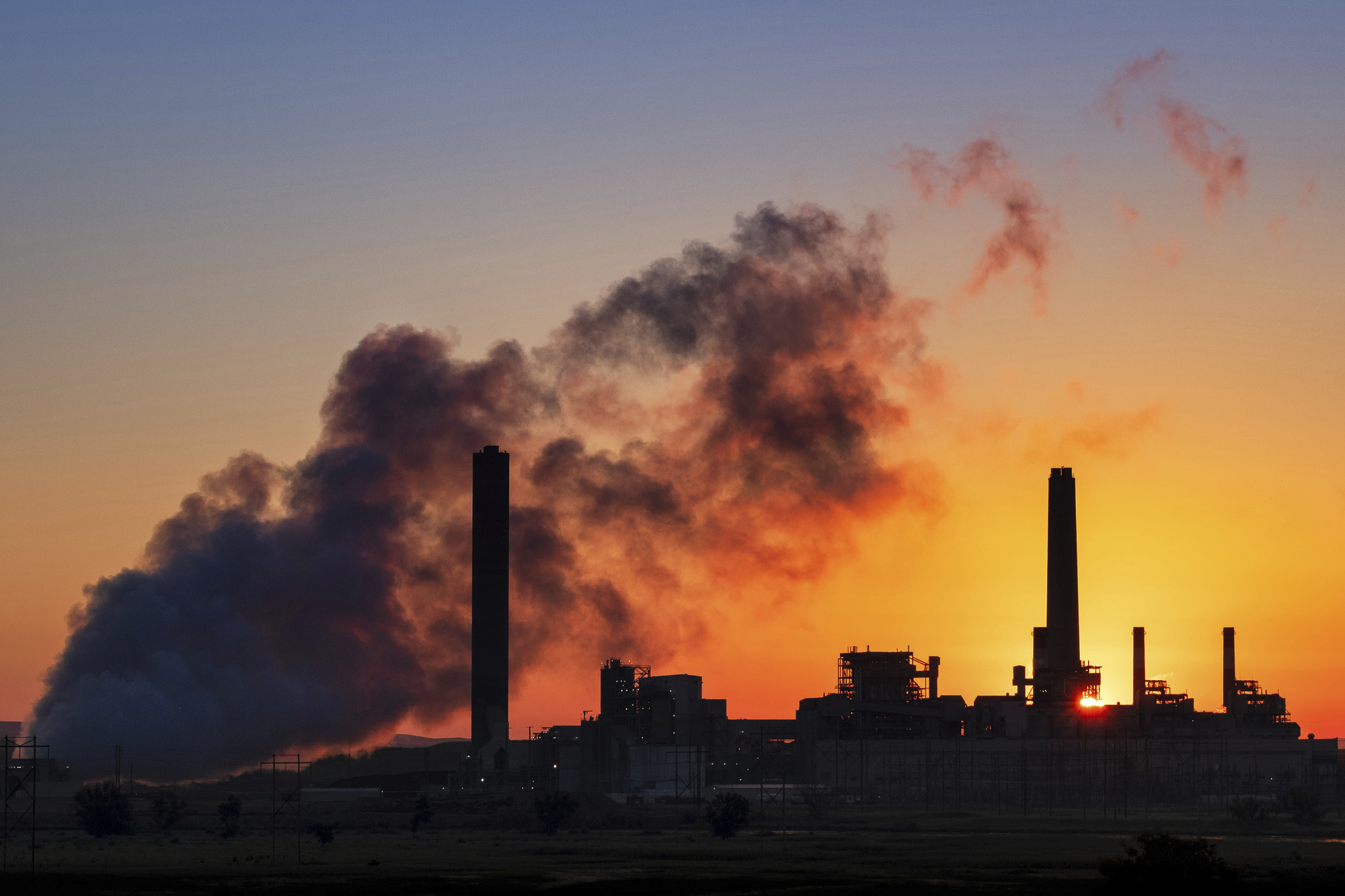
The EPA has said the country will exceed its 2021 annual limit for greenhouse gases set under the EU’s Effort Sharing Regulation. Picture: AP Photo/J. David Ake, File

The EPA has said the country will exceed its 2021 annual limit for greenhouse gases set under the EU’s Effort Sharing Regulation. Picture: AP Photo/J. David Ake, File

Ireland’s greenhouse gases have jumped by almost 5%, driven by increased use of coal and oil for electricity generation, as well as agriculture and transport, the Environmental Protection Agency (EPA) has warned.

Agriculture remains by far the largest contributor to overall emissions, at 37.5% of the total. However, Green Party leader Eamon Ryan and Agriculture Minister Charlie McConalogue continue to haggle over the carbon reduction target for the farming sector, with discussions in deadlock.

Both ministers met on Wednesday in a bid to set a target which farmers will be expected to meet by 2030 as part of an overall reduction of 51%.

While Mr Ryan is pushing to set the agriculture carbon reductions target at the higher point of 30%, it is understood Mr McConalogue as well as members of Fianna Fáil and Fine Gael want the figure to be closer to the lower limit of 22%.

A spokesperson said the Government is committed to meeting ambitious climate mitigation targets and both ministers are continuing to engage constructively on the establishment of a sectoral ceiling for agriculture.

EPA spells out challenges ahead

However, in a snapshot of the steep challenges ahead for Ireland’s climate ambitions, the EPA has said the country will exceed its 2021 annual limit for greenhouse gases set under the EU’s Effort Sharing Regulation, which establishes binding annual targets for member states for 2021 to 2030.

Agriculture emissions rose 3%, driven by increases in the likes of fertiliser nitrogen use and increased numbers of dairy cows, pigs, and other livestock. This is the 11th consecutive year that dairy cow numbers rose, said the EPA’s report.

In 2021, total cattle numbers increased by 0.8%.

Agriculture remains by far the largest contributor to overall emissions, at 37.5% of the total.

EPA senior manager Stephen Treacy said the greenhouse gas estimates for 2021 are a “cause for concern in relation to achieving Ireland’s binding carbon budget targets”, adding that staying within the current budgets requires deep emission cuts in the next four years.

Emissions in energy rose 17.6% in 2021 due to a tripling of coal and oil use in electricity generation, as gas-fired plants were offline, said the EPA. At the same time, electricity from wind and hydro fell by 16% and 20% respectively.

Further disruption to gas supplies across Europe is expected in the coming months and homes and businesses could be asked to assess their heating and electricity use as a result.

On Wednesday, the European Commission proposed gas use be cut by 15% over the coming months to ensure that any full Russian cut-off of natural gas supplies will not fundamentally disrupt industries next winter.

While the initial cuts would be voluntary, the commission would impose mandatory reductions in the event of an EU-wide alert “when there is a substantial risk of a severe gas shortage or an exceptionally high demand of gas occurs, which results in a significant deterioration of the gas supply situation”.

EU Commission president Ursula von der Leyen said the partial shut-off of gas deliveries is already affecting European growth, and that a full shutdown could be “substantially more severe”.

"Russia is blackmailing us", said Ms von der Leyen. “Russia is using energy as a weapon, and, therefore, in any event, whether it’s a partial cut-off of Russian gas or total cut-off of Russian gas, Europe needs to be ready.”

A Government spokesperson said the proposals are now being considered and there will be engagement with Brussels ahead of a meeting with officials on Friday, and a separate meeting of EU energy ministers on Tuesday.

Meanwhile, members of the Oireachtas climate committee have refused to sign off on a report on agriculture emissions after clashing with their counterparts on the agriculture committee.

It is understood that the report puts an emphasis on how technologies could reduce emissions in the agriculture sector, which those on the climate committee believe amounts to “greenwashing”.

“It would give them a bit of a green cover when they go to negotiate their quotas," said committee member Bríd Smith.

Chair of the climate committee Brian Leddin last week wrote to his counterpart on the agriculture committee stating that his members would not be in a position to fully examine the draft report until September. However, it is understood that the agriculture committee wanted to press ahead and get sign-off during a joint meeting yesterday.

CLIMATE & SUSTAINABILITY HUB

More in this section

Lunchtime News

Newsletter

Get a lunch briefing straight to your inbox at noon daily. Also be the first to know with our occasional Breaking News emails.

Cookie Policy Privacy Policy Brand Safety FAQ Help Contact Us Terms and Conditions

© Examiner Echo Group Limited