What are the Government's climate reduction targets for each sector?
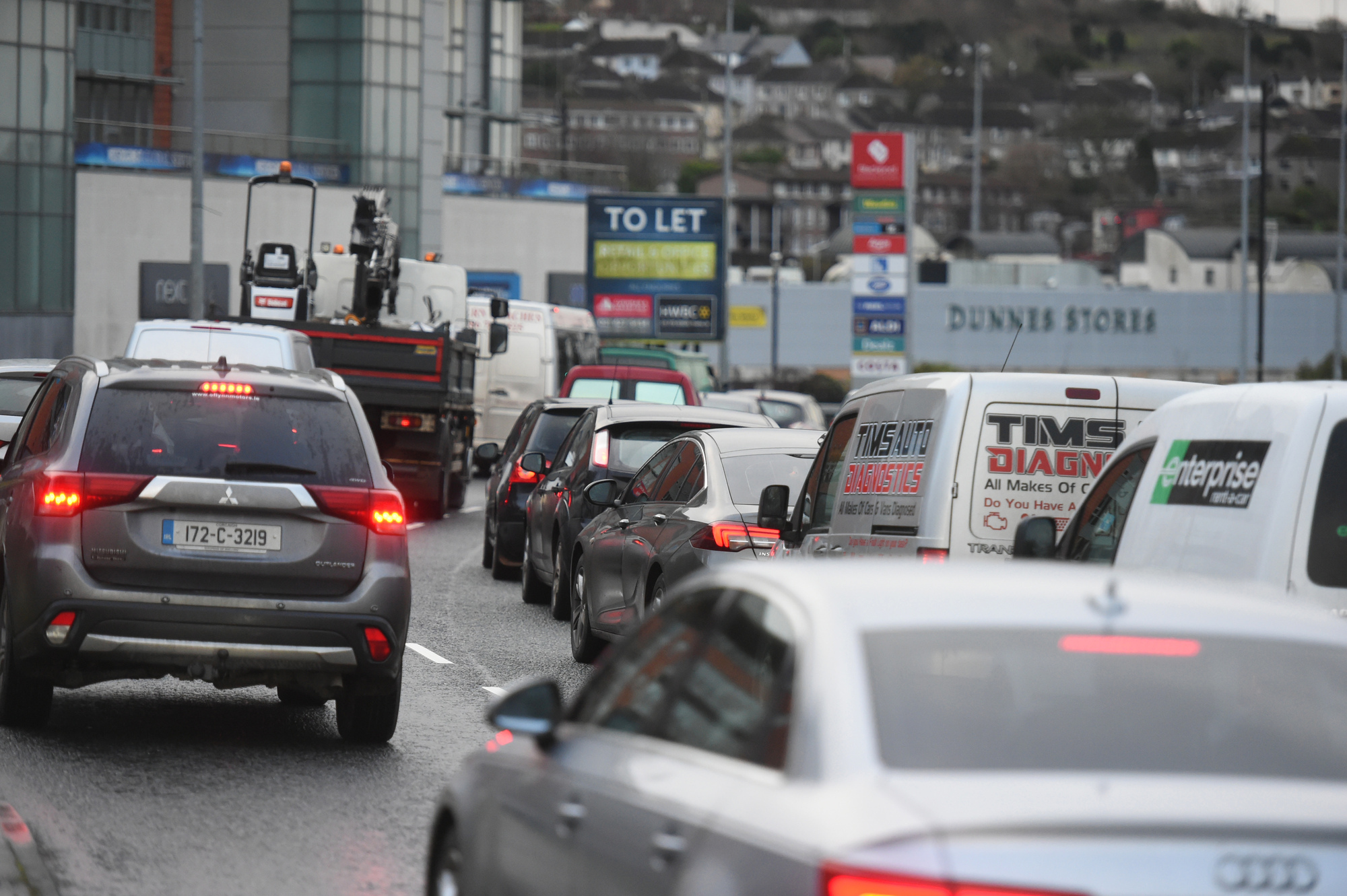
Halving emissions from transport will be a significant challenge and will require multiple interventions. File picture: Larry Cummins
Under the Climate Act 2021, Ireland has committed to a legally binding target of net-zero greenhouse gas emissions by 2050 and a 51% reduction by 2030.
Last year, the Government signed off on reduction ranges for each sector and the exact targets are now being hammered out.
The Government has divided the reduction targets into six sectors:
Speeding up the rollout of renewable energy, particularly in the areas of offshore wind, solar power, and micro-generation is a core element of bringing down energy emissions.
Increasing the level of electricity generated using renewable energy by 2030 is one of the key measures in the plan. This will include an increased target of five gigawatts from offshore wind, and a mix of 8gw from onshore wind and 1.5gw-2.5gw from solar PV.
Halving emissions from transport will be a significant challenge and will require multiple interventions. The plan aims to see people make 500,000 extra walking, cycling, and public transport journeys per day by 2030 through investment in public transport as well as dedicated walking and cycle lanes. Around 1,500 electric buses will be rolled out to improve rural links.
From next year, all new vehicles purchased by the State will be BEVs (battery electric vehicles), unless there is no viable electric option. By 2030, it is hoped there will be 1m private electric vehicles on our roads.
The Government has promised to retrofit 500,000 homes by 2030. Some 400,000 heat pumps will be fitted in existing homes and a further 250,000-280,000 in new homes.
Retrofitting grants will make home upgrades more affordable, and the Government also intends to expand the capacity of the industry through the training of more skilled workers.
A more unusual measure is the introduction of district heating, already common in European cities such as Copenhagen and Stockholm. District heating systems provide hot water and home heating using a network of insulated underground pipelines which connect up to large central plants. The usage is then metered at each building.
By 2030, 80% of energy needs for cement production will come from alternative fuels and waste recovery. It is also hoped that 50%-60% of the total fuel demand across industry will be met by carbon-neutral heating. The public sector will be expected to lead by example and halve emissions by 2030. Green Teams will be established in every public sector body.
The most controversial targets relate to agriculture, with farmers stating that anything more than a 22% cut will not be achievable. The plan sets out a reduction in chemical nitrogen and more targeted use of fertiliser as well as alternative greener income streams for farmers.
A significant rewetting of our peatlands and more efficient grassland management to reduce emissions form part of this section of the plan, which will undoubtedly have an impact on agriculture. By 2030, the Government hopes to achieve a forestry planting rate of 8,000 hectares per year, at the same time deforestation rates will be limited to less than 900 ha/year.
CLIMATE & SUSTAINABILITY HUB