Junior Cycle sex education curriculum to include consent in first revamp for 20 years
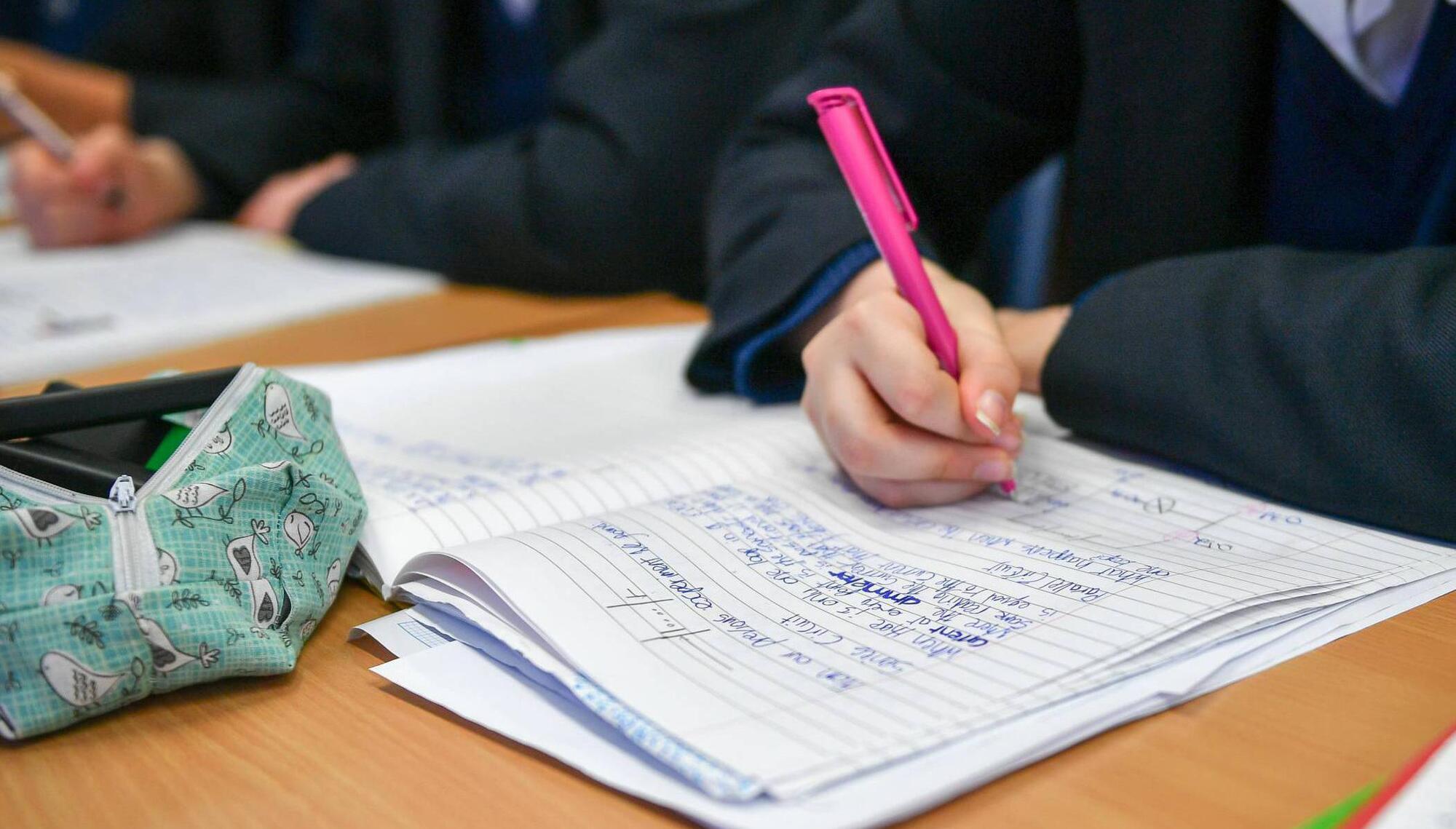
The second-level subject includes RSE as one of four strands of the proposed curriculum, along with "understanding myself and others; making healthy choices; and emotional wellbeing". Public consultation will run for the next three months and is open to anyone to make a submission.
Junior Cycle students should be able to identify unhealthy relationships, appreciate the importance of consent and explain the importance of “safer sexual activity” under the proposed revamp of sex education.
Gender stereotyping, well-being, relationships, online pornography, and the sharing of sexual images as well as the importance of giving and receiving consent in a sexual relationship are all topics included as part of the proposed updates published on Monday.
Public consultation is now open for the draft specification of Junior Cycle Social, Personal, and Health Education (SPHE).
The second-level subject includes RSE as one of four strands of the proposed curriculum, along with "understanding myself and others; making healthy choices; and emotional wellbeing". Public consultation will run for the next three months and is open to anyone to make a submission.
Norma Foley, the Minister for Education, pledged that funding will be provided to ensure that teachers are appropriately equipped to teach the updated curriculum. The current syllabus is more than 20 years old.
"I'm also rolling out postgraduate studies, all costs of which will be covered by the department so that our staff has the skills and competencies to teach this information, and to impart this information."
“There will be a focus on discussing how to share personal information or opinions, emotions and you know, in a safe, respectful manner online to examine the risks and consequences of sharing sexual images online, and specifically, looking at issues of pornography [and] the objectification of women.”
Speaking on RTÉ radio’s Morning Ireland, Ms Foley said she “fully acknowledged” that more work needs to be done in the area of gender identity. Students need to feel included and safe and the RSE programme has a role to play to provide a voice for students, she added.
An updated curriculum is essential in a rapidly changing social, cultural and sexual landscape where sexual violence remains a threat to young people, according to Rape Crisis Network Ireland (RCNI).
RCNI research has shown that Irish adolescents are experiencing high levels of sexual harassment and that for girls in particular sexual harassment and violence is “normalised, denied and minimised," said Cliona Saidlear, executive director of RCNI.
“We are all stakeholders in this process and it is of vital importance to all of us that, as they prepare to enter their adolescence and adulthood, our children are equipped with accurate information on sex and biology, empowered by robust guidance on healthy versus abusive relationships and protected from damaging social and cultural norms around gender and sexuality.”
The Children’s Rights Alliance also welcomed the move, describing it as an “important milestone when it comes to the social and emotional development of young people in Ireland.”
CONNECT WITH US TODAY



Be the first to know the latest news and updates