NI protocol bill ‘a new low point’ for Britain, says Taoiseach
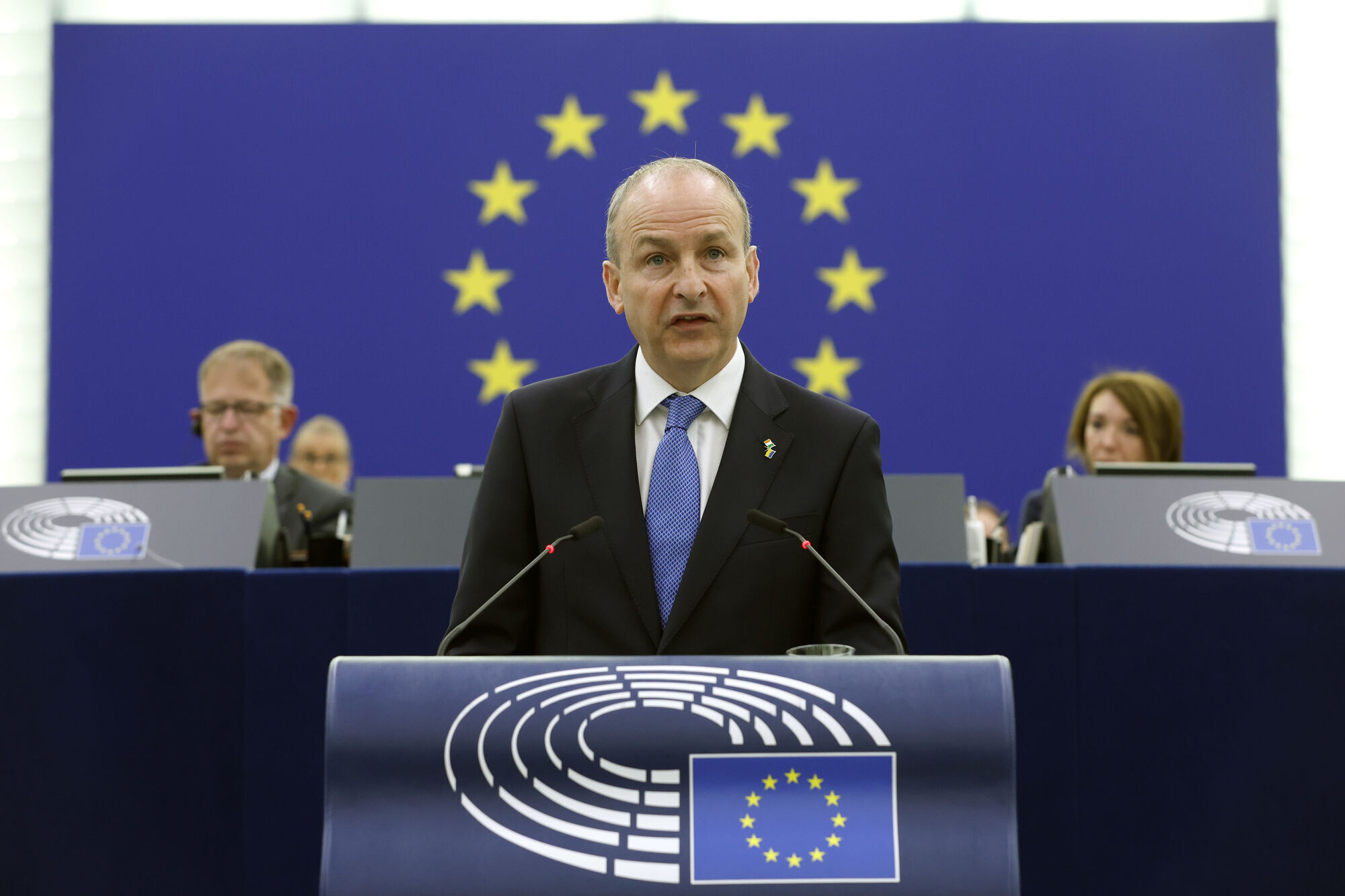
“For a country like the United Kingdom to renege on an international treaty does represent a new low point,” Taoiseach Micheál Martin said. Picture: AP Photo/Jean-Francois Badias)
The UK has reached "a new low point" in publishing a bill which allows it to ignore major parts of the Northern Ireland protocol, the Taoiseach has said.
Micheál Martin joined a chorus of international condemnation of the publication of the bill by UK Foreign Secretary Liz Truss which allows the UK to unilaterally ignore much of the protocol, that it initially agreed to. This includes the ability to bypass the European Court of Justice (ECJ) in disputed matters, sparking fears of a trade war as the EU is forced to retaliate.
The bill will remove the jurisdiction of the ECJ in terms of domestic law operations and protocols, meaning disputes can be addressed and settled by UK courts.
The bill includes a mechanism whereby matters can be referred to ECJ for an opinion, however.
The European Union could take legal action against the UK as soon as Wednesday in response to the bill.
Vice-President of the EU Commission Maroš Šefčovič said any renegotiation would simply bring further legal uncertainty for people and businesses in Northern Ireland.
"For these reasons, the European Union will not renegotiate the Protocol," he said last night.
Mr Šefčovič confirmed the commission would now look at restarting "infringement proceedings" against the UK which have been on hold since September 2021.
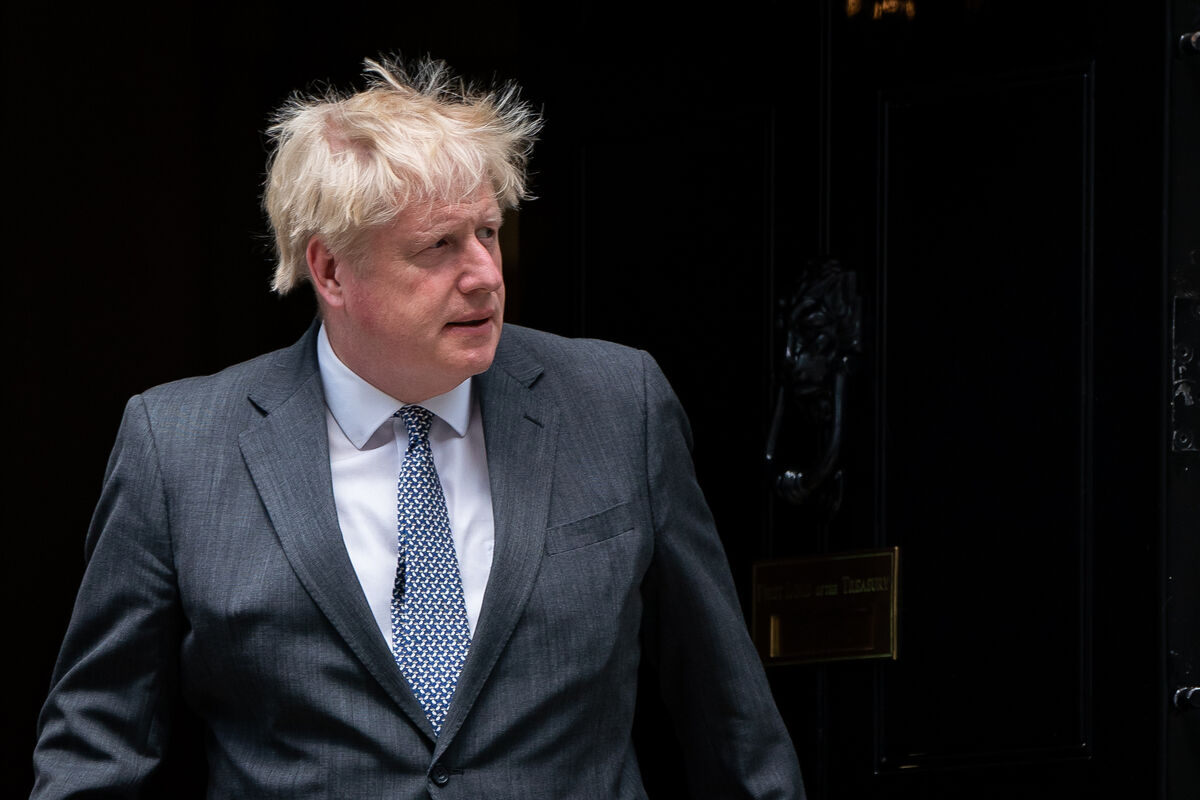
Many experts, along with the Irish government, say the new bill would amount to a breach of international law. UK Prime Minister Boris Johnson has tried to downplay the bill, claiming it contained a “relatively trivial set of adjustments” and "not a big deal", while Ms Truss insists it is lawful.
Taoiseach Micheál Martin was critical of the move.
“For a country like the United Kingdom to renege on an international treaty does represent a new low point,” Mr Martin said.
“It’s very regrettable. The natural expectation for democratic countries like ourselves, the United Kingdom and across Europe is that we honour international agreements that we enter into.
“And this agreement was ratified by the British parliament, it was approved by the British Prime Minister.
Sinn Féin President Mary Lou McDonald called the legislation an "astonishing act by any British government and by any standards and more importantly, it reflects again that this government, Boris Johnson's government, has no regard for Ireland."
The bill will establish a "green lane" so trusted traders can move goods from Great Britain to Northern Ireland without checks, as long as the products remain within the UK.
Firms outside the trusted trader scheme, or products destined for Ireland and the EU, will face checks in a red lane.
There is no sunset clause in the legislation but there are provisions that ensure that as circumstances change, there is the potential to adapt the laws. In discussions between October and March, the negotiating teams in Brussels and London held more than 300 hours of official and ministerial discussions to no avail.
Minister for Foreign Affairs Simon Coveney said it was strange to move ahead with unilateral action and domestic legislation, and claim that the British government had been negotiating in good faith for 18 months when there has been "no negotiation since the 11th of February".
“The negotiating teams haven't measured any kind of a serious way since then, despite the fact that the EU has been looking for engagement since February," he said.
Mr Coveney said the EU's response would be "incremental".
"If the British government continues to take this legislation through Parliament and successfully turns it into law, then I think the EU will be forced to act to protect a member state, effectively, Ireland from the consequences of a breach of an international treaty, which has significant consequences for Ireland in terms of our own place in the EU single market.”
CONNECT WITH US TODAY



Be the first to know the latest news and updates