Q&A: What is happening with the Northern Ireland Protocol?
The British government has published new legislation which would override key elements of the Northern Ireland Protocol, an international treaty they negotiated and signed to deal with the fallout of Brexit.
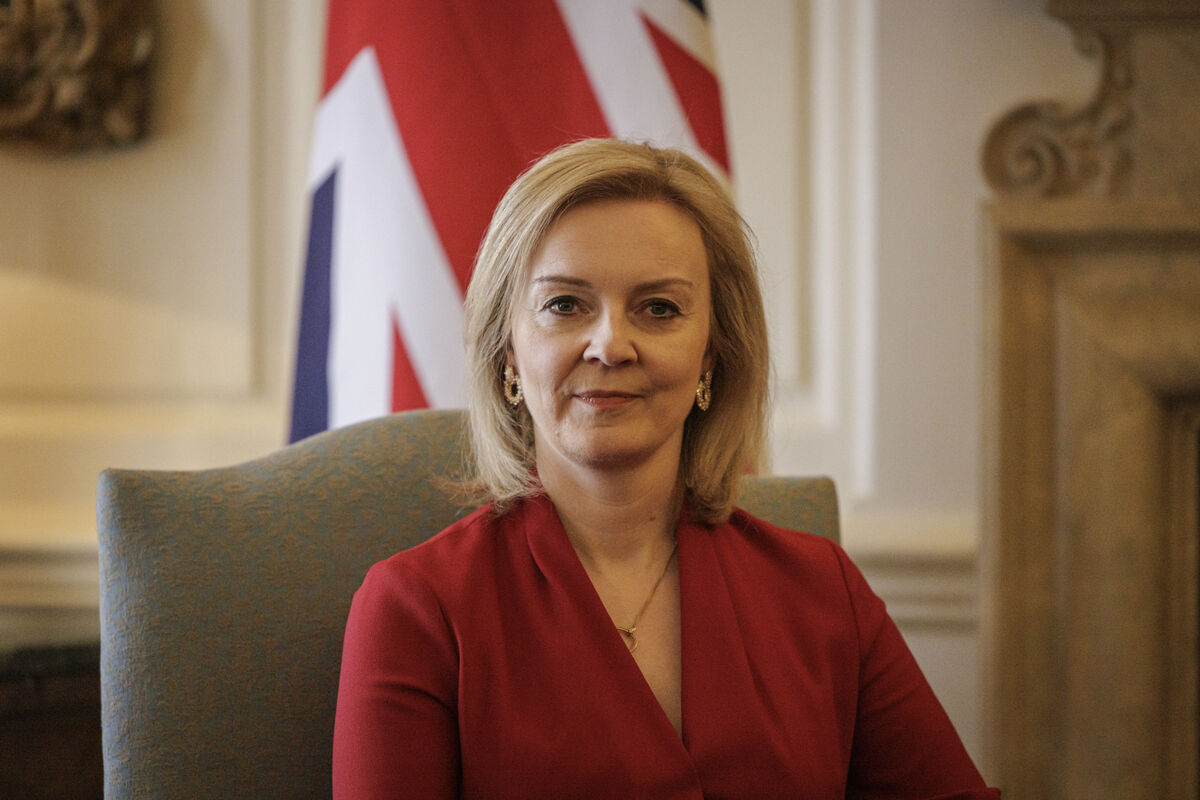
The new legislation tabled by Foreign Secretary Liz Truss enables the government to bring forward four key factors overriding the international treaty.
- Green and red channels which, they say, will remove unnecessary costs and paperwork for businesses trading within the UK, while ensuring full checks are done for goods entering the EU.
- Businesses to have the choice of placing goods on the market in Northern Ireland according to either UK or EU goods rules, to ensure that Northern Ireland consumers are not prevented from buying UK standard goods, including as UK and EU regulations diverge over time.
- Ensure NI can benefit from the same tax breaks and spending policies as the rest of the UK, including VAT cuts on energy-saving materials and Covid recovery loans.
- Change arrangements so that disputes are resolved by independent arbitration and not by the European Court of Justice.
The British government claims the changes are designed to protect all three strands of the Good Friday Agreement, including North-South cooperation, and support stability and power-sharing in Northern Ireland.
Northern Ireland is in a tricky position within Brexit, due to the fact it shares a land border with an EU member state, Ireland. Goods travelling from non EU-member states are subject to different customs regimes and checks.
These checks are carried out in England, as part of the Good Friday Agreement safeguards that there can be no hard border placed on the island.
This has upset some unionist communities and politicians who feel there has been a border put in the Irish Sea and removes them from the mainland.
In a word, no.
The majority of business groups in Northern Ireland, as well as the majority of elected MLAs in Stormont, the Irish government, the EU, most of the British opposition parties, and some Conservative parties MPs, are against it.
The situation in Northern Ireland is being used as a reason behind the legislation with the British believing the Stormont stalemate needs to be fixed urgently as the DUP refuses to nominate a deputy first minister while issues with the protocol remain, meaning Stormont cannot sit.
The British government says the legislation is necessary and lawful and consistent with obligations in international law, however, this is likely to be challenged in court.
The EU believes the UK is breaking international law and will have to retaliate to protect a member state, which has sparked fears of a trade war.
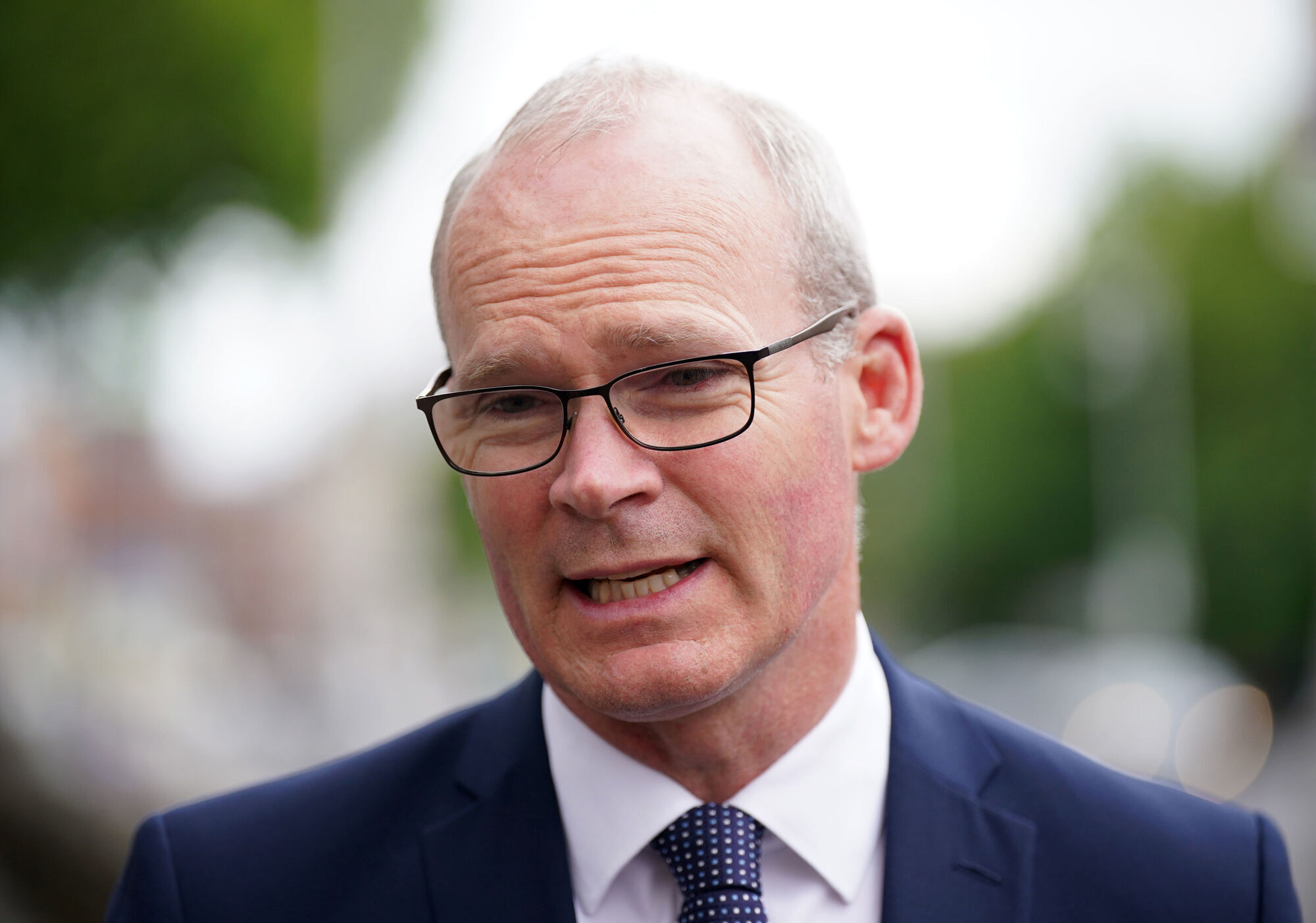
Simon Coveney said there would be: “a very clear warning that if the British government continues to take this legislation through Parliament and successfully turns it into law, but then I think the EU will be forced to act to protect a member state, effectively, Ireland from the consequences of a breach of an international treaty, which has significant consequences for Ireland in terms of our own place in the EU single market.”
Boris Johnson has a majority in the British government however, experts have speculated it could take months due to the opposition to the bill among the Houses of Parliament in Westminster.

CONNECT WITH US TODAY



Be the first to know the latest news and updates