Parents set to save hundreds of euro per month on childcare

Parents are paying an average of nearly €800 per month per child for childcare. Picture: iStock
Parents will see monthly childcare costs cut by hundreds of euro under cost-of-living plans being drawn up for the budget.
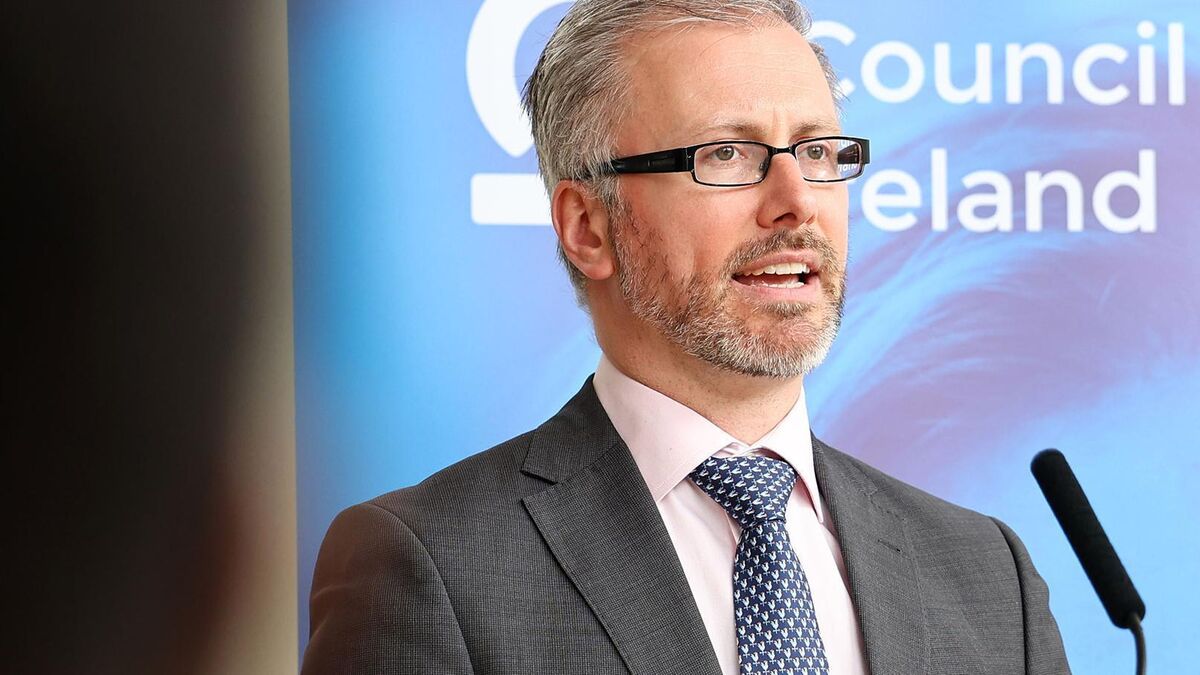
Roderic O’Gorman, the children’s minister, is finalising proposals to significantly reduce creche fees and increase pay rates for those working in the sector.
A major package to address soaring inflation is being developed by several government departments and is expected to include a reduction in third-level fees, as well as measures to bring down the cost of healthcare and public transport.
Making childcare more affordable for families is a key priority for the Coalition and the big focus will be on the national childcare scheme (NCS), which provides financial support to parents.
“Our aim in this year’s budget is to substantially cut the cost of childcare for all parents,” Mr O’Gorman told the .
"We are acutely aware of the expense for parents, particularly if parents have more than one child in childcare. So this will be a very significant measure to cut the cost of living for families."
Parents are paying an average of nearly €800 per month per child for childcare.
The annual early years sector profile report published last month found the average weekly fee per child for full-day childcare is €186.84.
However, the fees charged vary significantly depending on the location and type of service, with care for children under the age of one more expensive, while parents in urban areas are hit with higher fees.
Mr O’Gorman would not give away the exact details of the cut to costs, but it’s understood that monthly fees will go down by hundreds of euro.
“I don’t think a €50 cut would be substantial,” he said.
"There is broad agreement across the three parties on the need to substantially cut the cost of childcare for parents in this year’s budget.
“My officials have been working on proposals and we’ll be bringing those to Minister Michael McGrath and we will be engaging further with the Department of Public Expenditure and Reform.”
NCS provides financial support to parents of children over six months old through a universal subsidy and a means-tested subsidy.
However, Mr O’Gorman said hikes in fees charged by childcare providers had effectively cancelled out this financial support in previous years.
He said last year’s budget had focused on funding for providers, but the introduction of a freeze in fees, due to come into force this autumn, is “the first step” in making childcare more affordable for parents.
“The fee freeze for this September will mean that when we secure this package in Budget 2023, of a very significant investment in the NCS, that’s the direct subsidy parents receive to reduce the cost of childcare,” Mr O’Gorman said.
“It will mean a reduction, as opposed to the past — when the NCS was introduced, childcare fees ended up going up and it eroded away any increase [seen] in the subsidy.
"Now that we have the fee freeze, parents will actually feel the benefit of the significantly enhanced NCS payments that we are looking to secure in this year’s budget."
Mr O’Gorman said work was already under way to increase the wages of those working in the childcare sector to help retain staff and make it a more attractive career option.
“We made the call that last year we would support services with core funding — remember core funding is achieving better pay for childcare professionals.
“We know that workforce of 30,000, almost all women, has always been very poorly paid in this country,” he said.
A joint labour committee process is due to set out a wage rate for the entire sector, with entry pay expected to be set at around €13 per hour.
The process is also expected to contain proposals for higher wage rates linked to responsibility and qualifications.
CONNECT WITH US TODAY



Be the first to know the latest news and updates