Smallpox vaccines already 85% effective against monkeypox
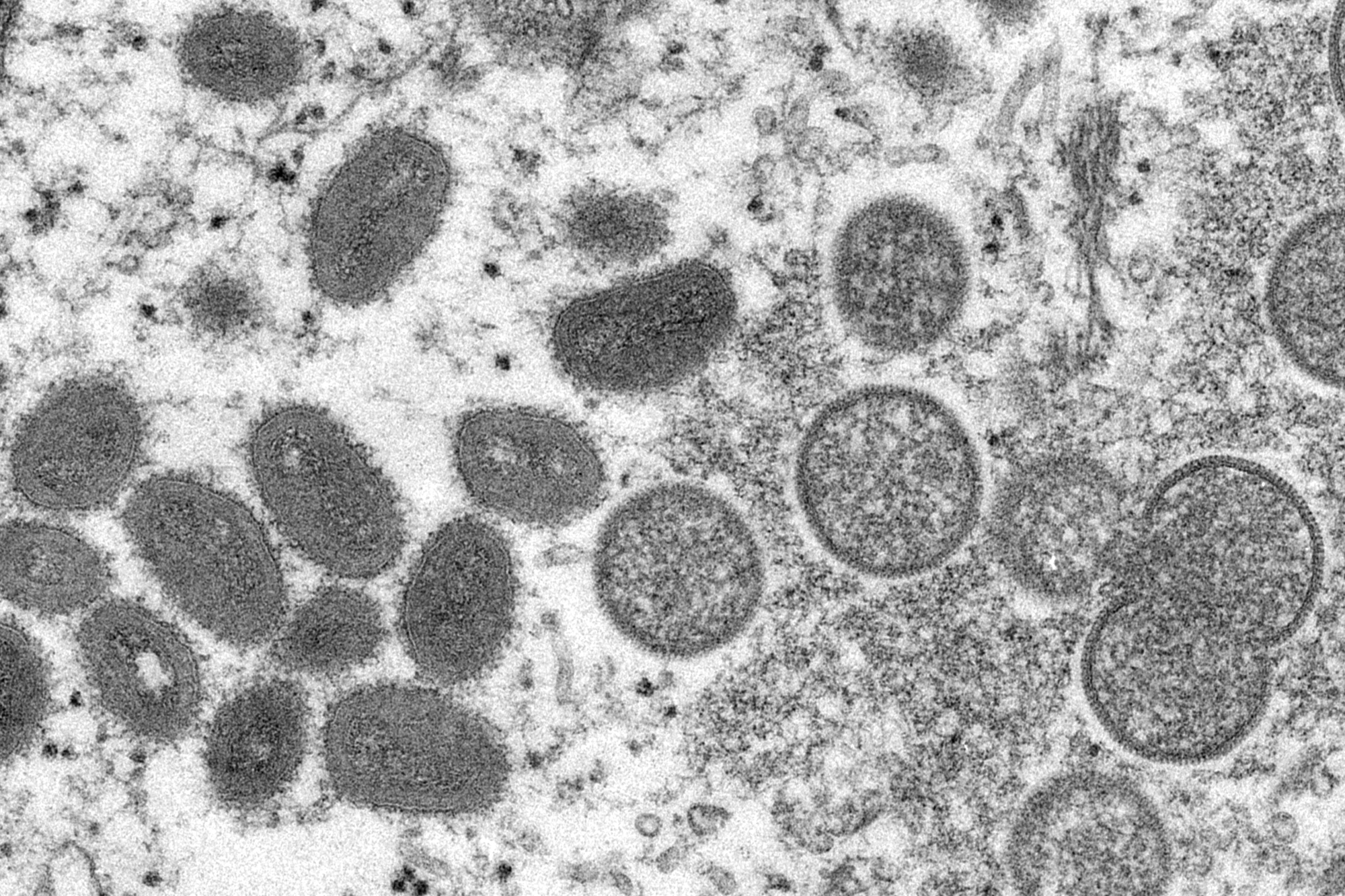
The WHO says there are less than 200 confirmed or suspected cases of monkeypox so far in 16 countries, with Denmark the latest to confirm a case. Picture: AP
Vaccines developed against smallpox are already 85% effective against monkeypox, the World Health Organisation has said, as authorities look to tackle outbreaks of the virus.
The WHO says there are less than 200 confirmed or suspected cases of monkeypox so far in 16 countries, with Denmark the latest to confirm a case.
The virus has been found in other European countries and America, while Argentina has reported further suspected cases.
WHO's head of the smallpox secretariat Dr Rosamund Lewis said scientists continued working on smallpox vaccines even though the disease was eradicated by 1980.
“It was observed that smallpox vaccines used were protective against monkeypox about 85% of the time,” she said.
“You will know that 85% is not perfect, but it is also not terrible.
These vaccines are not yet widely available commercially, she said, although some national health ministries have them.
She described monkeypox symptoms as including a rash developing into visible blisters around the eyes, mouth, and other areas, along with swollen lymph nodes.
The WHO briefing also heard that anti-virals and other treatments for monkeypox are in short supply globally.
Emerging diseases and zoonoses lead Dr Maria Van Kerkhove said available products need to be used appropriately.
“We will be making recommendations on who should be prioritised for this,” she said.
“This is not something that everybody needs.
The WHO said monkeypox is transmitted by close contact with lesions, body fluids, respiratory droplets, and contaminated materials such as bedclothes.
Strategies adviser at the WHO Department of Global HIV, Hepatitis, and STI Programmes, Andy Seale discussed concerns around possible discrimination or stigma linked to this disease.
He warned against using images only of dark-skinned people in media stories about the virus.
In relation to men who have sex with men, he said: “This demographic is generally a demographic that really does take care of health screening when it comes to potential sexually-transmitted infections. The fact they are being proactive about responding to unusual symptoms might be part of the story.”

In Ireland, the chair of the HSE Monkeypox Incident Management Team, Dr Derval Igoe, said there are no cases in Ireland so far. She said the outbreaks in Europe are different to previous outbreaks in developing countries in that they do not have links to each other, and the symptoms appear different to those usually found.
“This is new, the fact there are no links to previous cases,” she said.
“It is possible that we may see some cases in Ireland.”
She said most people affected recover without medical intervention.