Thousands of victims left waiting for justice as 34,000 bench warrants outstanding
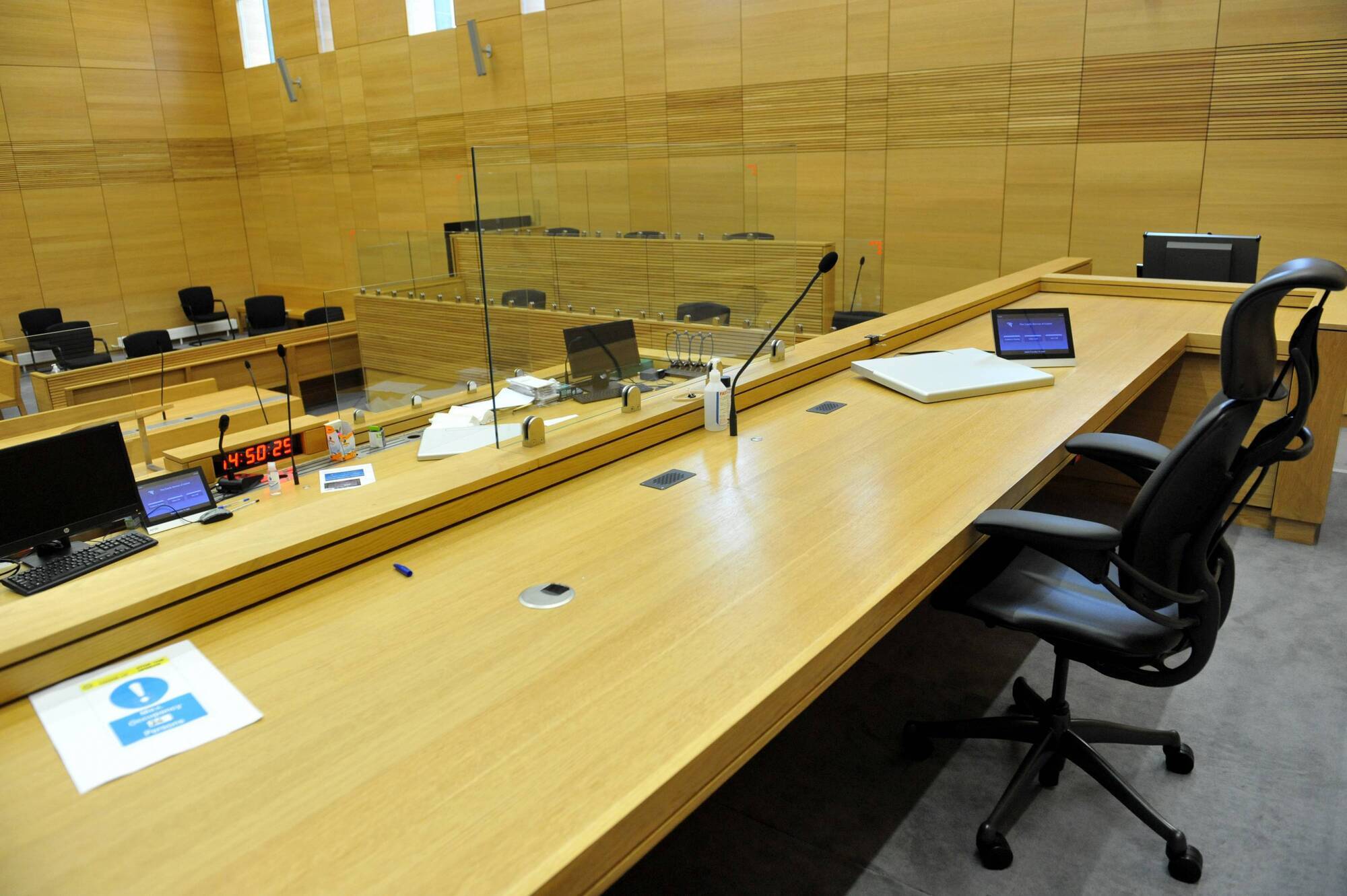
A bench warrant is issued by a judge when a person fails to turn up to court and allows gardaí to arrest the suspect on sight. Picture: Larry Cummins
Thousands of victims of crime have been left waiting for justice because perpetrators failed to turn up to court and have not been tracked down in over a year.
More than 24,000 bench warrants have been outstanding for over a year, with the longest unfulfilled warrant dating back to 1968.
The warrants, issued by a judge when a person fails to turn up to court, allow gardaí to arrest the suspect on sight.
Many of the alleged perpetrators were due before the courts for assault, threatening behaviour, theft, fraud, as well as road traffic offences.
The fact thousands of people have evaded gardaí has raised concerns that the bench warrant process is ineffective and leaves victims unable to find closure.
In Cork City, there are 1,037 outstanding bench warrants, with 560 of these older than a year. The longest outstanding bench warrant in Cork dates back to 1999.
Michele Puckhaber, executive director of the Crime Victims Helpline, said her organisation hears from victims of all sorts of crimes who have never found justice.
“The impact it can have is huge,” she said.
“It could be a minor assault being heard in a district court — things like that can be very difficult for victims.
Across Ireland, there are 34,277 outstanding bench warrants, according to the latest figures.
Of these, 26,874 are older than six months and 24,618 are outstanding for over a year.
Across Garda divisions, there were 321 warrants outstanding in Cork North and a further 190 in Cork West. Again, about half of these are older than 12 months.
The highest number of bench warrants outstanding nationally is the Dublin Metropolitan Region West division, with 6,076. This is followed by Dublin North Central (5,515) and North (4,565). A high proportion of the warrants in Dublin are older than 12 months.
Dublin North Central’s oldest bench warrant dates back to Valentine’s Day in 1968.
Justice Minister Helen McEntee, who gave the figures via parliamentary question, said the execution of warrants is a “long-standing issue”.
She said people often evade detection in circumstances where there is limited identification information available to gardaí.
“These difficulties are compounded where the warrant has been outstanding for some years," she said.
Ms McEntee said gardaí give priority to the execution of warrants relating to serious crimes.
She added that the latest figures, obtained from the Garda Pulse system, may not be a reliable indicator of the number of “live” warrants which are actually enforceable, given their accumulation over the years.
Sinn Féin justice spokesperson Martin Kenny agreed that Pulse data can be unreliable but said an integrated system, where information is shared across State agencies, would help detect those evading such warrants.
“The general public may have an impression that the State is like Big Brother, with all computer systems linked together and monitoring us,” he said.
“But it’s not true. Unless an individual is caught for something else, they may get away with it. If they keep their nose clean, they can go years without it cropping up.”
Mr Kenny said there was a significant issue with the inability of the Garda Pulse computer system to link up with other State systems that may assist in tracking down suspected offenders.
“There is a proposal under way for Pulse to be phased out, and a new system brought in,” he said.
“That needs to happen as soon as possible.”
CONNECT WITH US TODAY



Be the first to know the latest news and updates